Singapore and Japan Team Develops Cyborg Cockroach Diving Suit, Enabling Underwater Breathing for 3 Hours
en.Wedoany.com Reported - A joint research team from Nanyang Technological University, Singapore and Waseda University published a paper in *Nature Communications* titled "Underwater Suit-Wearing Cyborg Insect Capable of Hours-Long Diving and Terra-Aqua Travel," developing a wearable mini diving suit for the terrestrial insect "Madagascar cockroach," enabling the cyborg insect to continuously breathe underwater for several hours and move amphibiously.
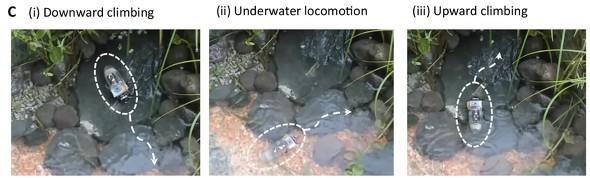
Cyborg insects combine living insects with electronic components, utilizing the insect's own muscles for locomotion with low battery consumption, and are expected to be used in scenarios such as search and rescue in rubble crevices or pipeline inspections where humans cannot enter. However, previous cyborg insects could only operate on land and could not enter puddles or flooded areas. The research team designed a diving suit that requires no electricity and self-supplies oxygen to address this weakness.
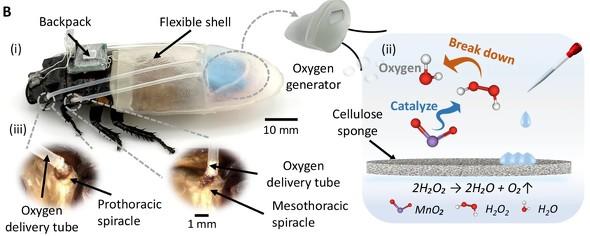
The diving suit consists of three parts: a soft waterproof shell covering the insect's abdomen and serving as an oxygen storage tank; a small device that continuously generates oxygen through a chemical reaction between hydrogen peroxide and manganese dioxide; and a tube that delivers oxygen directly to the insect's thoracic spiracles.
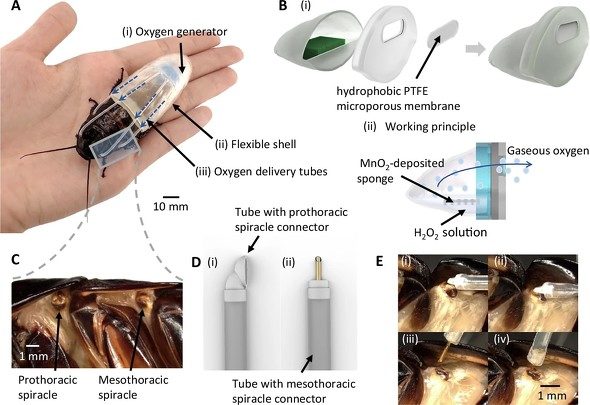
The device generates oxygen through a chemical reaction that requires no electricity and uses a special filter that allows air to pass but not water, preventing water and chemical leakage, enabling continuous underwater breathing. In experiments, the cyborg cockroach wearing the diving suit breathed normally and moved around underwater for up to 3 hours, and could respond to commands controlled by external electrical signals (such as moving forward and turning).
To simulate harsh field conditions, the team conducted tunnel tests that sequentially passed through areas filled with carbon dioxide and flooded zones. Ordinary individuals quickly became immobile, while those wearing the diving suit successfully passed through due to the oxygen supply.
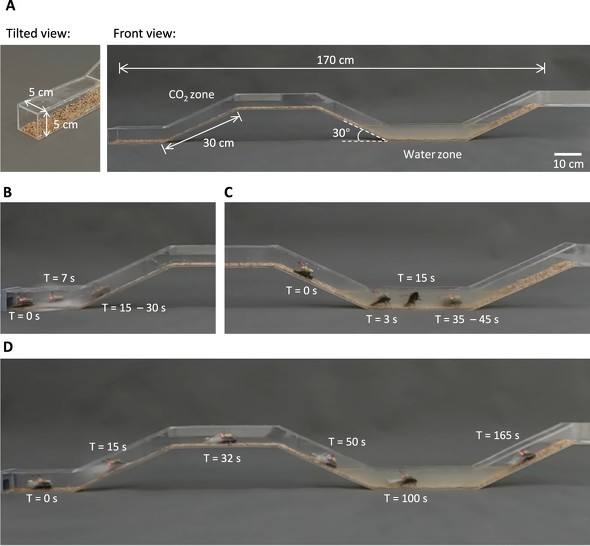
Furthermore, by embedding the control components inside the cockroach's body to eliminate the dorsal bulge, the cyborg cockroach could pass through extremely narrow underwater gaps as low as 2 centimeters in height.
Related Products


LBH4000 Batch Environmental Protection Asphalt Mixing Plant | Asphalt Batching Plant | Asphalt Mixing Plant
Jilin Province Road Construction Machinery Co., Ltd.

Standard Nozzle Flowmeter
Jinggong Automatic Control Instrument Complete Technology Development Company
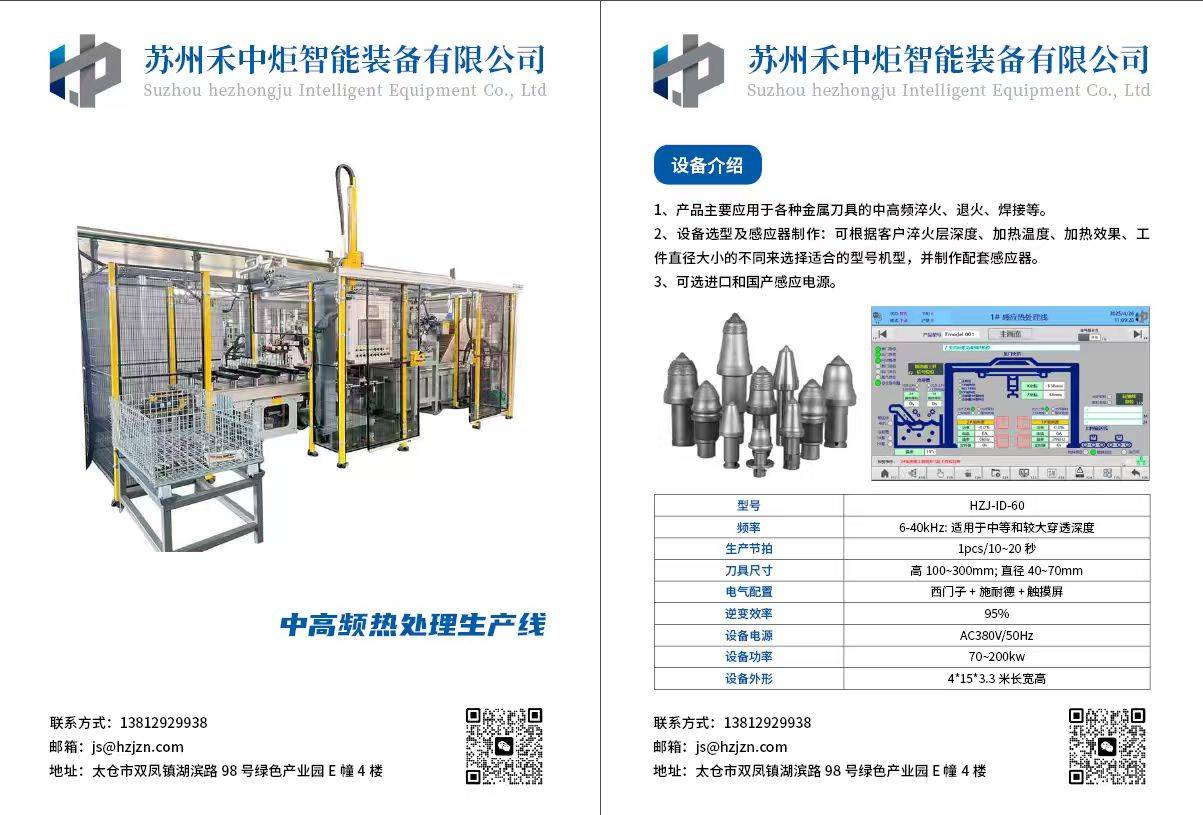
Excavator Bucket Teeth Heat Treatment Production Line
Suzhou Hezhongju Intelligent Equipment Co., Ltd.
Industrial and Commercial Point-Type Gas Detector
Jinan Benan Technology Development Co., Ltd.