Global Data Center Liquid Cooling Manifold Market Expected to Reach $6.33 Billion by 2033
en.Wedoany.com Reported - The global data center liquid cooling manifold market is projected to grow from $940 million in 2026 to $6.33 billion by 2033, at a compound annual growth rate (CAGR) of 31.2%. This growth is primarily driven by the demand for high-density computing hardware fueled by the rapid development of artificial intelligence (AI) training clusters, cloud computing services, and high-performance computing (HPC) technologies. Liquid cooling has become the preferred technology due to its superior cooling capabilities compared to air cooling, with manifolds playing a critical role in ensuring the proper distribution of coolant across all racks and servers.
By manifold type, the row-based manifold segment is expected to hold the largest market share during the forecast period; the in-rack manifold segment is projected to grow at the highest CAGR of 33.6%. By cooling technology type, the direct-to-chip segment is expected to record the highest CAGR of 30.8%. By data center type, the hyperscale data center segment is anticipated to achieve the highest growth rate. By material type, stainless steel manifolds are likely to hold the largest market share in 2033, while polymer-based manifolds are expected to witness the fastest growth rate due to their lightweight, corrosion resistance, and manufacturing flexibility. The channel-mounted design type is likely to account for the majority of market share throughout the forecast period. By installation type, the new installation segment is expected to hold a significant share in 2033 and is projected to be the fastest-growing area, driven by the rapid expansion of hyperscale and AI-focused data centers.
North America is expected to record the highest CAGR of 32.3% during the forecast period and hold the largest market share, benefiting from the concentration of hyperscale data center operators such as Amazon Web Services (AWS), Microsoft, Google, Meta, and Oracle in the region, as well as the rapid deployment of AI-driven computing infrastructure. Substantial investments in data center expansion and a focus on energy efficiency and sustainability in the region further accelerate the transition from traditional air cooling to liquid cooling architectures.
Traditional air cooling systems are increasingly inadequate for managing the heat generated by advanced GPUs and AI accelerators. Liquid cooling manifolds help achieve higher performance and energy efficiency by efficiently distributing coolant. Data center operators' pursuit of reduced energy consumption and improved Power Usage Effectiveness (PUE), along with stricter environmental regulations, collectively drive the adoption of liquid cooling technology. The expansion of edge computing and next-generation cloud infrastructure also creates new deployment opportunities.
Leading companies in this market include CoolIT Systems (a subsidiary of Ecolab, Canada), Vertiv (USA), Parker Hannifin (USA), nVent Electric (UK), and GF Industry & Infrastructure (Switzerland). Startups such as VAV International, Global Tech Manufacturing, Miao Tieh Precision Industrial Co., Ltd. (Taiwan), TeraCule (Singapore), and Shenzhen Lori Technology Co., Ltd. (China) are focusing on innovations in modular coolant distribution systems and high-efficiency thermal management solutions.
Related Products


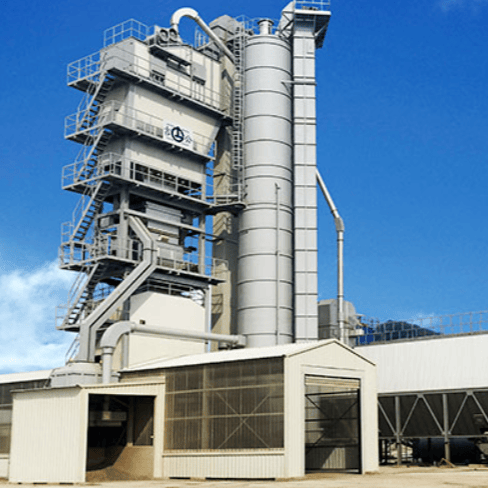
LBH4000 Batch Environmental Protection Asphalt Mixing Plant | Asphalt Batching Plant | Asphalt Mixing Plant
Jilin Province Road Construction Machinery Co., Ltd.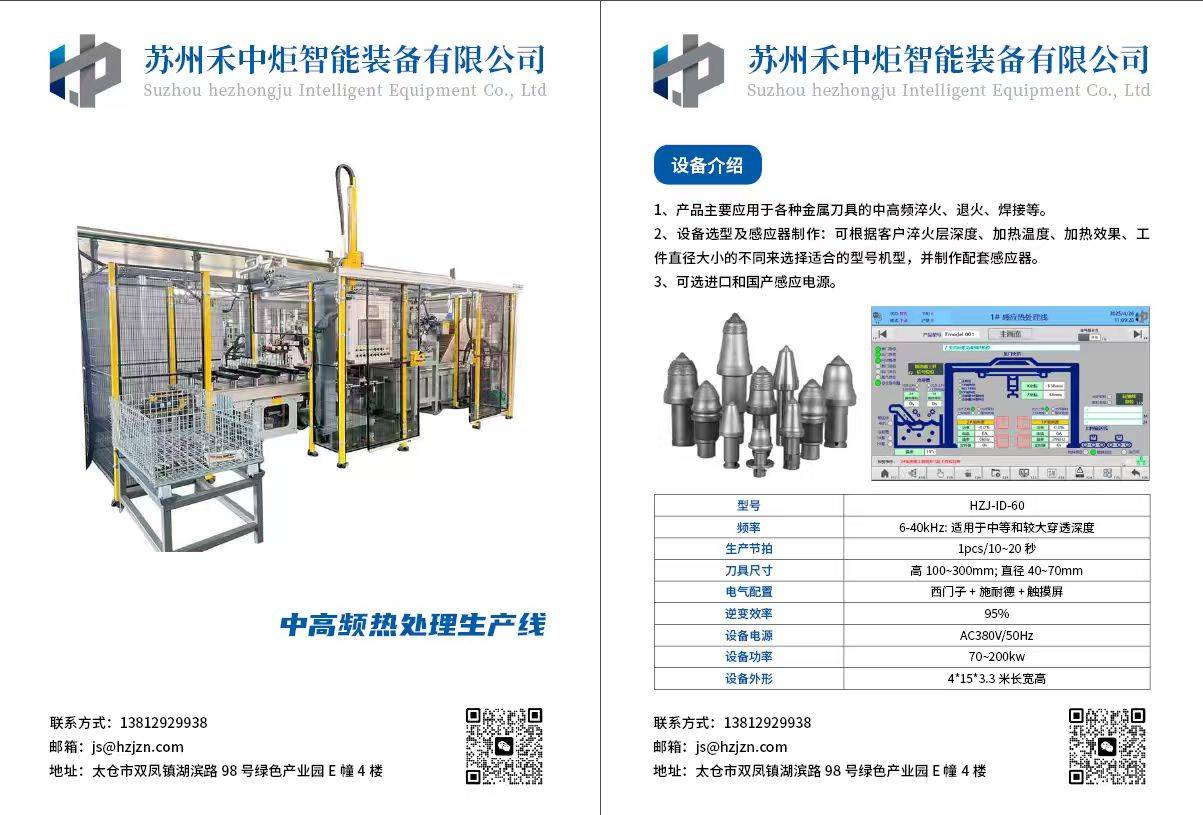
Excavator Bucket Teeth Heat Treatment Production Line
Suzhou Hezhongju Intelligent Equipment Co., Ltd.


Pneumatic high-pressure wear-resistant ball valve
Zhejiang Deca Control Valve Meter Co., Ltd.