Yageo of Taiwan, China, raises prices across entire capacitor series
en.Wedoany.com Reported - Yageo, the leading passive component manufacturer in Taiwan, China, has notified customers that it will raise prices across its entire capacitor solution product line effective July 1, covering multilayer ceramic capacitors (MLCCs), aluminum electrolytic capacitors, tantalum capacitors, polymer aluminum capacitors, film capacitors, and supercapacitors. This marks the broadest price adjustment by Yageo in recent years.
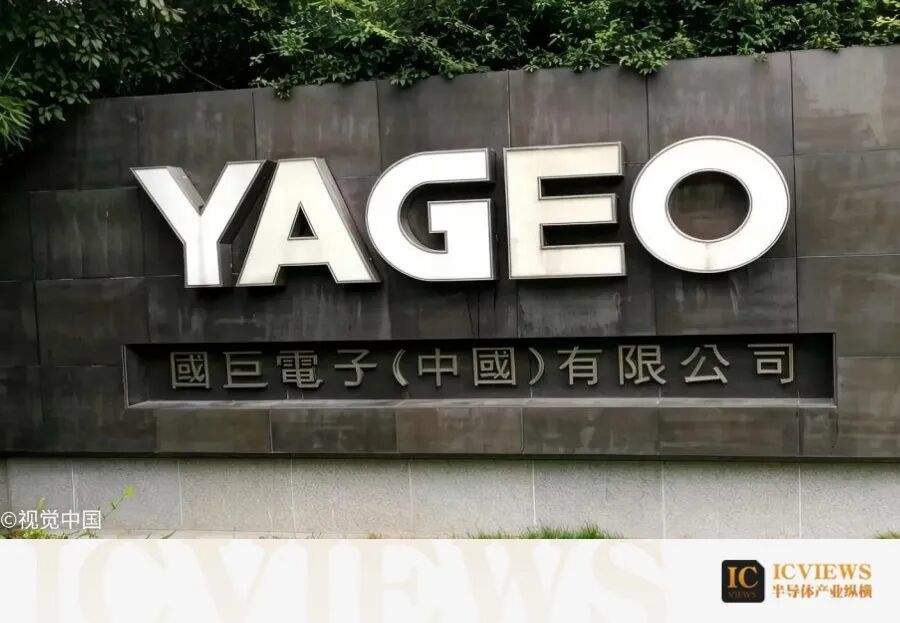
Industry sources indicate that the price adjustment primarily reflects the continuous rise in global manufacturing costs, including heightened geopolitical risks, persistently high energy prices, and elevated prices for key raw materials such as metals and petrochemicals, all of which have placed significant cost pressure on passive component manufacturers. Yageo had previously adopted a strategy of absorbing costs internally, mitigating the impact through process optimization, efficiency improvements, and supply chain integration. However, the recent escalation of tensions in the Middle East and fluctuations in international freight rates have increased supply chain uncertainty, prompting manufacturers to initiate price adjustment mechanisms.
Supply chain analysis shows that Yageo's latest price increase covers a wide range of products. MLCCs are primarily used in AI servers, smartphones, PCs, automotive electronics, and industrial equipment. Tantalum capacitors, known for their high reliability and stability, are widely used in servers, base stations, and aerospace equipment. Aluminum electrolytic capacitors and polymer aluminum capacitors are mainly applied in high-power devices such as power supplies, AI servers, and electric vehicles. Film capacitors are predominantly used in the new energy, industrial control, and automotive markets, while supercapacitors are utilized in energy storage, smart grids, and industrial control applications.
According to data from Yageo's investor conference, tantalum capacitors and MLCCs together account for approximately 43% of total revenue. When including aluminum electrolytic capacitors and solid aluminum capacitors, the supply chain estimates that the products subject to price increases cover 50% of Yageo's revenue. This not only represents a significant revenue share but also provides insight into Yageo's comprehensive capacitor product line. The magnitude of price increases varies by customer, with MLCCs, which are used in the largest quantities in AI server cabinets, being the first product for which Yageo has raised prices for direct customers.
The supply chain notes that Yageo's price adjustments now extend from distributors to direct customers, effectively raising both spot and contract prices simultaneously. Based on Yageo's announced customer breakdown, EMS customers account for 20.4% of revenue and OEM customers for 35%, meaning direct customers collectively represent 55.4% of revenue—Yageo's largest production output channel. Price increases for this customer group will have a tangible impact on boosting the passive component manufacturer's revenue.
With the significant increase in thermal design power (TDP) and power wattage of AI server cabinets, particularly as the Vera Rubin platform ramps up volume in the fourth quarter and adopts an 800V HVDC high-voltage direct current power architecture, passive components play a crucial role in power and voltage stability. As a result, the high-end version of the VR NVL144 alone uses over one million MLCCs, elevating passive components in the bill of materials (BOM) ranking from the lowest position to just behind GPUs and memory.
The supply chain points out that as Murata and Samsung Electro-Mechanics shift production capacity toward higher-priced, high-capacity MLCCs for AI applications—where high-capacity stacking involves 500 to 1,300 layers, compared to 50 to 100 layers for low-capacity versions, consuming more capacity and reducing yields—Japanese and Korean manufacturers are already operating at full capacity. This positions Yageo as the primary beneficiary of MLCC order transfers.
In May this year, Yageo reported revenue of NT$15.058 billion, up 7.3% month-over-month and 47.5% year-over-year, setting a new single-month revenue record. Cumulative revenue for the first five months of the year reached NT$67.263 billion, also a record for the period, up 27.4% year-over-year. Although May was affected by the Golden Week holiday, resulting in fewer working days, demand for AI-related applications remained robust, and both standard and specialty products showed steady growth, with revenue increasing compared to the previous month.
Yageo Chairman Chen Taiming has already indicated that the company will be very busy in the second half of the year, stating that the AI industry is still in the early stages of the second inning. Benefiting from strong demand for AI servers and high-performance computing, Yageo is actively integrating active and passive components with semiconductors, continuously expanding its presence in the automotive and high-end markets, with synergies beginning to emerge.
Yageo CEO and General Manager Wang Danru previously noted that, driven by the surge in AI applications, capacity utilization is at full capacity. Utilization rates for general products have risen from approximately 65% to over 70%, and for specialty products from 75% to over 80%. For AI-related specialty components, some products are even in short supply, reflecting genuinely strong market demand.
Related Products

Strip Coating and Plating Production Line Equipment
MCC-SFRE HEAVY INDUSTRY EQUIPMENT CO., LTD.
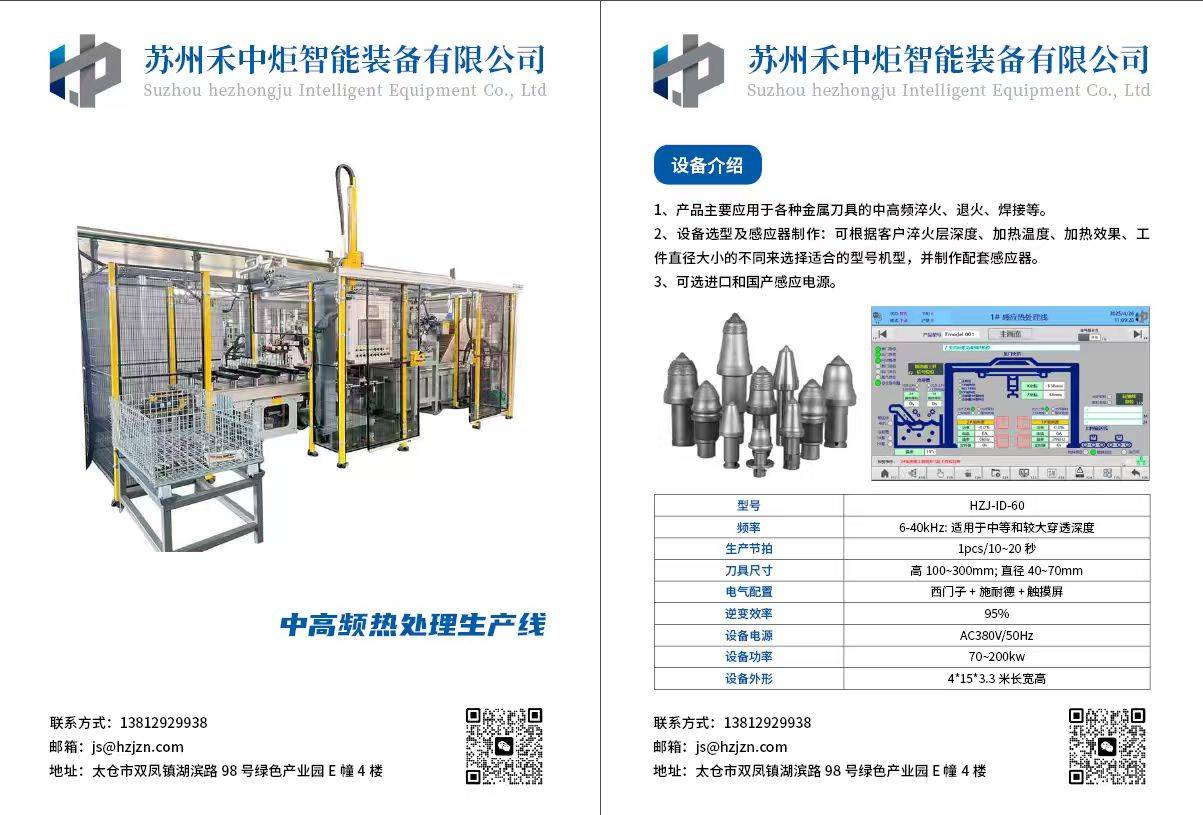
Excavator Bucket Teeth Heat Treatment Production Line
Suzhou Hezhongju Intelligent Equipment Co., Ltd.
Pneumatic high-pressure wear-resistant ball valve
Zhejiang Deca Control Valve Meter Co., Ltd.
Industrial and Commercial Point-Type Gas Detector
Jinan Benan Technology Development Co., Ltd.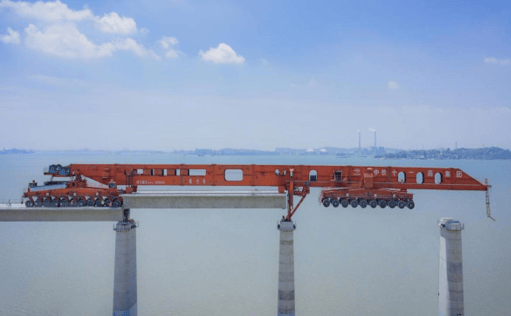
High-Speed Railway Lifting, Transporting, and Erecting Equipment: Integrated Transport and Erection Machine
Hanjiang Heavy Industry Co., Ltd. of China Railway 11th Bureau Group
QLZNGJ Intelligent Steel Reinforcement Trolley
Luoyang China Railway Qiangli Machinery Co., Ltd.
Standard Nozzle Flowmeter
Jinggong Automatic Control Instrument Complete Technology Development Company