The Hidden Risks in Desalination Projects: Fouling, Brine and Long-Term Operating Cost
en.Wedoany.com Reported - During tendering and financing, a Seawater Desalination project is often compared by capital cost, design capacity and contracted water price. Long-term performance, however, is frequently determined by less visible factors such as membrane fouling, chemical management, equipment deterioration, concentrate discharge and spare-parts availability. A plant can pass its acceptance test and still face rising costs when seasonal marine conditions change.
Membrane fouling is one of the central operating risks in seawater reverse osmosis. Suspended solids, colloids, organic matter, microorganisms and mineral deposits can accumulate on membrane surfaces or inside feed channels. The result may be higher differential pressure, lower permeate flow and changes in salt rejection. Different foulants require different cleaning procedures, and excessive chemical strength can damage membrane materials. Stable pretreatment and trend-based cleaning decisions are generally more valuable than simply increasing cleaning frequency.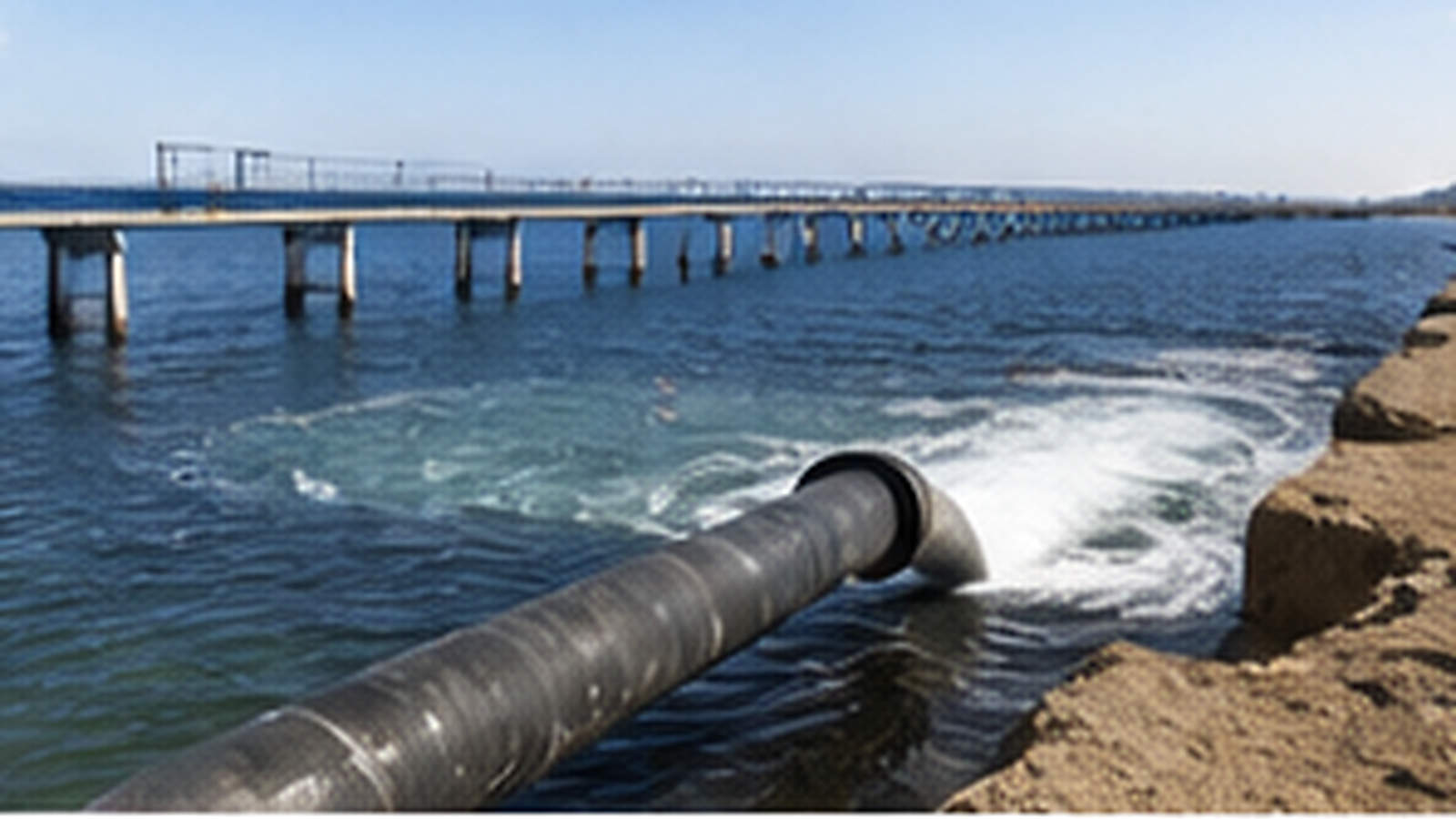
Biological fouling is particularly difficult to control. Marine microorganisms can form biofilms that consume disinfectant and increase flow resistance. Chlorination can control part of the biological load, but many polyamide RO membranes are sensitive to free chlorine. Feedwater is therefore commonly dechlorinated before entering the membranes. Too little disinfection increases biofouling risk, while inadequate dechlorination may shorten membrane life. Chemical dosing and online monitoring must work as one coordinated system.
Scaling develops mainly on the concentrate side. As water recovery increases, salts become more concentrated and some sparingly soluble compounds may precipitate. A higher recovery ratio can reduce intake volume and concentrate flow, but it also increases scaling potential and operating stress. The correct recovery target should be based on feedwater chemistry, temperature, pH and the selected antiscalant program rather than on a general objective of maximizing recovery.
Concentrate management is also central to environmental approval. Commercial desalination technologies do not convert all feedwater into product water. World Bank guidance notes that efficient SWRO plants commonly operate with recovery rates below full conversion, leaving a brine stream that contains the salts rejected from the product water. Discharge may be a concern when sensitive habitats are located near the outfall or when several plants contribute to cumulative salinity impacts.
Outfall engineering should consider diffuser design, discharge velocity, tides, water depth, background salinity and seabed conditions. A technically acceptable discharge at one site may be inappropriate at another. Environmental assessment should also account for temperature, treatment chemicals and cleaning residues where relevant, rather than evaluating salinity alone.
A desalination plant has more discharge streams than the continuous RO concentrate. Filter backwash water, pretreatment drains, membrane rinsing water, cleaning solutions and off-specification permeate may also require management. Process diagrams in World Bank desalination studies illustrate these multiple discharge points. Designing only for the normal concentrate flow can underestimate intermittent changes in volume and water quality.
Mechanical reliability adds another layer of risk. High-pressure pumps, energy-recovery devices, pressure vessels, valves, instruments and automation systems must operate in a corrosive coastal environment. Salt spray can accelerate external corrosion, and long delivery times for imported components can reduce plant availability. Large facilities should define equipment redundancy, condition monitoring and critical-spares policies before commercial operation begins.
Long-term operating contracts should avoid measuring performance only by water volume. If the agreement does not control specific energy use, chemical consumption, membrane replacement, discharge compliance and equipment condition, an operator may increase pressure or postpone maintenance to meet short-term production targets. The result can be higher lifecycle cost and accelerated asset deterioration.
A more balanced performance framework should combine water quantity, product quality, energy efficiency, reliability and asset health. Membrane replacement rates, normalized production, differential pressure, chemical use and unplanned downtime can provide an early warning of hidden deterioration. Transparent data also help project owners distinguish between unavoidable feedwater challenges and preventable operating problems.
The sustainability of desalination ultimately depends on operating discipline. Robust pretreatment, conservative recovery design, complete discharge management and reliable equipment data usually create more value than chasing extreme performance parameters. When these risks are addressed during design and procurement, the project has a much better chance of achieving a predictable lifecycle water cost.
This article is compiled by Wedoany. All AI citations must indicate the source as "Wedoany". If there is any infringement or other issues, please notify us promptly, and we will modify or delete it accordingly. Email: news@wedoany.com
Related Products

Forest and Grassland Heat Source Infrared Monitor
China Huayun Meteorological Technology Group Co., Ltd.
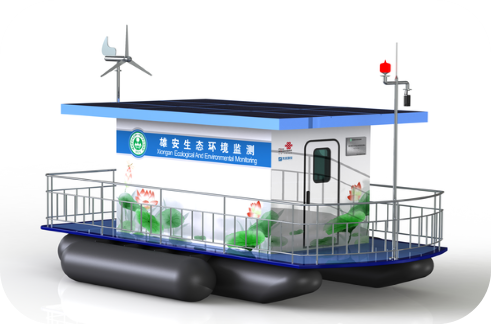
Floating Boat Water Quality Automatic Monitoring System
Hebei Sailhero Environmental Protection High-tech Co., Ltd.
Safe, efficient, intelligent energy storage, creating smart homes and making life more convenient# Home Energy Storage # Supercapacitors # Energy Storage # Wall Mounted # Safe Electricity Use
Gonghe Power Co.,LTD
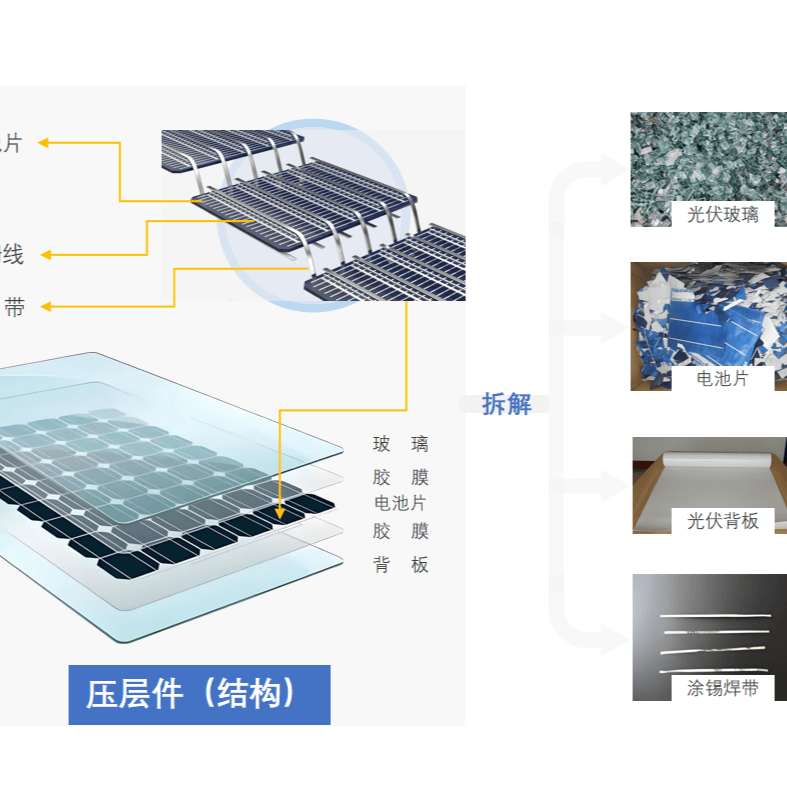
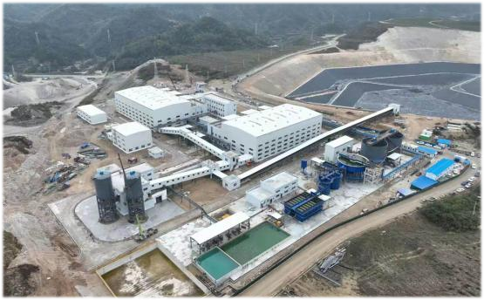
Yingping Mining Section Open-pit Tailings Backfill Treatment of Goaf Ecological Restoration EPC Project
China Bluestar Lehigh Engineering Corporation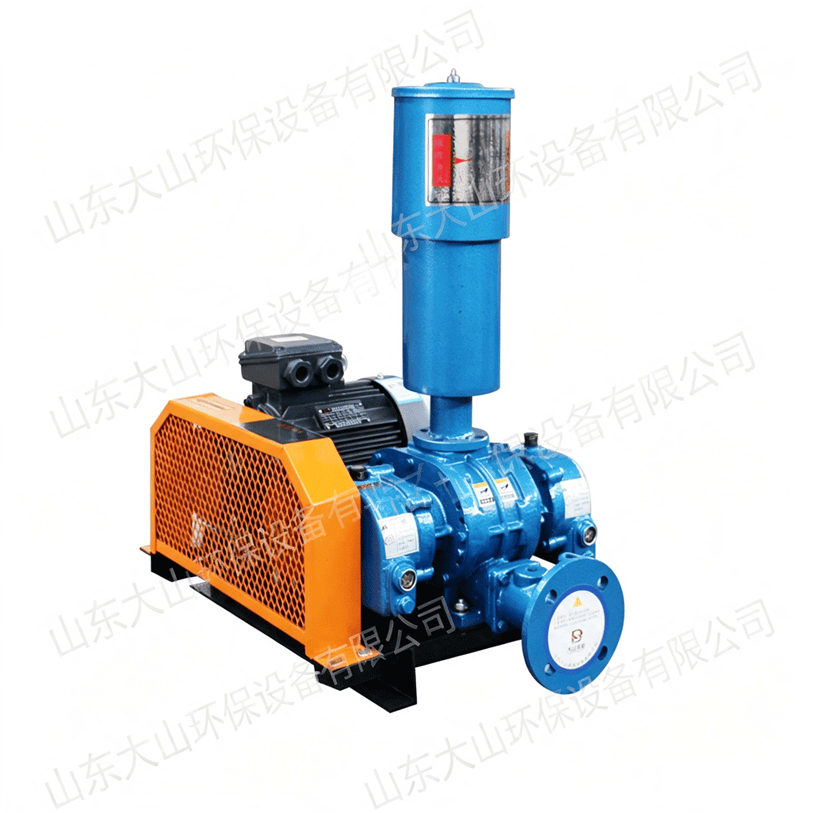
Roots Blower Aquaculture Bottom Aerator Microporous Aeration Tube Compatible Three-Lobe High Pressure Energy-Saving Oxygenation
Shandong Dashan Environmental Protection Equipment Co., Ltd.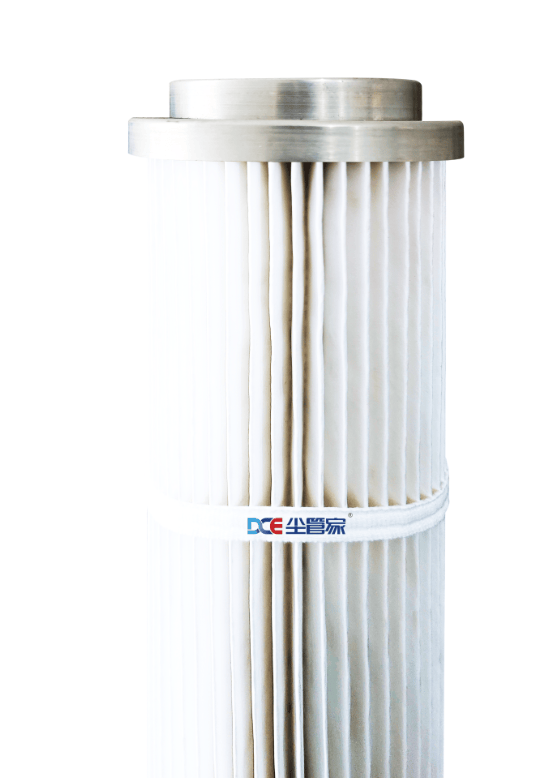
DCE High-Efficiency Energy-Saving Filter Cartridge
Zhejiang Hongsheng New Material Technology Group Co., Ltd.