Renewable-Powered Desalination Requires More Than Connecting Solar Panels to an RO Plant
en.Wedoany.com Reported - As coastal regions expand solar and wind capacity, the integration of renewable energy with Seawater Desalination is becoming an important part of water-energy planning. Yet a renewable-powered plant is not created simply by building a photovoltaic array beside a reverse-osmosis facility. Water supply must remain dependable while wind and solar generation fluctuate, which requires coordinated control of production, electricity procurement, energy storage, water storage and equipment loading.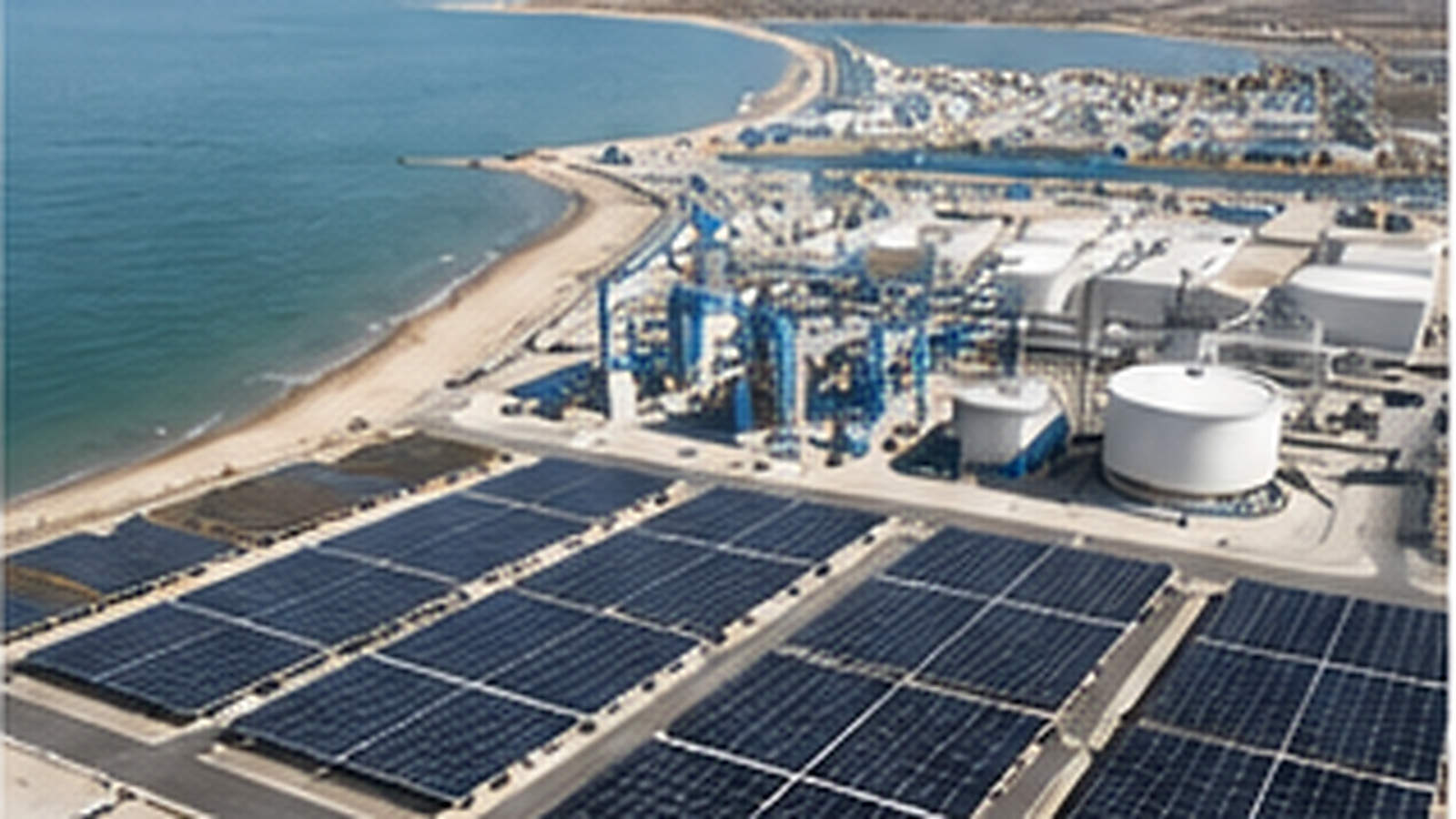
Seawater reverse osmosis can adjust its output to some extent, but frequent and aggressive changes in flow and pressure may affect process stability. High-pressure pumps, energy-recovery devices, membranes and chemical-dosing systems are designed to operate within defined ranges. Repeated starts, stops and rapid ramping can increase the risk of hydraulic transients, membrane compaction, changing permeate quality and maintenance demand. Renewable integration therefore does not mean that the RO system should follow every short-term change in solar irradiance or wind speed.
Water storage is often overlooked in favor of electrochemical energy storage. Desalinated water can be held in tanks or regional distribution systems. Production can increase when renewable electricity is abundant and decrease when power is scarce or expensive. In some projects, combining flexible production with water storage may be more economical than installing enough batteries to smooth all power fluctuations. The available storage volume, however, is constrained by land, water-quality management, distribution pressure and demand patterns.
Grid-connected projects have several options. A desalination plant can use power-purchase agreements, time-of-use tariffs and demand-response programs to reduce both emissions and electricity cost without requiring a dedicated physical connection to one renewable plant. Production can be shifted toward periods of lower prices and higher renewable output. Other low-carbon generation or grid supply can support the plant when renewable production falls.
Off-grid islands and remote industrial sites face a different problem. They may need a microgrid combining wind, solar, batteries, backup generation and modular RO trains. In these systems, water security usually has higher priority than maximizing the instantaneous renewable share. Control software must maintain minimum water reserves, manage equipment starts and preserve enough electrical capacity for critical auxiliary loads.
Wave-powered desalination is a more specialized development path. The U.S. Department of Energy has supported projects that use near-shore wave energy to produce drinking water, including concepts designed for emergency response and remote coastal deployment. Wave energy can potentially drive pumps mechanically or generate electricity for RO. Its attraction lies in reducing dependence on long transmission lines and delivered fuel, but commercial deployment must overcome corrosion, biofouling, storm survivability and offshore maintenance challenges.
Thermal desalination can also be coupled with solar heat or industrial waste heat. Multi-effect distillation and membrane distillation may use thermal energy, but the value of integration depends on temperature, continuity, scale and storage. Selecting a thermal process only because solar energy is available does not guarantee low cost. Collectors, thermal storage, heat exchangers, scaling control and annual plant availability must all be included.
Carbon accounting should cover the complete lifecycle. A renewable electricity contract can reduce operational emissions, but intake construction, membrane production, chemicals, pumping to distant users and concentrate management still consume resources. More useful performance indicators include specific electricity use, electricity carbon intensity, chemical consumption, membrane replacement interval, transmission energy and environmental performance at the discharge location.
The most advanced projects will integrate generation forecasts, water-demand forecasts, storage levels, electricity prices, membrane condition and maintenance schedules in one operating platform. Such coordination can reduce cost and emissions without compromising water security. The goal should not be a demonstration plant that follows renewable generation at any price. It should be a durable water-energy system capable of delivering reliable water under variable power conditions.
This article is compiled by Wedoany. All AI citations must indicate the source as "Wedoany". If there is any infringement or other issues, please notify us promptly, and we will modify or delete it accordingly. Email: news@wedoany.com
Related Products

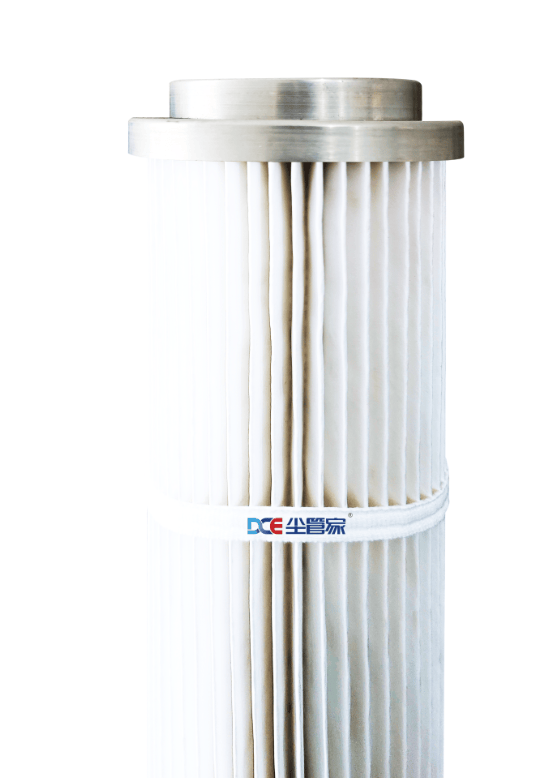
DCE High-Efficiency Energy-Saving Filter Cartridge
Zhejiang Hongsheng New Material Technology Group Co., Ltd.
Forest and Grassland Heat Source Infrared Monitor
China Huayun Meteorological Technology Group Co., Ltd.
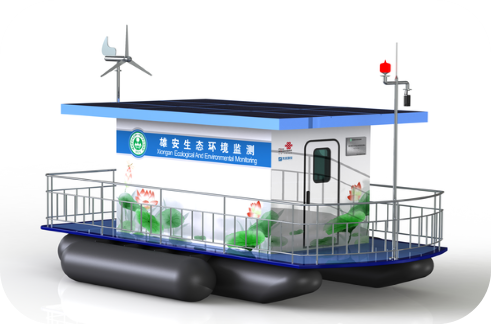
Floating Boat Water Quality Automatic Monitoring System
Hebei Sailhero Environmental Protection High-tech Co., Ltd.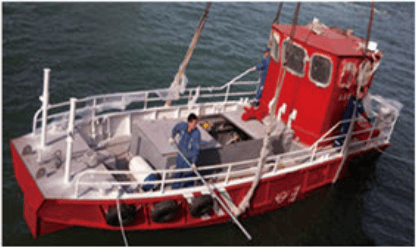
Electromagnetic Fluid Seawater Floating Oil Separation and Recover Equipment
Huate Magnet Group Co., Ltd.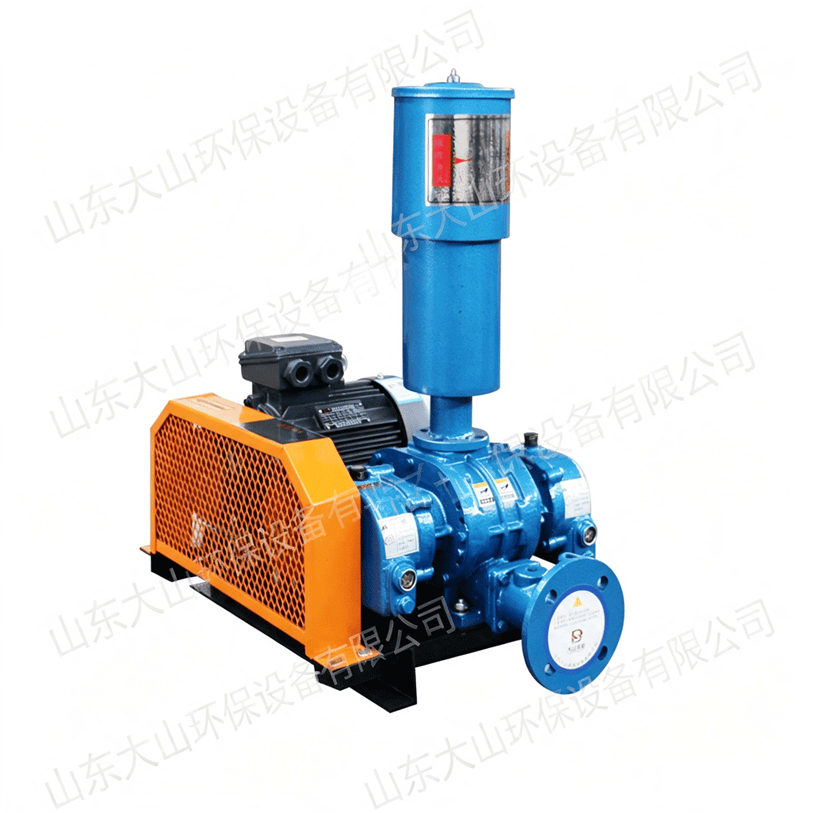
Roots Blower Aquaculture Bottom Aerator Microporous Aeration Tube Compatible Three-Lobe High Pressure Energy-Saving Oxygenation
Shandong Dashan Environmental Protection Equipment Co., Ltd.
714CD Series C-Band Weather Radar
Chengdu Zhongdian Jinjiang Information Industry Co., Ltd.