Agrivoltaic System Design Should Not Focus Only on Photovoltaic Capacity
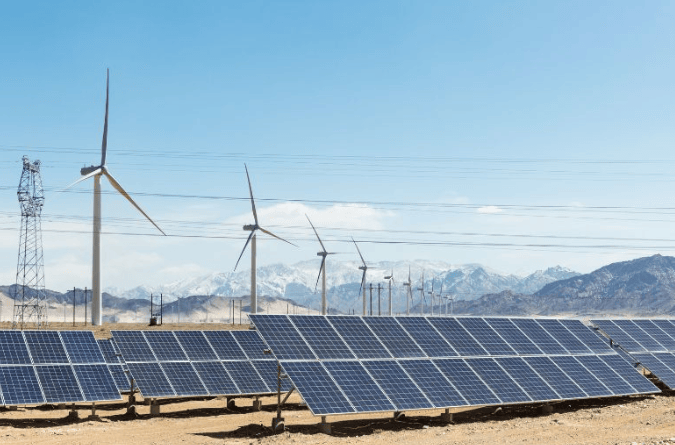
en.Wedoany.com Reported - Agrivoltaics combines photovoltaic generation with crop production, livestock grazing, or other agricultural activities on the same land. Its core objective is not to move a conventional ground-mounted solar plant directly onto farmland, but to use module height, row spacing, orientation, and agricultural-facility design to allow energy production and agriculture to coexist over the long term.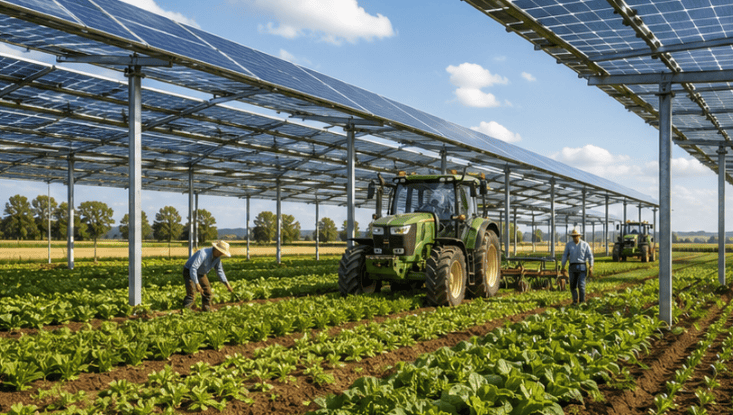
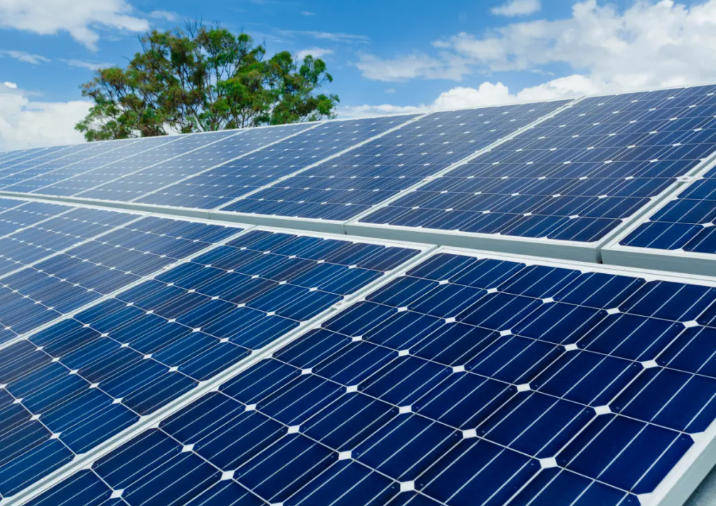
Photovoltaic modules change the solar radiation, wind speed, rainfall distribution, temperature, and soil moisture below them. A dense module layout may increase photovoltaic capacity per unit of land, but it can also reduce the light available to crops and restrict access for agricultural machinery and workers.
Agrivoltaics design should begin by defining the agricultural activity. Leafy vegetables, berries, forage, grain crops, and fruit trees have different requirements for light, space, ventilation, and mechanical operations, and therefore require different module heights and row spacing. A project should not complete the solar design first and then passively search for a crop that can tolerate the resulting shade.
Module height should meet crop-growth, machinery, and maintenance requirements. Large tractors, harvesters, and irrigation equipment require greater clearance and turning space, while livestock projects must consider animal impact, cable chewing, and equipment protection.
Foundation and cable arrangements should not obstruct farming. Closely spaced foundations may reduce the effective cultivated area, while exposed ground-level cables may interfere with machinery and create safety risks. Drainage, irrigation, and agricultural-vehicle routes should be planned during the initial power-plant design.
A trade-off is normally required between photovoltaic output and agricultural yield. Lower module density may reduce electricity generation per unit of land but preserve more sunlight and working space for agriculture. Project evaluation should calculate electricity output, agricultural production, and the combined value of land use together.
An agrivoltaic system should also preserve flexibility for long-term agricultural operation. Crop selection, machinery, and market demand may change during a solar plant operating life of more than twenty years, and excessively fixed structures or narrow passages can limit future adjustment.
A mature agrivoltaic design treats agricultural requirements as a basic condition equal in importance to photovoltaic generation. Only when modules, mounting structures, irrigation, roads, and machinery operations are properly matched can the project achieve genuine dual production from the same land.
This article is compiled by Wedoany. All AI citations must indicate the source as "Wedoany". If there is any infringement or other issues, please notify us promptly, and we will modify or delete it accordingly. Email: news@wedoany.com
Related Products


Industrial and Commercial Point-Type Gas Detector
Jinan Benan Technology Development Co., Ltd.
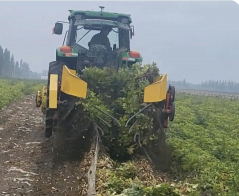
4HS-8 High-efficiency Peanut Inverted-laying Harvester
Hebei Yongfa Hongtian Agricultural Machinery Manufacturing Co., Ltd.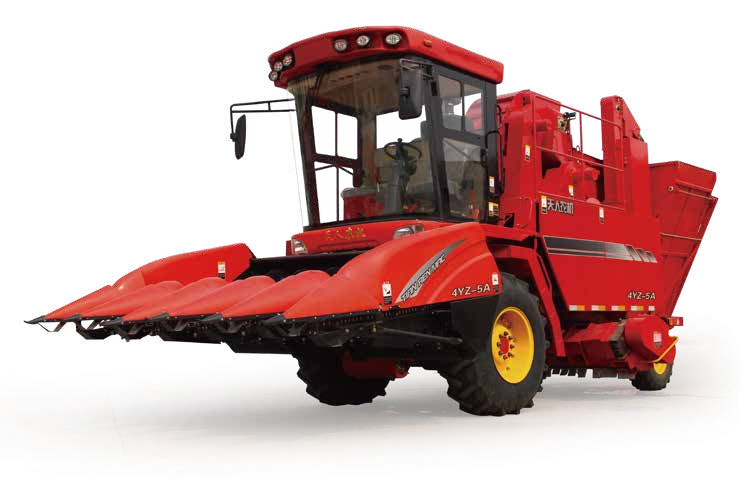
714CD Series C-Band Weather Radar
Chengdu Zhongdian Jinjiang Information Industry Co., Ltd.