China Zero Automation Hosts IP67 Online Sharing Session
en.Wedoany.com Reported - Recently, Sichuan Zero Automation System Co., Ltd. in China held an online sharing session on practical applications of the IP67 series control system, themed "Extreme Conditions, Full Reliability." This two-hour in-depth technical exchange attracted tens of thousands of professionals from fields such as Automotive Industry" target="_blank">new energy vehicles, lithium battery manufacturing, water treatment, and the food industry. The content covered industry trend insights, product technology analysis, and practical case reviews.
At the opening of the session, Yuan Kang, Secretary-General of the IPC Asia-Pacific Standards Committee and expert of the CPCA PCB/FPC Think Tank, delivered a speech titled "New Demands of New Energy Electrical Modules for Intelligent Equipment," analyzing the evolution trends of automotive electronic and electrical architectures. Data shows that the share of automotive electronic and electrical products in total vehicle cost has risen from 15.32% in 1990 to a projected 59.55% by 2030, a structural shift that is influencing the technological direction of the industry chain.
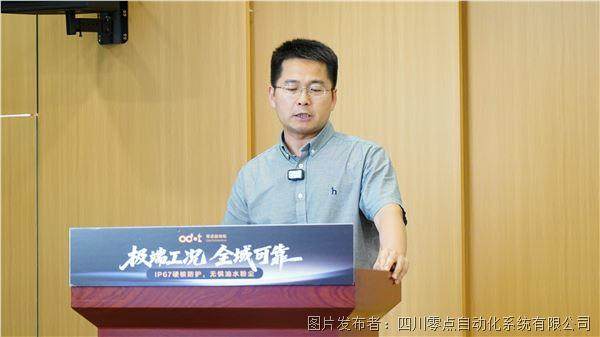
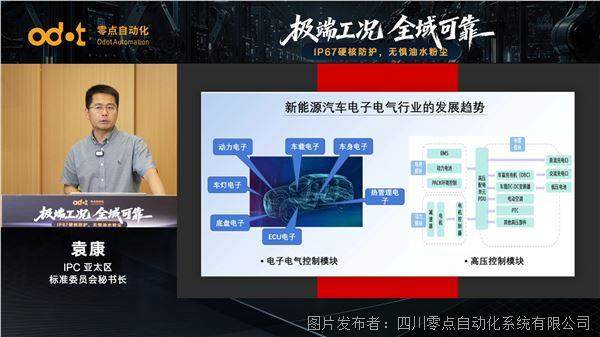
Yuan Kang pointed out that high-voltage module assembly equipment for new energy vehicles faces harsh conditions such as coolant splashes, metal dust dispersion, and high-pressure water jet cleaning. Traditional I/O solutions relying on control cabinets have high wiring costs and numerous failure points, making it difficult to meet production line demands for real-time data collection and predictive maintenance. The IP67 remote I/O module connects directly to sensors via quick connectors, requiring only a single main cable for communication and power supply, eliminating intermediate junction boxes and control cabinets. This "cabinet-free" deployment model can improve wiring efficiency by 80% and achieve an order-of-magnitude increase in supply chain response speed.
Wang Dewu, Deputy General Manager of the Marketing Center at Sichuan Zero Automation System Co., Ltd., shared the company's technological layout and development history. Since its founding in 2003, Zero Automation's product line has included PLCs, I/O modules, protocol converters, IoT gateways, and industrial switches. The company's products are now exported to over 70 countries, serving more than 2,000 partners, and have obtained certifications under ISO9001, ISO14001, ISO45001, as well as international certifications such as 100% domestic production, CE, UL, RoHS, and classification society approvals.
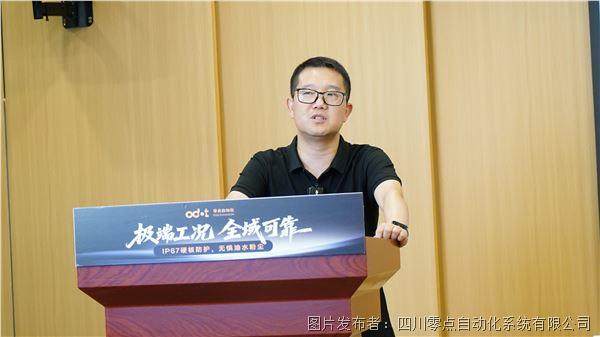
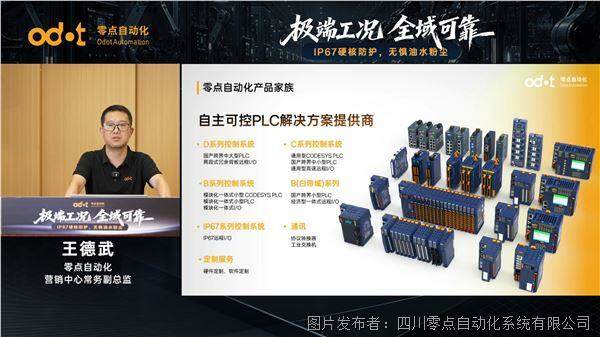
Wang Dewu emphasized that Zero Automation's core competitiveness lies in its fully independent design capability, from appearance to embedded software. The new two-segment D-series control system launched in 2025 is equipped with the AIOSYS software platform and RISC-V high-performance chips, achieving the goal of 100% pure domestic production in both hardware and software.
Related Products



CAP1400 main feedwater flow nozzle flowmeter.
Jiangsu Hongda Instrument Technology Co., LTD.
QLZNGJ Intelligent Steel Reinforcement Trolley
Luoyang China Railway Qiangli Machinery Co., Ltd.
Pallet Solutions Product Line: HD3000 Double-Column Stacker Crane
Zhongding Intelligent (Wuxi) Technology Co., Ltd.
Standard Nozzle Flowmeter
Jinggong Automatic Control Instrument Complete Technology Development Company

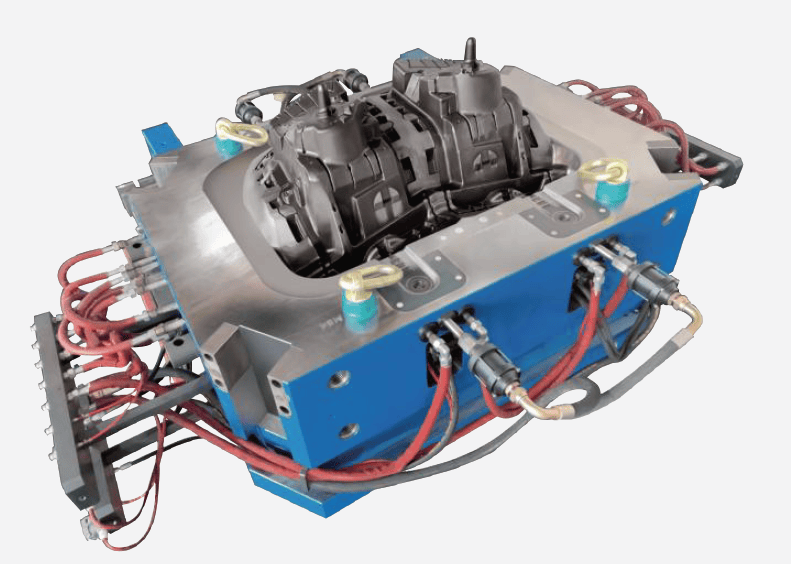
Aluminum-Magnesium Alloy High-Pressure Die-Casting Molds
NINGBO HELI TECHNOLOGY CO., LTD.