University of Illinois proposes using underground aquifers to cool data centers
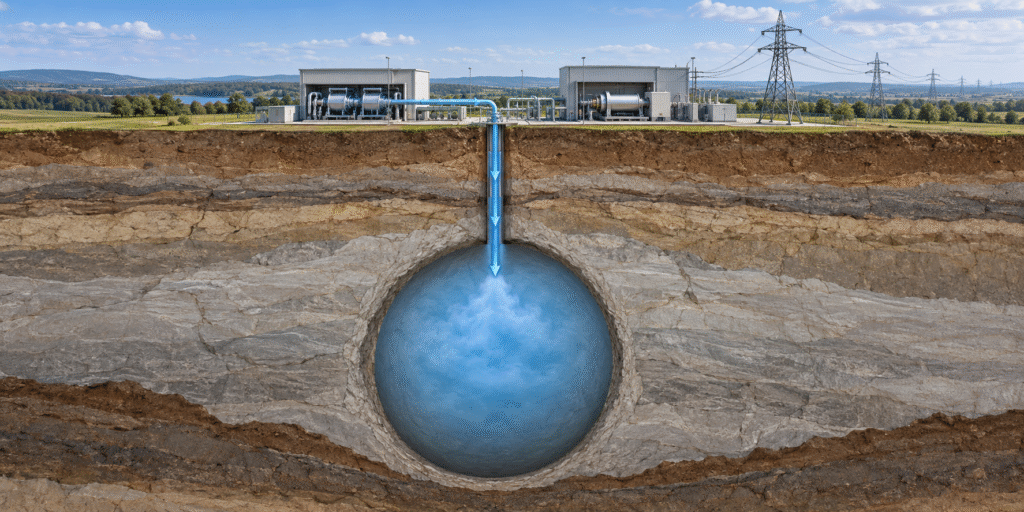
en.Wedoany.com Reported - Scientists at the Illinois State Geological Survey, part of the Prairie Research Institute at the University of Illinois Urbana-Champaign, have proposed a method to cool data centers by using underground aquifers as natural thermal batteries. The study has been published in the journal Groundwater.
Data centers consume large amounts of electricity and water to prevent servers from overheating. According to the study, depending on the design, 10% to 40% of a data center's energy may be used solely for cooling. In 2023, Google reported that its data centers consumed over 6 billion gallons of water for cooling. Many traditional cooling systems rely on evaporating large quantities of water, which is permanently removed from the local water supply.
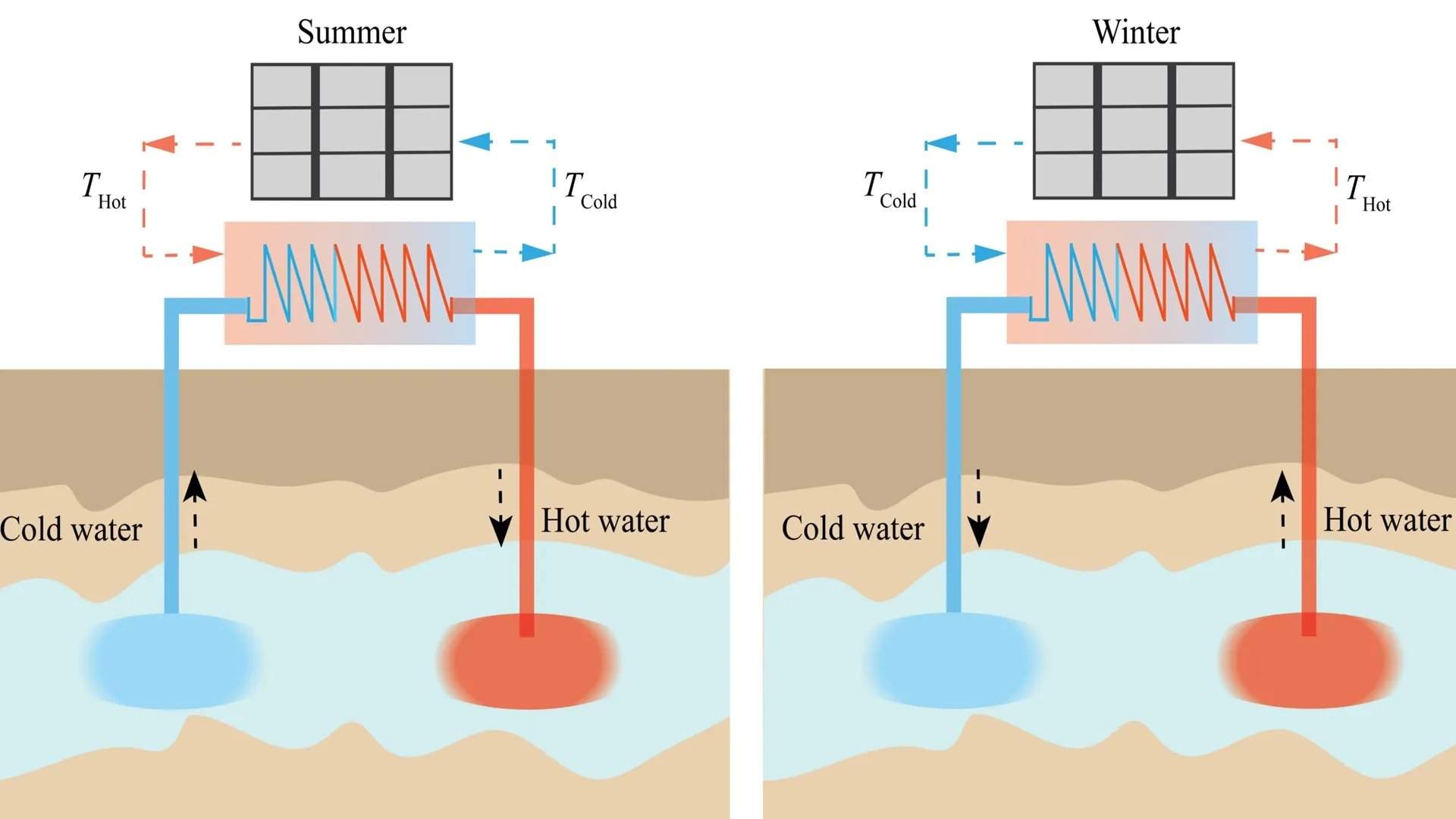
The study was co-authored by postdoctoral researcher Upasana Pandey and professors Dr. Yu-Feng Lin and Dr. Andrew Stumpf. They demonstrated how Aquifer Thermal Energy Storage (ATES) systems work: the system uses groundwater to store seasonal thermal energy, functioning like a giant natural thermal battery. By extracting and injecting water through well doublets, it achieves energy-efficient, low-carbon heating and cooling.
In the specific process, cold water from underground aquifers is pumped through heat exchangers within the data center, absorbing heat generated by computing equipment before being returned to the aquifer for storage and reuse. During colder months, the process can be reversed: heat stored underground in summer can be used to warm buildings in winter, while cold water collected in winter is stored for summer cooling. This method can improve cooling efficiency enough to reduce overall electricity demand.
Stumpf noted that regions like Illinois can leverage the nearly constant underground temperature of the Earth. He gave an example: traditional systems need to adjust from 90°F (about 32.2°C) to 70°F (about 21.1°C), while systems using groundwater only need to adjust from about 55°F (about 12.8°C) to 70°F. This technology does not rely on fresh drinking water; deeper saline aquifers, contaminated groundwater, or even abandoned flooded mines can be used to store thermal energy. The research team believes Illinois is particularly suitable for this technology due to its significant seasonal temperature fluctuations, abundant groundwater resources, and glacial deposits that effectively transfer heat.
The research team pointed out that the biggest obstacle to this technology is economic rather than technical. Geothermal cooling systems have higher upfront investment costs, but long-term operating costs are typically lower. Many project evaluations only consider investment cycles of 5 to 10 years, rather than the 20- to 40-year lifespan over which these systems yield the greatest benefits. The labor required to deploy these systems already exists, as many drilling skills are common in the oil, gas, and water well industries.
Lin stated in a press release that water is a magical material with high heat capacity and can flow as a good heat carrier. This combination is rare in groundwater, and these properties can be harnessed for energy storage.
Related Products

6kV-35kV Medium and High Voltage Direct-Connected Energy Storage System
Hainan Jinpan Smart Technology Co., Ltd.
Microcomputer Protection and Substation Automation
Beijing Agent Devote Power Technology Development Co., Ltd.
G.652.D Wavelength-extended Non-dispersion Shifted Single-mode Optical Fiber
HONGAN GROUP CO., LTD.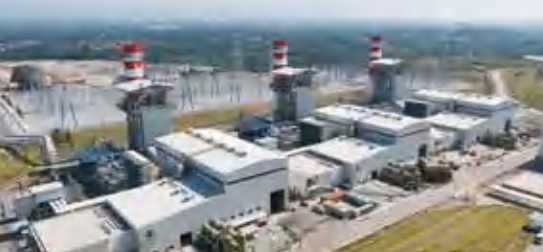
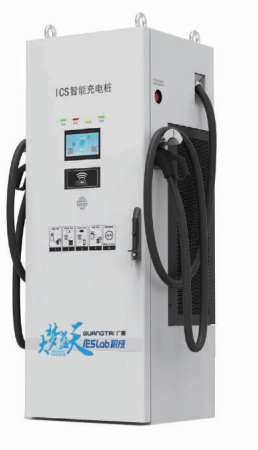
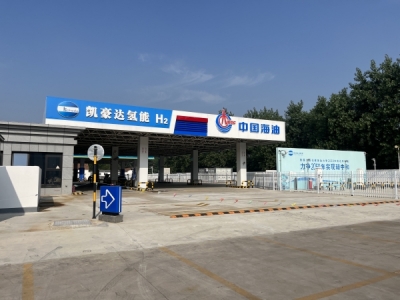
Hydrogen production and hydrogenation charging refueling gas integrated energy station
Shenzhen Kohodo Hydrogen Energy Co., Ltd.
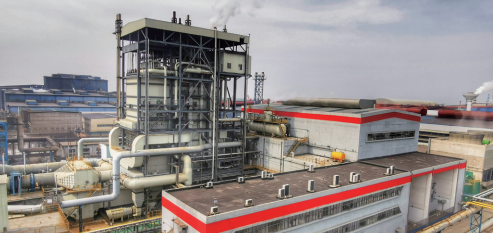
Jiujiang Pinggang 125MW Subcritical Gas Power Generation Project
Capital Engineering & Research Incorporation Limited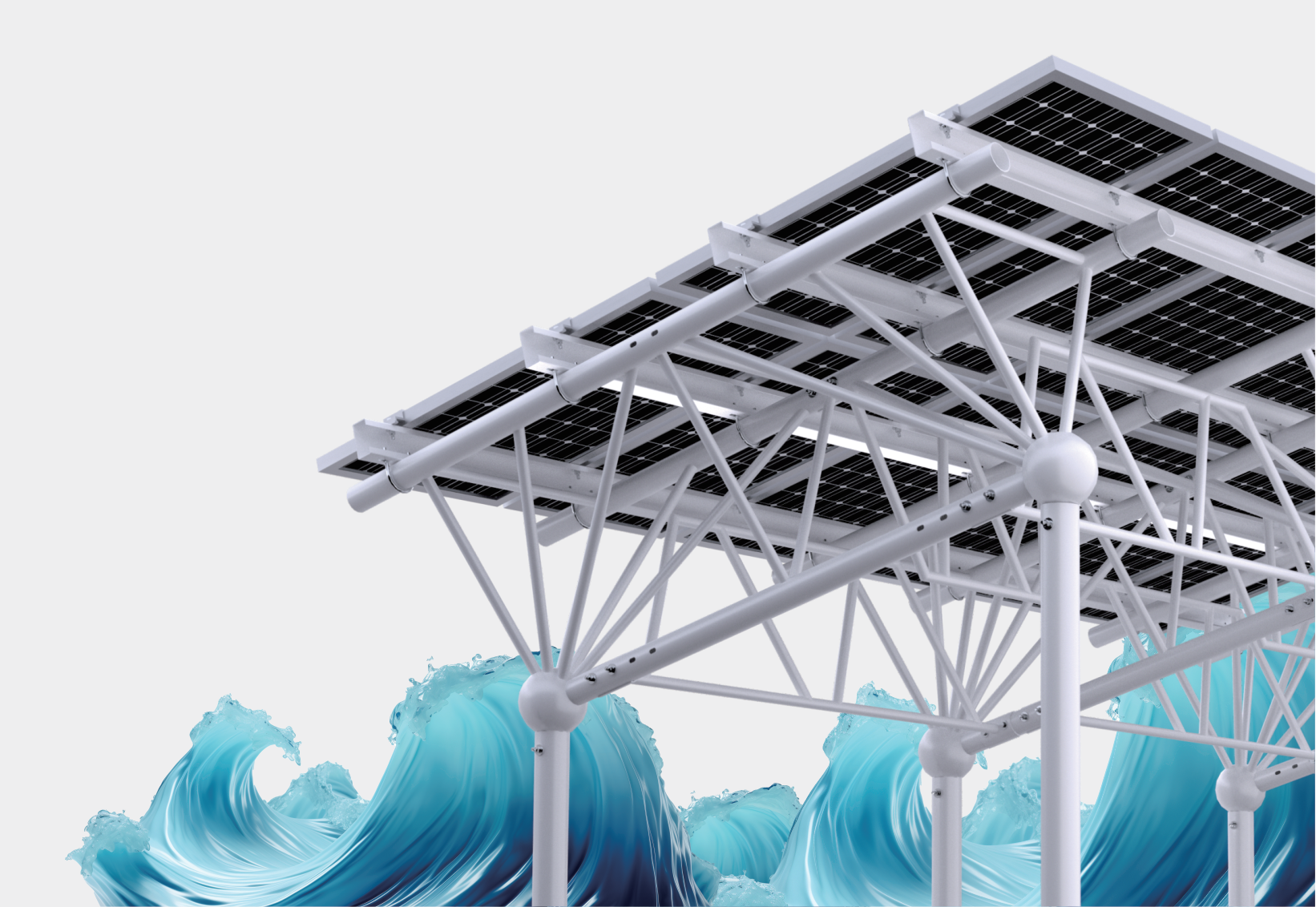
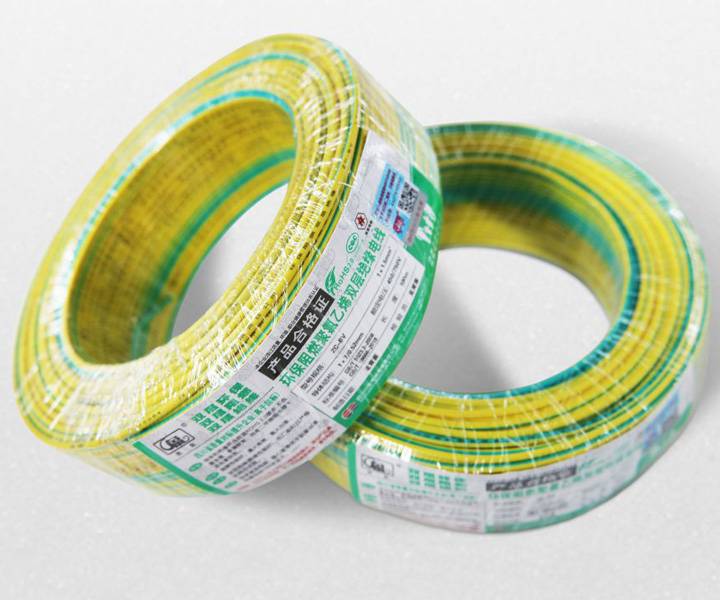
Environmentally Friendly Flame-retardant PVC Double-layer Insulated Wire
Sichuan Chndo Cable Co., Ltd.