Emerson Beijing Measurement Technology Center Delivers Over 5.5 Million Instruments in 30 Years in China
en.Wedoany.com Reported - Over 30 years of operation, Emerson's Beijing Measurement Technology Center has delivered more than 5.5 million measurement instruments to customers in China. The center is currently Emerson's third-largest global measurement equipment hub and one of its two core sensor manufacturing centers worldwide, supplying products to China as well as markets in Europe, the United States, and the Asia-Pacific region.
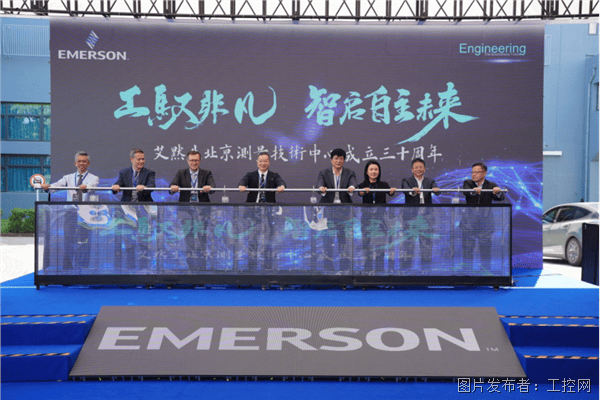
Emerson has been in the Chinese market for 47 years, and China has become its second-largest global market. At the 30th-anniversary celebration of the Beijing Measurement Technology Center on June 17, themed "Engineering Excellence, Intelligent Autonomy for the Future," Emerson China President Andy Wang addressed media questions on topics including the development of the Chinese market, industrial AI, the competitive landscape, and future directions.
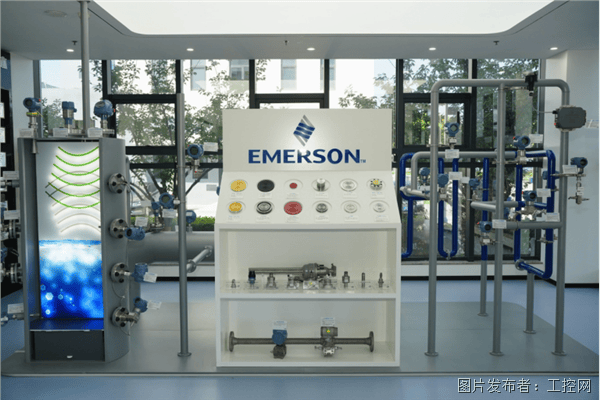
Wang noted that over the past 30 years, Emerson has transitioned from technology introduction to independent innovation, establishing a complete localization system covering R&D, manufacturing, supply chain, and services. He cited the "Rosemount Diamond Diaphragm," initially developed for China's coal chemical industry to withstand high temperature, high pressure, and high wear conditions, which later succeeded in the Chinese market and was rolled out globally—a case demonstrating the evolution of China's innovation capabilities. He believes that 30 years ago, China was an important sales market for Emerson, but it has now developed into a demand center, manufacturing center, and innovation center. Currently, the Beijing Measurement Technology Center has a local team of nearly 600 people and serves as a key innovation base for products such as pressure, temperature, and level switches, radar instruments, and flow measurement components.
Regarding industrial AI, Wang believes it is transitioning from point applications to system integration in the process industry. Practical results have been achieved in areas such as visual inspection, equipment anomaly warning, predictive maintenance, and energy efficiency optimization. The next step is to more deeply integrate AI into production management processes to achieve higher levels of autonomous operation. He pointed out that establishing a trustworthy data foundation, enabling data collaboration between devices and systems, and promoting deep integration of OT and IT are key conditions, with the accuracy and stability of measurement data directly impacting the practical value of AI models. Currently, Emerson is advancing industrial AI practices in industries such as power generation, using AI-driven software systems to help customers improve operational efficiency and developing replicable application experience.
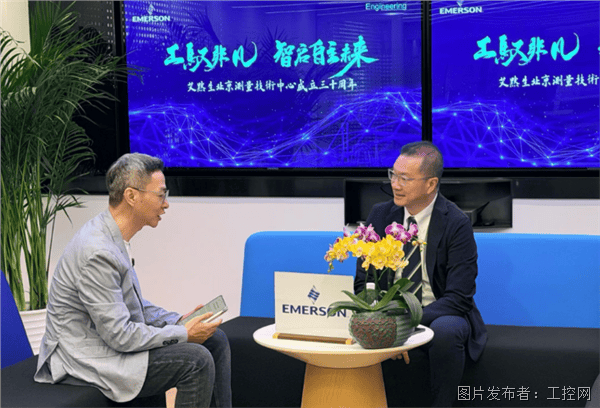
On the competitive landscape, Wang stated that with the development of digitalization and AI, the competitive logic of the automation industry is changing. Customers face multiple challenges simultaneously, including safety, efficiency, energy consumption, emissions, and supply chain, with data scattered across different devices, systems, and even organizations becoming a common issue. He believes that future competition will shift from competition over individual products or systems to a system-level competition over who can turn data into collaborative assets through open architectures and create value by partnering with more players. The Chinese market is accelerating this trend, with customers in industries such as chemicals, energy, power, new energy, and pharmaceuticals requiring comprehensive solutions covering more scenarios and longer lifecycles.
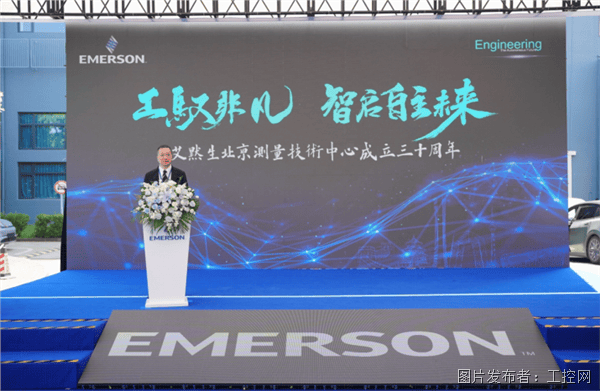
When discussing the next phase of development for Emerson China, Wang's key word was "co-creation." He believes co-creation means growing together with Chinese customers—not only providing products and technologies but also deeply understanding their actual needs in terms of operating conditions, maintenance, safety, energy consumption, and operational management. It also involves building closer collaborative relationships with industry chain partners, further combining manufacturing capabilities, engineering experience, and innovation achievements accumulated in the Chinese market with global resources to create greater industrial value. Against the backdrop of ongoing development in intelligence, low-carbon initiatives, and AI, Emerson aims to leverage its advantages in the automation field to help customers achieve safer, more efficient, and more sustainable development goals. Since its establishment in 1996, the Beijing Measurement Technology Center has grown from a localized production base into an important component of Emerson's global measurement business. Wang stated that, as expressed by the event's theme "Engineering Excellence, Intelligent Autonomy for the Future," the accumulation of the past 30 years has shaped today's center. Looking ahead, Emerson will continue to use innovation and co-creation as a bond to explore more possibilities for industrial development together with customers and partners.
Related Products
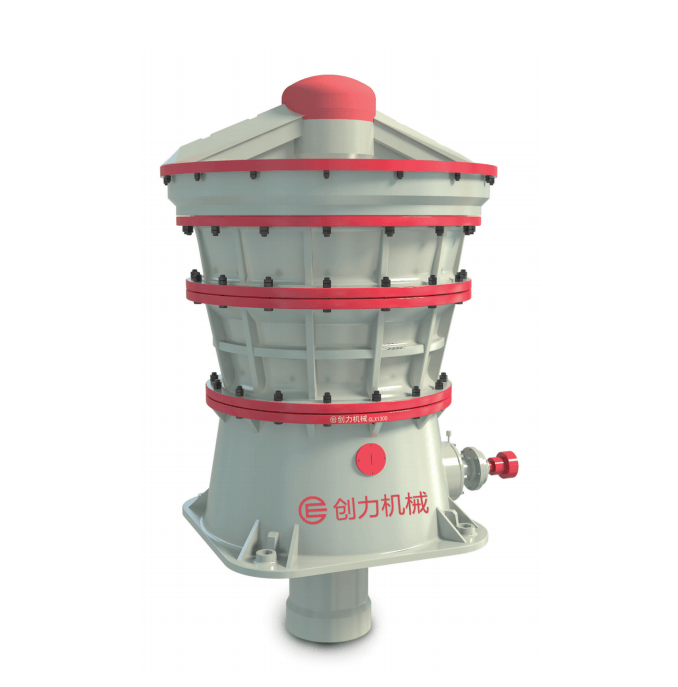

CLX Series Intelligent Hydraulic Gyratory Crusher
Guangdong CHUANGLI intelligent machinery Equipment Co., LTD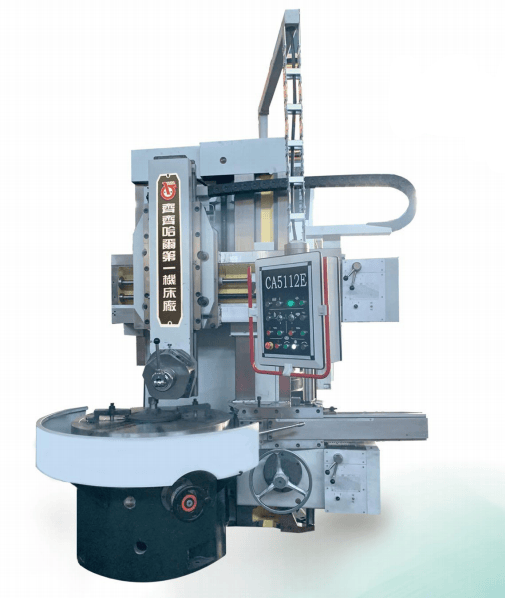
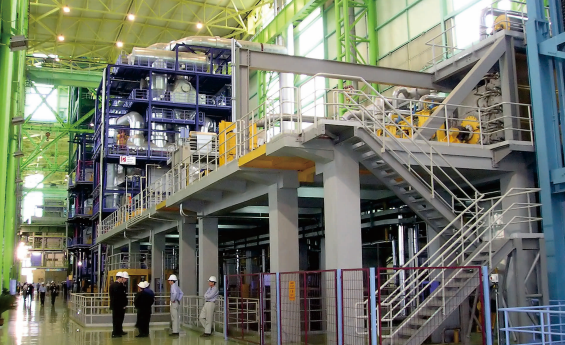
Strip Coating and Plating Production Line Equipment
MCC-SFRE HEAVY INDUSTRY EQUIPMENT CO., LTD.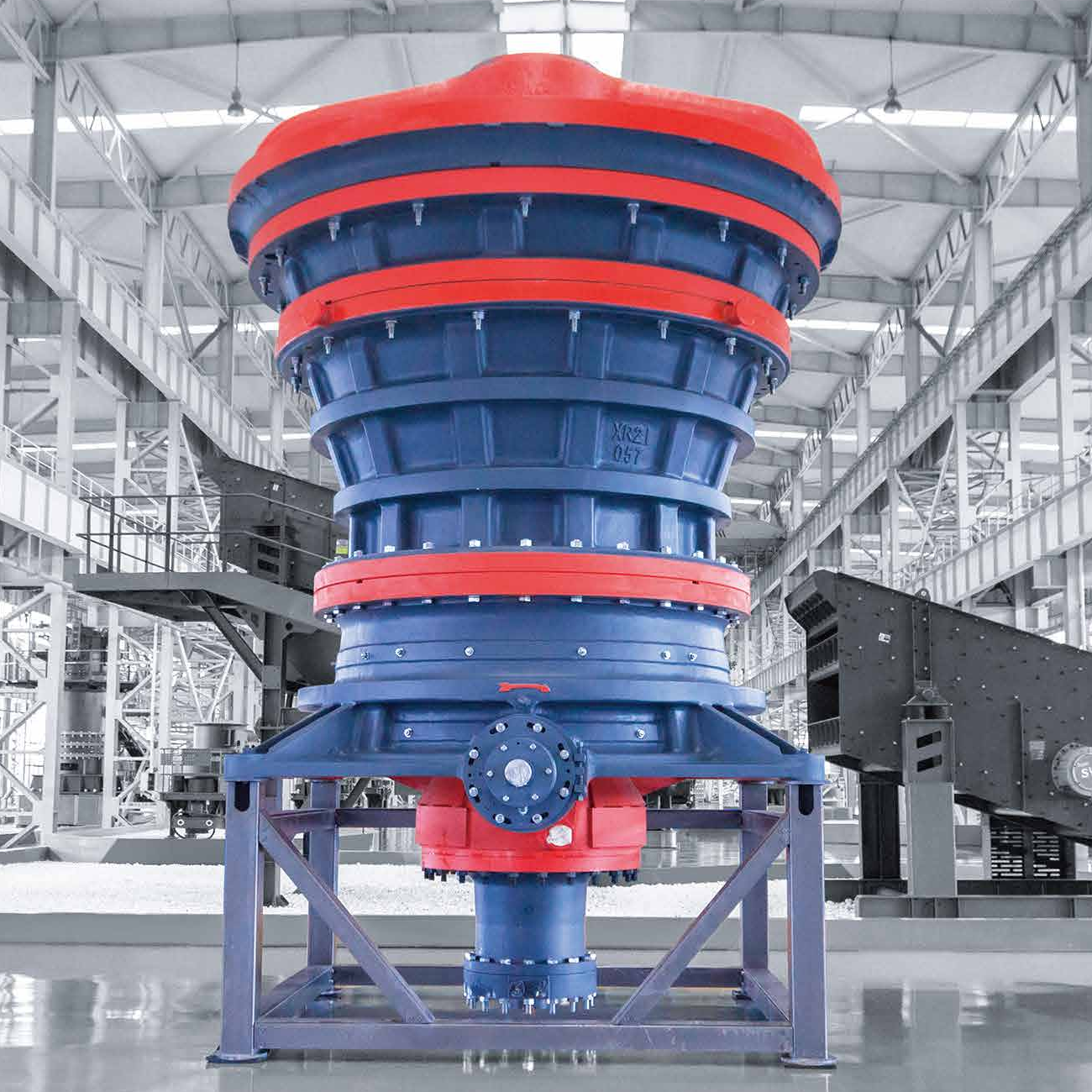



CAP1400 main feedwater flow nozzle flowmeter.
Jiangsu Hongda Instrument Technology Co., LTD.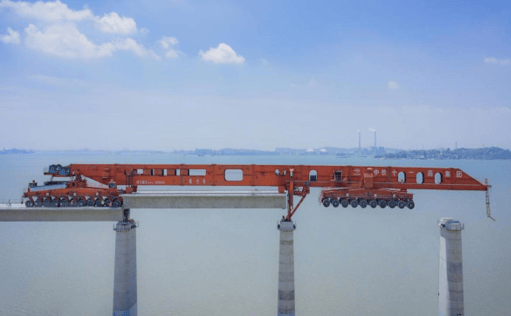
High-Speed Railway Lifting, Transporting, and Erecting Equipment: Integrated Transport and Erection Machine
Hanjiang Heavy Industry Co., Ltd. of China Railway 11th Bureau Group
QLZNGJ Intelligent Steel Reinforcement Trolley
Luoyang China Railway Qiangli Machinery Co., Ltd.