UK's TAE Delivers First Hybrid Energy Storage Prototype System to MARA
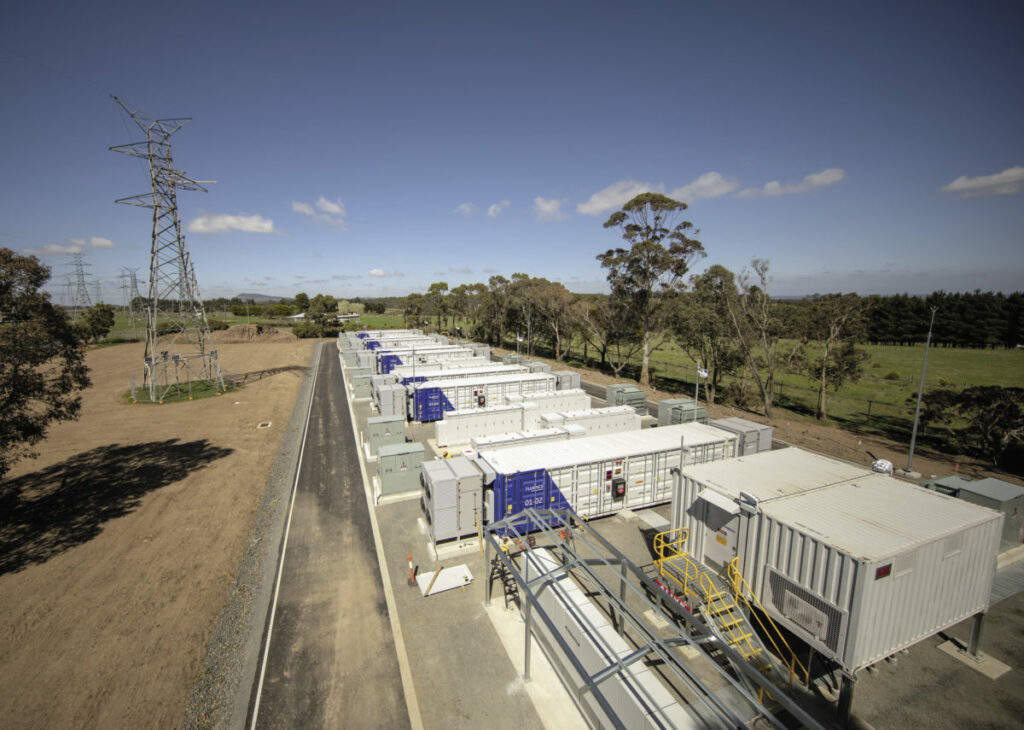
en.Wedoany.com Reported - UK-based TAE Power Solutions has delivered its first hybrid energy storage prototype system to US-based MARA Holdings, combining batteries, supercapacitors, and intelligent control to address stable energy demand and sudden power spikes. This delivery marks the first real-world deployment of this fusion-derived architecture, with the prototype system set to be installed at one of MARA's sites for operational testing.
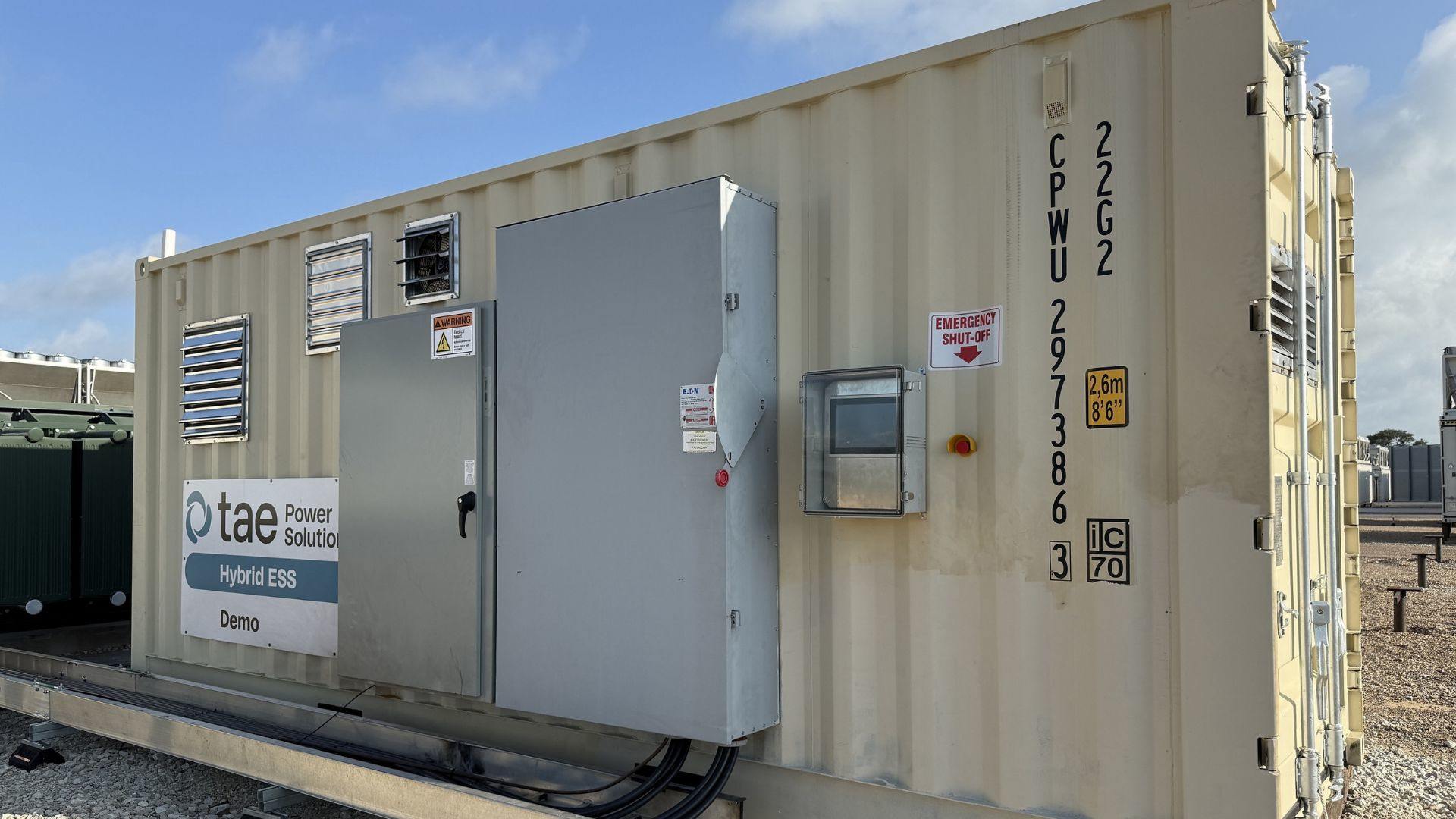
MARA Holdings is one of the world's largest Bitcoin mining operators, running massive computing clusters that require substantial continuous power, with loads fluctuating dramatically within microseconds. For standard lithium-ion batteries, such sudden power surges can cause rapid degradation or even burnout. TAE addresses this issue by building a hybrid storage system that pairs batteries with supercapacitors, leveraging the latter to absorb and release rapid power shocks with significantly higher charge-discharge cycle life than batteries. This architecture allows supercapacitors to handle high-stress rapid fluctuations, thereby protecting batteries from cyclic stress and overcoming the performance and lifespan limitations of traditional pure battery storage.
Francisco Garcia, General Manager of Stationary Energy Storage at TAE Power Solutions, stated that delivering the first hybrid energy storage prototype system to MARA is a significant step in the partnership, advancing the technology from development to real-world operational environments. MARA's operational profile provides a valuable opportunity to validate performance, collect field data, and refine the system before future production deployment.
TAE noted that if the prototype system can withstand MARA's demanding workloads, the technology will not be limited to the cryptocurrency mining sector. The hybrid platform is designed to support high-demand applications, such as short-duration power events and sustained energy needs in high-performance computing and AI data centers, helping to smooth computing loads and avoid excessive grid expansion. MARA and TAE expect to complete testing soon and plan additional full-scale production deployments later this year.
Related Products


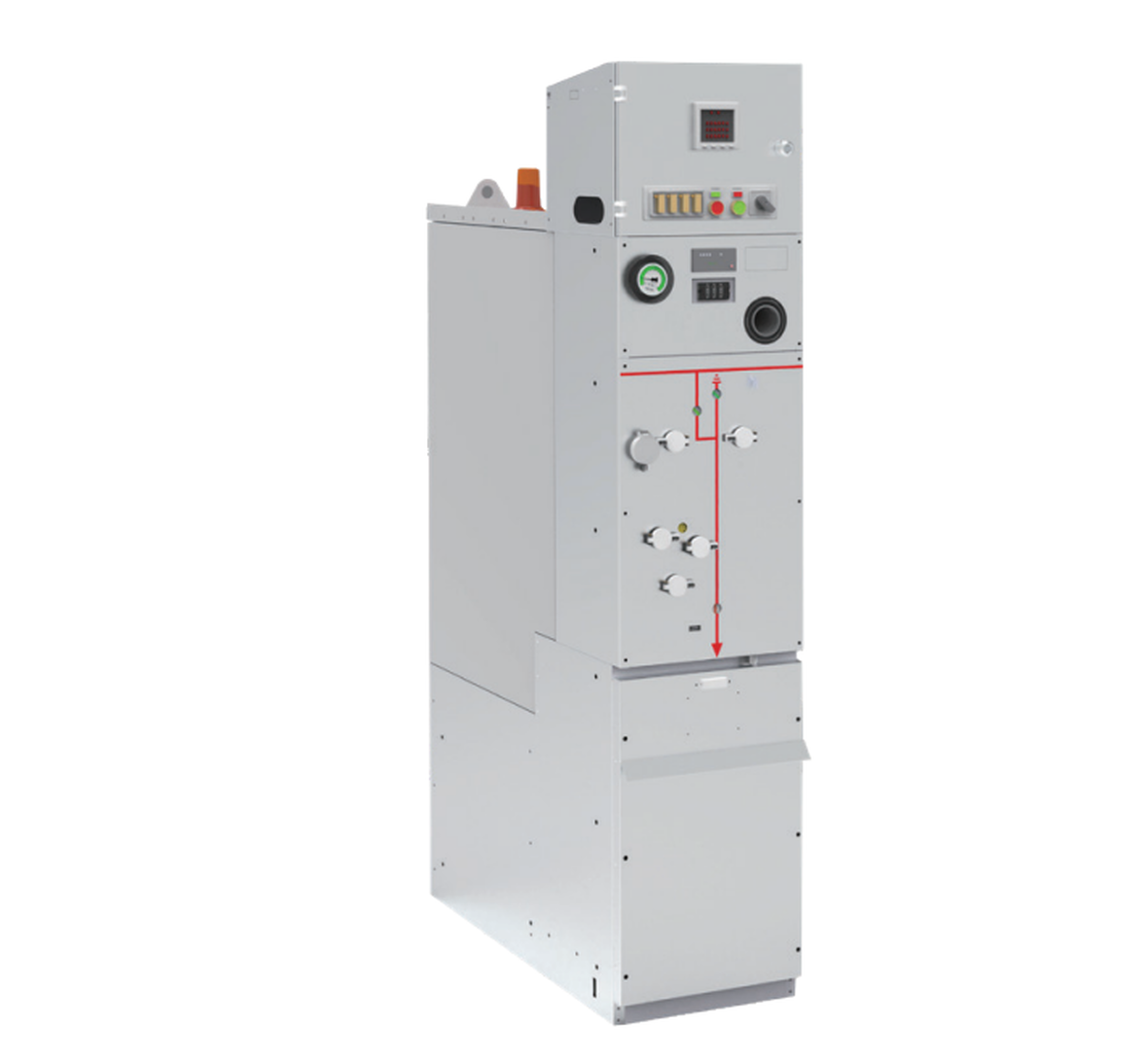
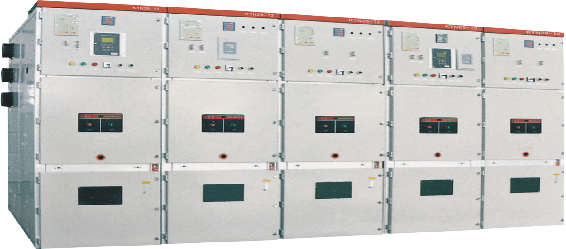
KYN28-12/24 Indoor High-Voltage Metal-Clad Removable Switchgear
Shenzhen Zhaoyang Hui Technology Co., Ltd.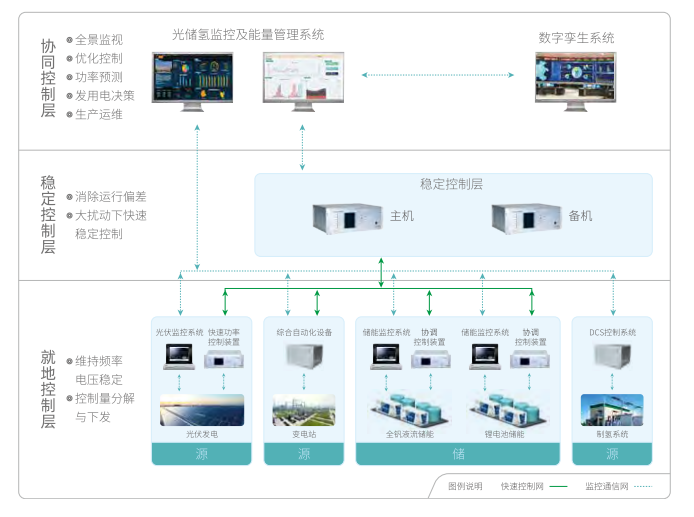
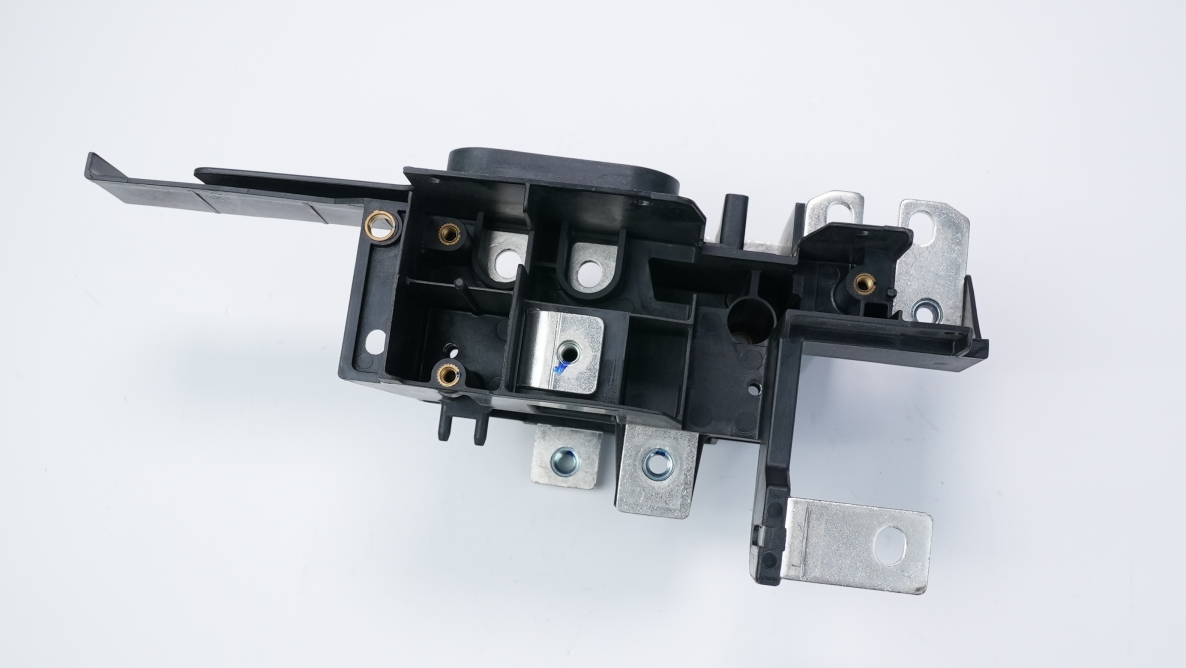
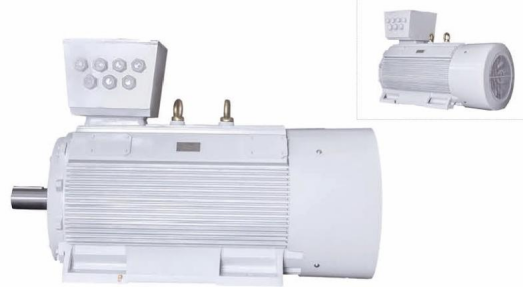
YE3 Series Low Voltage High Power Three-Phase Asynchronous Motor
Shandong Lijiu Electrical Machinery Co., Ltd.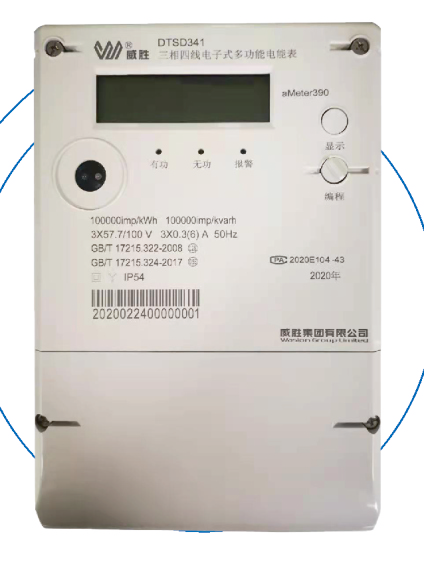
Overseas IEC Gateway Energy Meter - DTSD341/DSSD331-aMeter390
Wasion Group Limited Co., Ltd.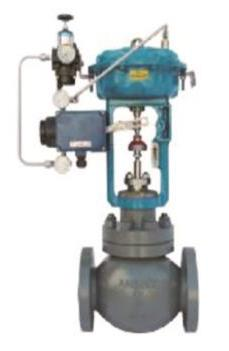
Quick-Change Single-Seat Control Valve / Quick-Change High-Pressure Single-Seat Control Valve
Beijing Consen Automation Technology Co., Ltd.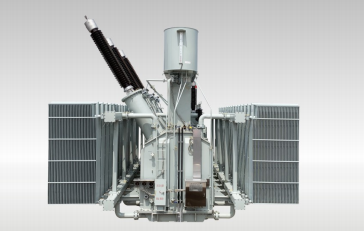
220kV and Below Voltage Level Energy-saving Oil-immersed Power Transformers
FuZhou TianYu Electric Co., Ltd.