South Korea's NIA Establishes AI Policy Center to Support AI G3 Goal
en.Wedoany.com Reported - The National Information Society Agency (NIA) of South Korea has officially established the government-designated specialized think tank, the "Artificial Intelligence Policy Center," which will fully undertake core functions such as national AI policy development, legal and institutional research, and social impact assessment. This initiative aims to support the implementation of the "AI Basic Act," making it a policy hub for the government's AI policy formulation and the public sector's AI transformation.
Ryu Je-myeong, Second Vice Minister of the Ministry of Science and ICT, stated at the launch ceremony of the AI Policy Center held at the Gwanghwamun office in Seoul that achieving the goal of becoming one of the top three AI powers (G3) requires not only technology and infrastructure but also meticulously designed policies, laws, institutions, and precise execution. He expressed hope that the center would serve as a pivotal link connecting policy, legal systems, and on-the-ground implementation, playing a core role in South Korea's leap toward AI G3 status.
Attendees at the ceremony included Vice Minister Ryu, NIA President Kim Hyung-chul, Song Sang-hoon, Head of the National AI Strategy Committee Support Team, Jo Jun-hee, Chairman of the Korea Artificial Intelligence & Software Association (KOSA), Kim Gi-eung, Director of the National AI Research Hub, and Kim Jeong-su, President of the Korea Institute for Defense Analyses. The event shared the vision of the center becoming a national AI policy hub that will comprehensively undertake policy development, legal and institutional research, and social impact assessment following the implementation of the AI Basic Act.
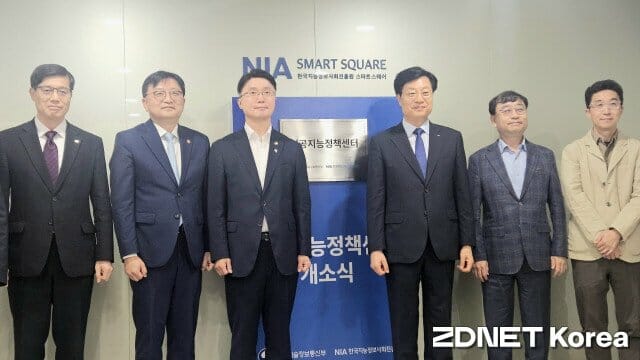
NIA President Kim Hyung-chul stated that as the first and only public institution designated as a government specialized think tank, the center bears significant responsibility and will strive to enhance the professionalism and execution of national AI policies and legal frameworks.
In accordance with Article 11 of the AI Basic Act, the NIA AI Policy Center was selected as a government-designated specialized institution on April 29. Its responsibilities include supporting the formulation of the national AI basic plan and major policies, analyzing the social, economic, and cultural impacts of AI application diffusion, and comprehensively conducting surveys on domestic and international AI policy trends as well as legal and institutional research. The center's organizational structure consists of 3 divisions and 1 team, totaling 5 teams, staffed by 59 personnel.
The center will operate around four core functions: policy development, AI impact analysis, AI trend analysis, and legal and institutional research. Its goal is to proactively identify policy needs in line with the pace of AI technological change, providing professional support from policy design to execution for the government.
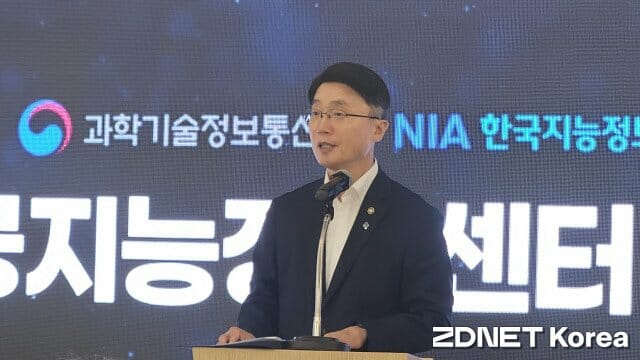
In the area of policy development, the center will support the formulation of the national AI basic plan and implementation plans, and provide professional technical support for AI transformation policy design, project planning, budgeting, and project management guidelines across the government and public sectors. It will also be responsible for expanding cooperation with relevant departments to enhance policy execution.
Analyzing the social impact of AI diffusion is one of its core tasks. The center plans to focus on five key areas—economy, employment, industry, safety, and inclusion—measuring AI impacts based on empirical data and accumulating time-series data for policy formulation. Additionally, it will combine public perception surveys with impact analysis to derive policy insights and establish standards and indicators for measuring AI impact.
In the analysis of domestic and international AI policy and technology trends, the center will strengthen its functions, planning to publish AI trend reports with high policy utility and provide domestic data to international indices such as the Stanford AI Index and the Global AI Index to ensure accurate reflection of South Korea's AI competitiveness in international assessments.
In legal and institutional research, the center will support the refinement of subordinate statutes and guidelines for the AI Basic Act, begin operating a high-impact AI confirmation system, and establish standards for safe AI use. It will also collect opinions from various stakeholders to promote institutional improvements and enhance the on-the-ground applicability of policies.
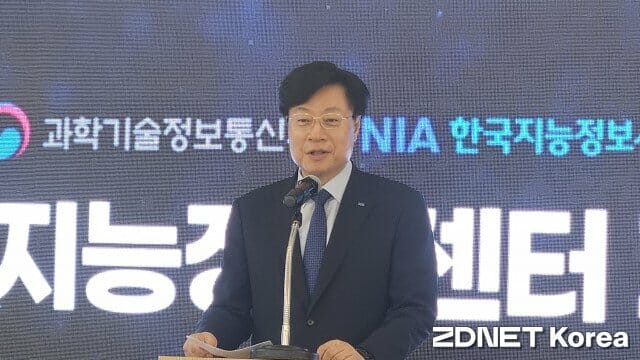
Lee Yong-jin, Director of NIA, stated that the AI Policy Center will serve as a national AI policy platform, comprehensively conducting policy development, impact analysis, trend analysis, and legal and institutional research. It will also expand cooperation with the government, industry, and academia to support the leap toward AI G3.
During the event, Vice Minister Ryu presented 50 coffee vouchers to center staff representatives as encouragement. Subsequently, attendees held a plaque-unveiling ceremony to commemorate the official establishment of the AI Policy Center.
NIA plans to cultivate the AI Policy Center as a think tank and execution support organization for government AI policies, supporting the stable implementation of the AI Basic Act and the strengthening of national AI competitiveness. It will also expand cooperation among the government, industry, and academia, reinforcing the center's role as a national AI policy platform connecting policy development with on-the-ground implementation.
Vice Minister Ryu stated that South Korea's AI has gained recognition for its competitiveness in global AI models, patents, and AI adoption rates, and the government will increase investment and support to enable Korean AI companies and researchers to compete on an equal footing on the world stage.
President Kim emphasized that the center will play a core bridging role connecting the AI industry and policy sites, supporting the entire landscape of national AI policy—from formulating the AI basic plan to conducting impact surveys and legal and institutional research—serving as a solid foundation for the leap toward becoming one of the global top three AI powers.
Related Products
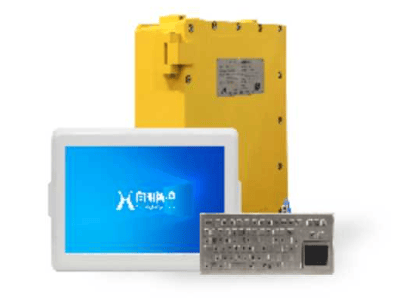

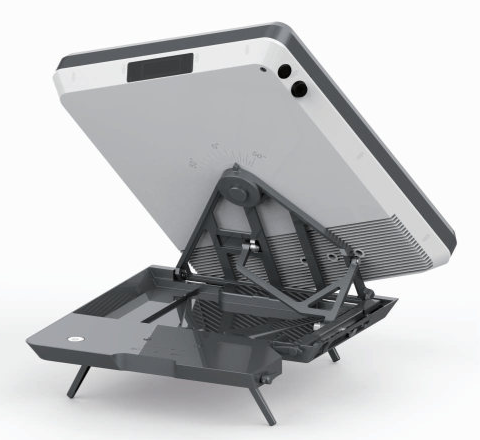
KJD127(A) Mining Explosion-Proof and Intrinsically Safe Computer
Taiyuan Xiangming Intelligent Control Technology Co., Ltd.
Multi-function Marine Monitoring Low-altitude Detection Radar Sea-air Boundary Ocean Dynamic Environment Measurement
Chengdu Dixin Technology Co., Ltd.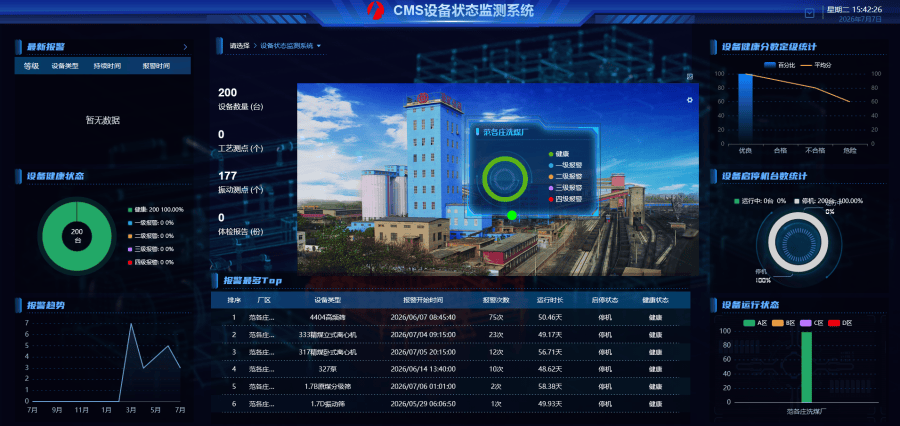
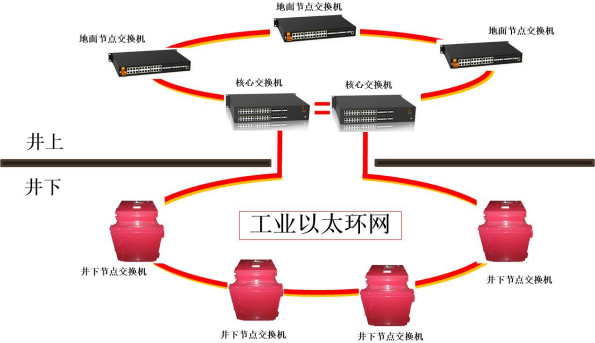
Mine Explosion-proof and Intrinsically Safe Industrial Ethernet Ring Network (10 Gigabit/Gigabit)
Chongqing Mas Sci&Tech Co., Ltd.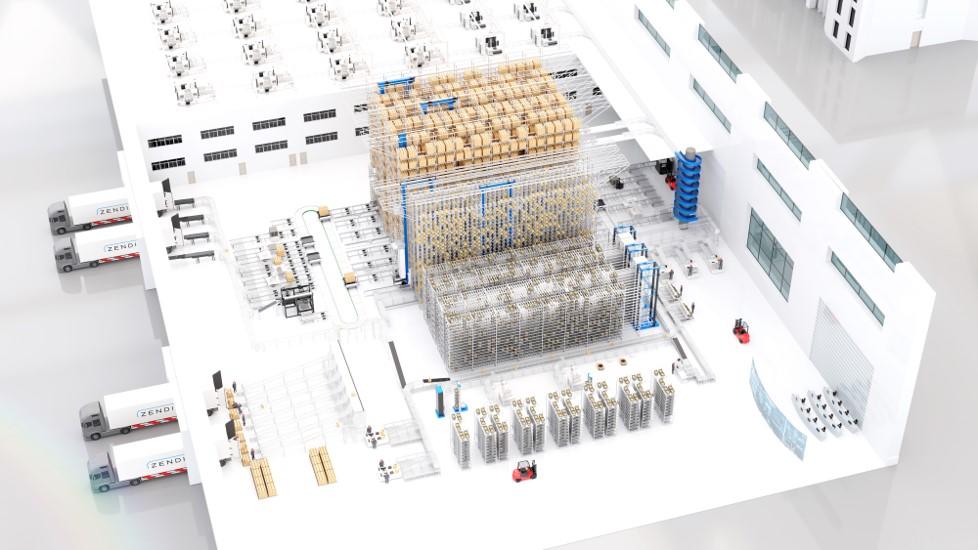
One-Stop Steward Service for the Entire Logistics System Integration Chain
Zhongding Intelligent (Wuxi) Technology Co., Ltd.

Flat Portable Satellite Terminal 0.35m Aperture Manual Portable Terminal
China Starwin Science & Technology Co., Ltd.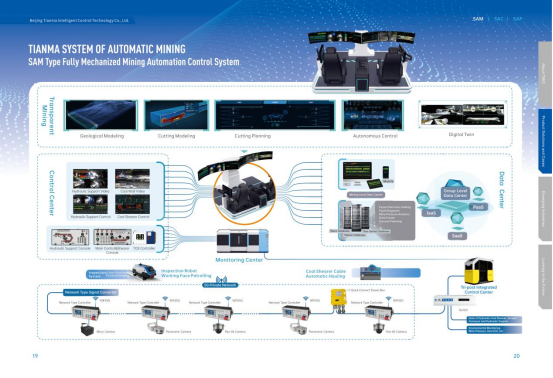
Comprehensive Mining Automation Control System
Beijing Tianma Intelligent Control Technology Co., Ltd.