EU Funds MOTIVATE XR Project to Develop No-Code Industrial Training Tools
en.Wedoany.com Reported - In response to the training needs for highly skilled technicians in the industrial maintenance, repair, and overhaul sector, the MOTIVATE XR flagship project, funded by the EU's Horizon Europe program, was launched in June 2024. It aims to provide a scalable, interoperable set of Extended Reality (XR) tools, enabling industrial trainers to independently create high-fidelity immersive training environments without programming skills.
Traditional training methods relying on static 2D manuals and off-site classrooms struggle to keep pace with the complexity of modern technology. The MOTIVATE XR framework adopts a user-centered co-design methodology, ensuring technology serves workforce operational needs. The technical pathway is divided into three phases: creation, sharing, and experience. The creation phase utilizes 3D scanning (Gaussian splatting and videogrammetry) and CAD model integration to create high-fidelity digital twins, and employs Graph Retrieval-Augmented Generation (GraphRAG) to analyze existing PDF technical manuals, automatically generating interactive training scenarios. The sharing phase enables cross-site collaborative authoring and version control on a web-based secure platform. The experience phase delivers training through device-agnostic players (such as KAYROX or INSCAPE VTS players), supporting real-time data streaming from real equipment to XR headsets for remote assistance.
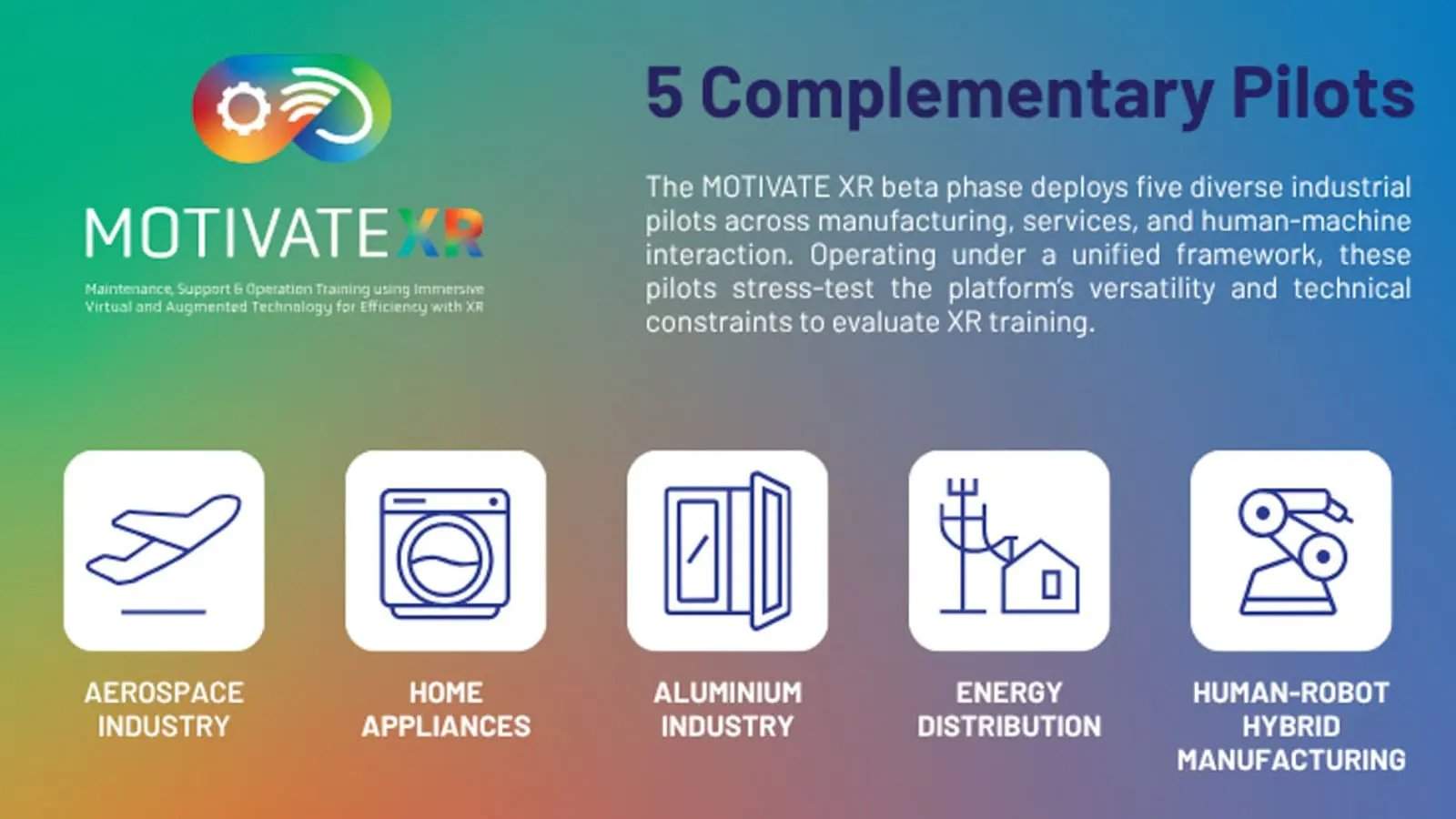
The project is validated through five strategic pilots. In the French Aerospace Valley, a pilot converts complex aircraft air conditioning inspection into XR modules, replacing a six-month development cycle with a no-code workflow, reducing human errors in maintenance tasks, and allowing trainers to directly update content without specialized programming. In Gorenje, Austria and Slovenia, a home appliance pilot transforms 2D washing machine maintenance manuals into spatially anchored instructions on mobile devices, resulting in a measurable reduction in repair errors and increased user confidence. A pilot at the Greek Aluminum Academy digitizes expert assembly knowledge into step-by-step 3D instructions, eliminating ambiguities in traditional drawings, with senior engineers providing real-time corrective guidance through trainee headsets. An energy distribution pilot at HEDNO, Greece, replaces labor-intensive manual calculations with an XR system for power infrastructure inspections, improving data accuracy and worker safety in hazardous environments. A human-machine hybrid manufacturing pilot at BI-REX, Italy, integrates XR with collaborative robots for mechanical gearbox assembly, where inexperienced operators interact with robotic arms via AR navigation to complete complex tasks, establishing a roadmap for Industry 5.0.
The MOTIVATE XR project demonstrates that immersive technology can serve as a standard tool for the industrial workforce. The project is scheduled for completion in 2027, with future directions including refining AI-assisted authoring and integrating advanced vision modules for real-time component recognition.
Related Products


Industrial and Commercial Point-Type Gas Detector
Jinan Benan Technology Development Co., Ltd.
Pallet Solutions Product Line: HD3000 Double-Column Stacker Crane
Zhongding Intelligent (Wuxi) Technology Co., Ltd.
QLZNGJ Intelligent Steel Reinforcement Trolley
Luoyang China Railway Qiangli Machinery Co., Ltd.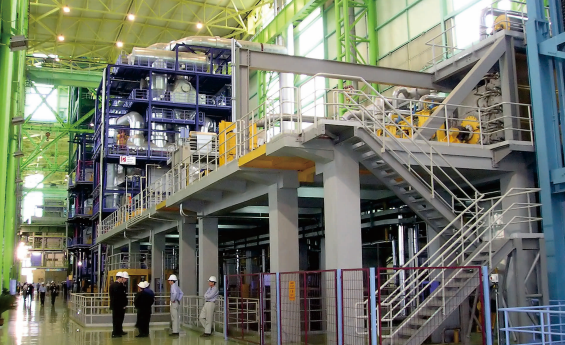
Strip Coating and Plating Production Line Equipment
MCC-SFRE HEAVY INDUSTRY EQUIPMENT CO., LTD.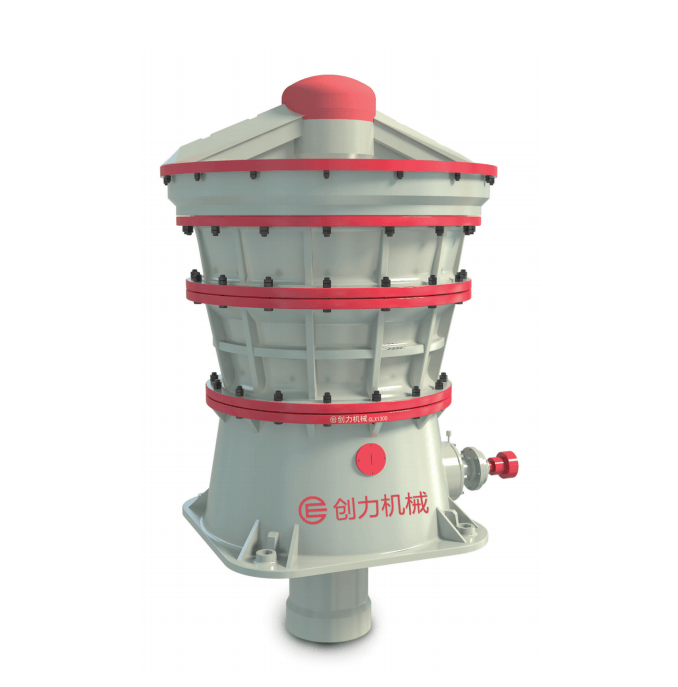
CLX Series Intelligent Hydraulic Gyratory Crusher
Guangdong CHUANGLI intelligent machinery Equipment Co., LTD
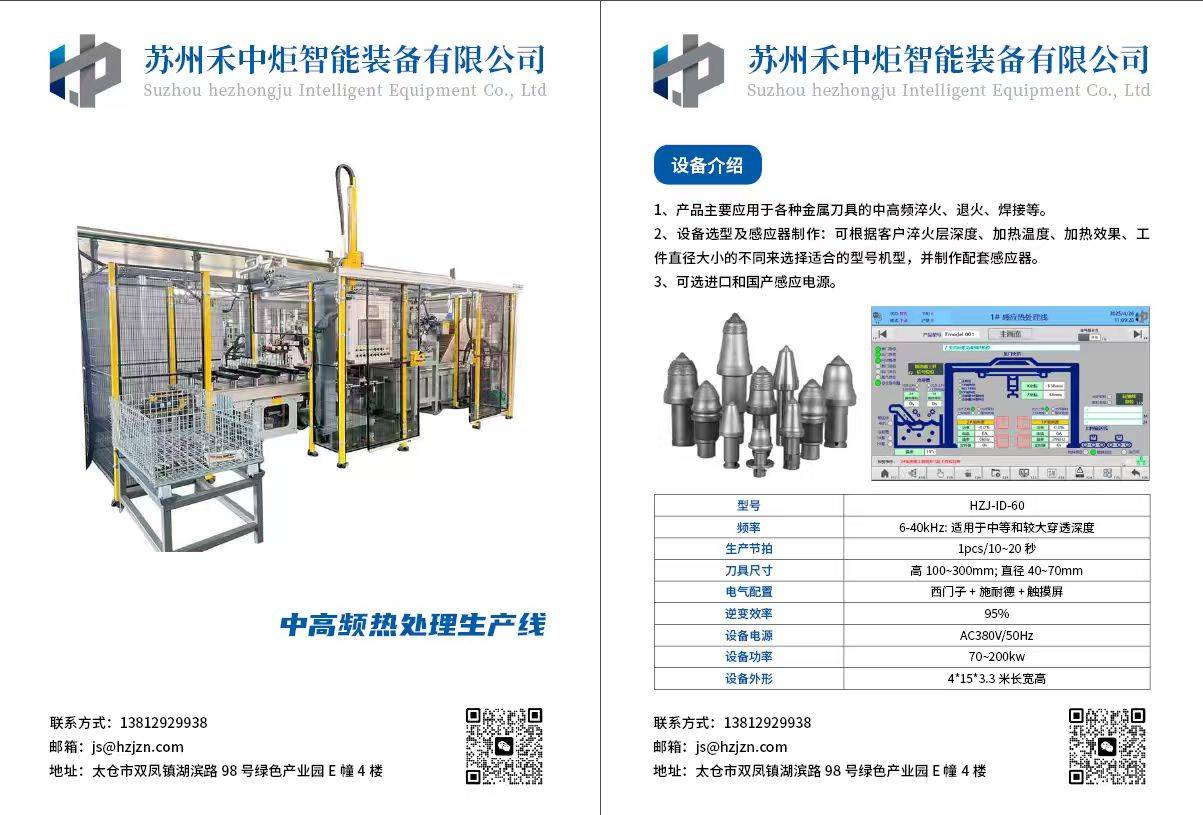
Excavator Bucket Teeth Heat Treatment Production Line
Suzhou Hezhongju Intelligent Equipment Co., Ltd.