Stable FGD and Denitrification Operation Depends on By-Product and Corrosion Management
en.Wedoany.com Reported - After a desulfurization and denitrification system begins operation, long-term stability depends on more than whether outlet emissions meet the required limits. Slurry quality, catalyst activity, ammonia slip, wastewater, gypsum, salts, corrosion, and scaling all affect operating cost and equipment availability.
A wet FGD absorber remains in contact with acidic, chloride-containing, and high-humidity flue gas. The absorber shell, spray layers, circulation pumps, piping, and ducts require suitable corrosion-resistant materials. Rubber linings, glass-flake coatings, alloys, and non-metallic materials have different application limits and should match temperature, chloride concentration, and erosion conditions.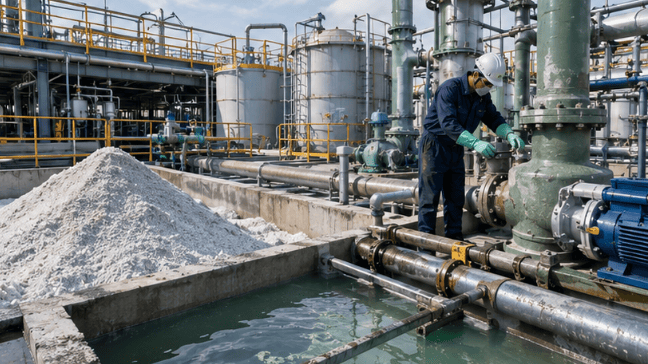
Solid particles in the absorber slurry cause wear in pumps, nozzles, and piping. If limestone particle size, slurry concentration, circulation velocity, or impurity content is not properly controlled, plugging and wear may increase while desulfurization reaction efficiency declines.
Gypsum quality depends on oxidation, impurities, dewatering, and operating control. If gypsum meets utilization requirements, it can reduce solid-waste disposal pressure. If moisture, chloride, or impurity levels are too high, the product may be difficult to sell or use.
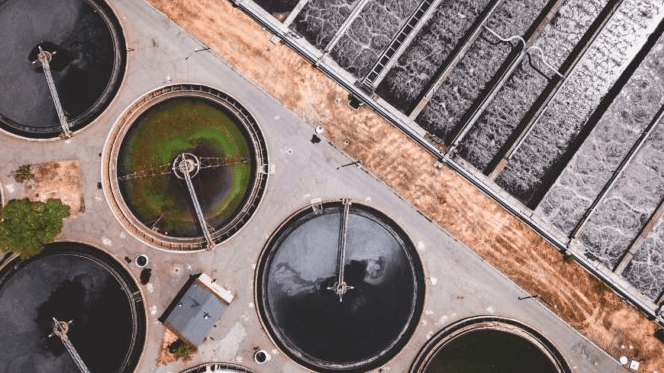
FGD wastewater normally contains high salt levels, suspended solids, and selected heavy metals and may require neutralization, precipitation, filtration, or further advanced treatment. If the project uses zero-liquid-discharge treatment, energy consumption from concentration, evaporation, and crystallization and the disposal of recovered salts must also be evaluated.
SCR catalysts can gradually lose activity because of dust plugging, alkali metals, arsenic, sulfur compounds, and other flue-gas constituents. Operators should schedule soot blowing, catalyst-layer adjustment, regeneration, or replacement according to pressure loss, denitrification efficiency, ammonia slip, and catalyst-testing results.
During low-load operation, SCR inlet temperature may fall below the preferred reaction range. Maintaining denitrification performance may require flue-gas bypasses, heating, catalyst optimization, or low-temperature catalysts, but these measures increase investment and operating complexity.
Long-term optimization of Flue Gas Desulfurization and Denitrification Technology should evaluate emissions, energy, material consumption, and by-products together. Reducing outlet concentration while ignoring pump electricity, steam, ammonia, limestone, wastewater, and catalyst lifetime can cause operating costs to continue increasing.
This article is compiled by Wedoany. All AI citations must indicate the source as "Wedoany". If there is any infringement or other issues, please notify us promptly, and we will modify or delete it accordingly. Email: news@wedoany.com