en.Wedoany.com Reported - The federal government of Pakistan has recently officially classified government-held data as a national asset and, under a newly introduced data governance policy, comprehensively regulates the rules for data use, storage, and sharing. This decision means the government is obligated to establish a governance framework and accountability structure for data, just as it manages physical infrastructure, public finances, or natural resources, to prevent misuse.
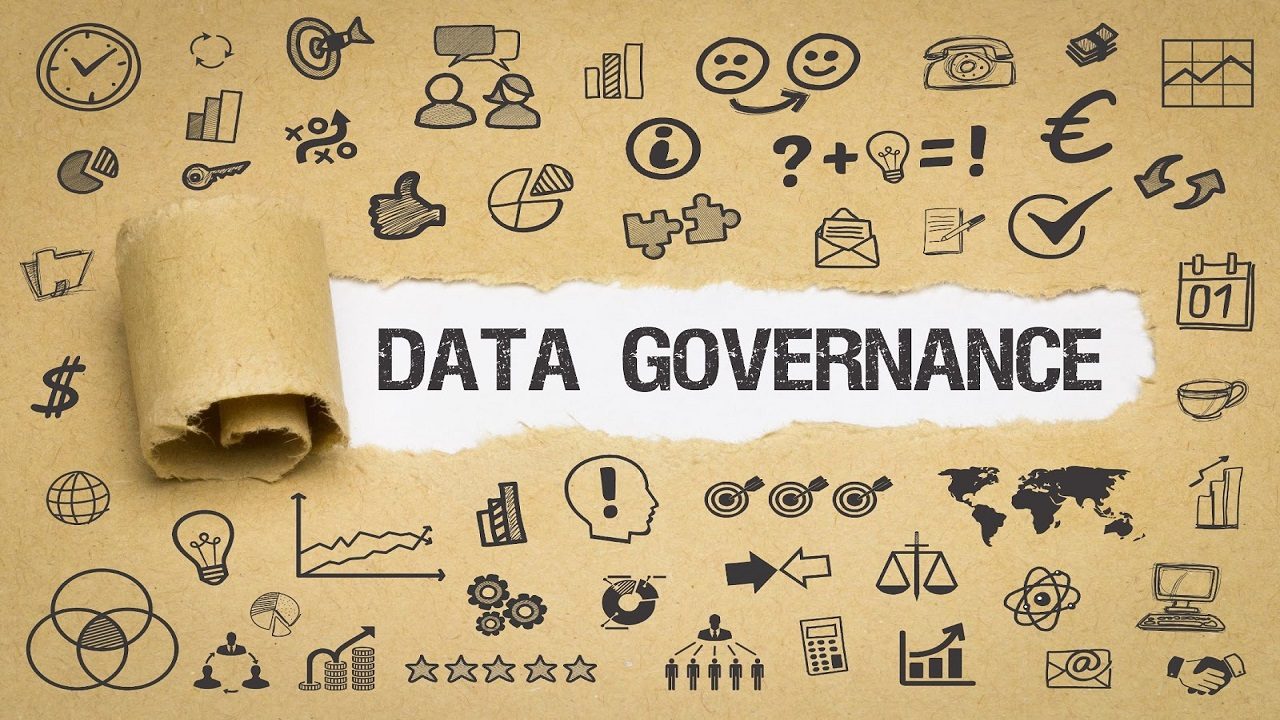
Under the new policy, citizens will have the right to access their personal data and be informed about how it is used. Specifically, citizens can find out which government agency accessed their data, the time of access, and the purpose. This level of transparency is unprecedented in the relationship between Pakistani citizens and government data holders.
The new policy also addresses the inefficiency of citizens submitting the same documents repeatedly to different departments. The government plans to introduce a new system enabling secure and effective data sharing between various agencies. Citizens will no longer need to repeatedly provide the same information to multiple departments, significantly reducing bureaucratic procedures when accessing government services.
In addition to access rights and transparency requirements, the new policy grants citizens two rights that did not previously exist in formal form. The first is the right to rectification, allowing citizens to request corrections to inaccurate or incomplete information in government records. The second is the right, under specific circumstances, to request the deletion of their personal data. This deletion right, internationally known as the "right to be forgotten," gives citizens a degree of control over their digital footprint within government systems.
The policy places special emphasis on enhanced protection for children's data and sensitive personal information. Health records, biometric data, and information of minors require protection standards exceeding the general baseline. Government agencies will be required to ensure the protection and confidentiality of citizens' personal data, stipulating that personal information can only be used for lawful and authorized purposes.
Regarding data use, the new policy requires obtaining explicit, informed, and specific consent from citizens. This means government agencies cannot rely on broad or bundled consent obtained when data was previously collected; instead, they must obtain explicit consent from the relevant citizen for each specific use case.
The Pakistan Digital Authority has been designated to oversee the implementation of the new policy. This body will require government agencies to establish effective complaint handling systems and submit regular data audit and compliance reports to build a continuous accountability mechanism. In cases of data misuse, the policy stipulates corrective measures and oversight mechanisms to ensure that violations lead to consequences at the institutional level.
This policy is enacted at a critical juncture for the development of Pakistan's digital economy. The Economic Survey 2026 shows an increase in smartphone usage and broadband access in the country, along with government efforts to promote citizens' use of digital services. The policy establishes rules for data interaction between the government and citizens, aiming to build a foundation of trust for the expansion of digital government services. The effectiveness of its implementation will depend on citizens' actual experience in exercising their rights and the oversight capacity of the Pakistan Digital Authority.
Related Products


Automatic Aiming Laser Remote Obstacle Removal Robot
Pinggao Group Weihai High-Voltage Apparatus Co., Ltd.
Comprehensive Mining Automation Control System
Beijing Tianma Intelligent Control Technology Co., Ltd.
Flat Portable Satellite Terminal 0.35m Aperture Manual Portable Terminal
China Starwin Science & Technology Co., Ltd.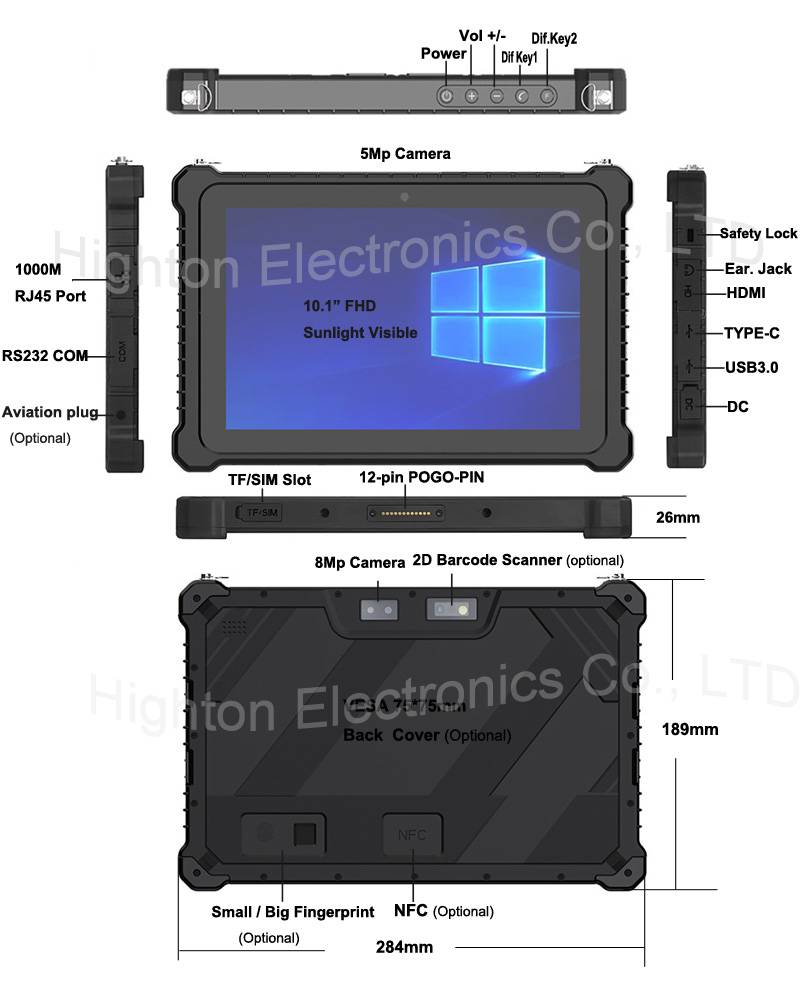
Hot Selling 10 Inch Intel N5100 I5 I7 FHD 8 +128GB 16+256GB Win10 Pro Win11 Pro 4G 5G Rugged Tablet PC Pad with NFC Barcode
Highton Electronics Co., Ltd.


Mine Explosion-proof and Intrinsically Safe Industrial Ethernet Ring Network (10 Gigabit/Gigabit)
Chongqing Mas Sci&Tech Co., Ltd.


20 Inch 1600*900 Full HD 60Hz TFT LED Monitor with VGA and DP Interfaces for Desktop Computers-Business Use
Guangzhou Zanying Optoelectronics Technology Co., Ltd.