US Automate 2026: Humanoid Robot Annual Installations Expected to Reach 60,000 Units
en.Wedoany.com Reported - Humanoid robotics technology has made significant progress, but factors such as scalability limitations and costs mean it still has a long way to go before full deployment on production lines. This was the consensus from an executive panel discussion at the Automate 2026 trade show.
At the recent exhibition in Chicago, dozens of industrial robotic arms and mobile robots demonstrated specific skills such as welding and spraying. Humanoid robot booths capable of interacting with visitors, dancing, and even making lattes became the center of attention.
"There's no doubt there's a lot of hype," said Jim Brown, Chief Commercial Officer of Teradyne Robotics, during a panel discussion on the future of automation. He believes people are attracted to the "form factor" of humanoid robots but may not be considering the actual problems these devices are meant to solve.
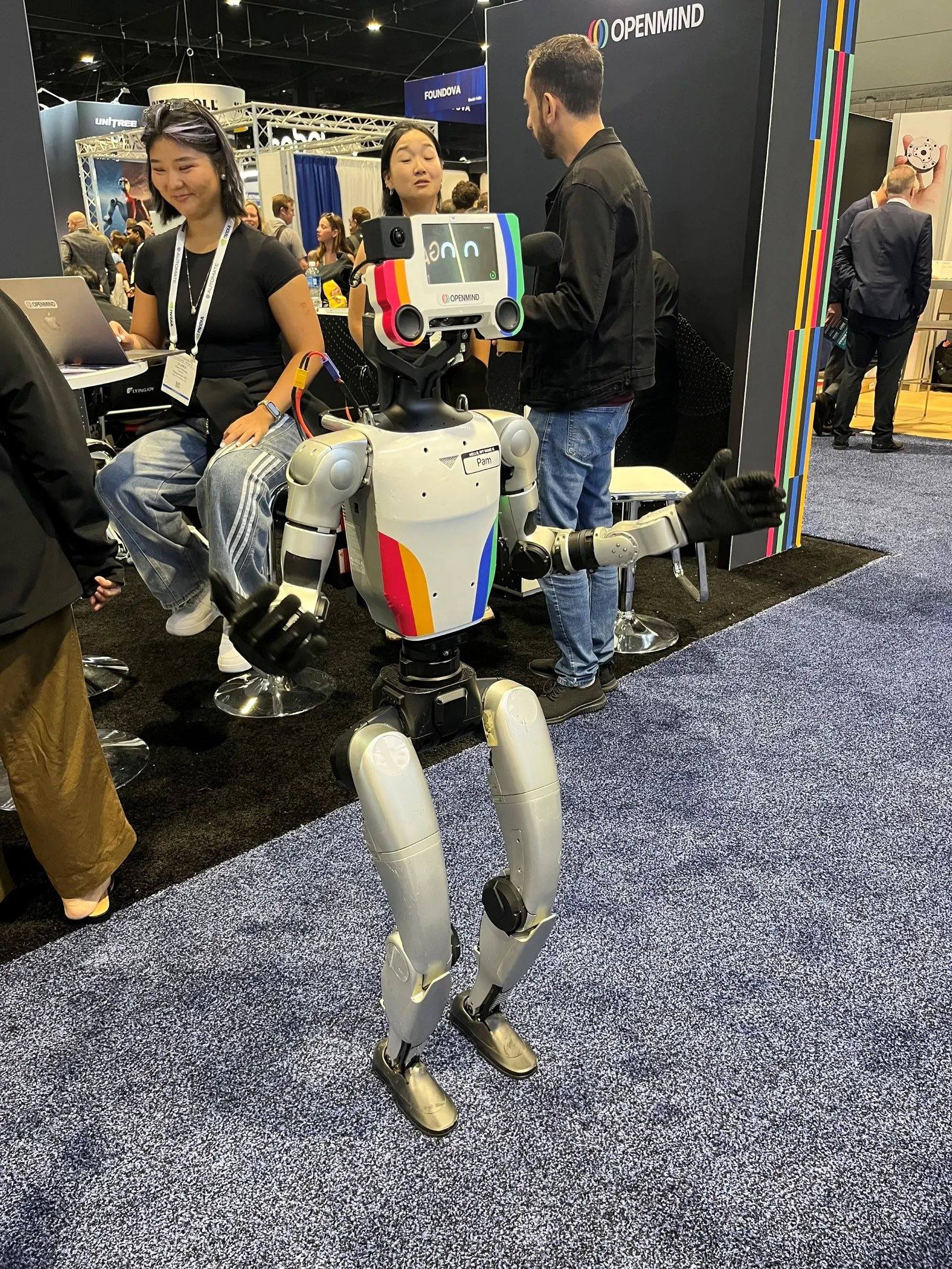
Several companies have already purchased humanoid robots or begun trials. Hyundai plans to deploy its Boston Dynamics Atlas humanoid robot at its electric vehicle plant in Savannah, Georgia, by 2028. Agility Robotics is preparing for an IPO, with its Digit humanoid robot already piloted at Amazon warehouses and plans to expand deployment at Toyota's manufacturing base in Canada. Despite the surge in interest, Brown noted that questions remain regarding the scalability and application of humanoid robots. One challenge is their operating cost, particularly power consumption. "It requires a lot of electricity. These devices are not extremely efficient right now. I think there are many other technologies that can do everything a humanoid robot can do," he said.
Alternatives include autonomous mobile robots and automated guided vehicles that rely on wheels for movement, as well as industrial robotic arms fixed at production stations to perform heavy, dangerous, or repetitive tasks. There are also collaborative robots for tasks such as palletizing and quality inspection.
According to research by Barclays Investment Bank, global humanoid robot installations reached 2,000 units in 2024 but are accelerating, with expectations of reaching 60,000 units this year. This growth is driven by a sharp decline in production costs over the past decade, along with technological advancements, a surge in investment, and the reshoring of U.S. manufacturing.
"My view on humanoid robots changes every day," said Robert Little, head of a robotics consulting firm, during the panel discussion. He co-founded ATI Industrial Automation and led the company after its acquisition by Novanta in 2021. He described humanoid robots as "incredible devices" that have developed rapidly over the past three years. "Three years ago, people couldn't have guessed they would be this good. The pace of progress is so fast that I can't keep up. The amount of money poured into R&D is unprecedented." According to Crunchbase data, robotics startups raised over $18.8 billion in the first half of 2026, compared to a record $15 billion for the entire previous year. Saronic, a defense tech startup based in Austin, Texas, focused on autonomous maritime vessels, completed a Series D round of over $1.75 billion in March. Neura Robotics, based in Germany and backed by Nvidia and Amazon, completed a Series C round in June.
"The debate about wheels, legs, and humanoid forms doesn't matter," Little said. "Robots will take the form that customers want. I believe industry will get some form of humanoid assistance, which will emerge at the manufacturing level within the next decade, eventually penetrating retail and home domains, but we are far from that."
The revival of U.S. manufacturing has driven growth in demand and investment for various forms of robots and autonomous machines. Reshoring initiatives and changes in the trade landscape have spurred billions of dollars in factory expansions and construction projects in the semiconductor, automotive, pharmaceutical, and defense sectors. "Because so many U.S. manufacturers are considering facility construction, the demand for robots has only accelerated," Little said.
Looking ahead, executives at the event highlighted both opportunities and concerns. Brown believes that artificial intelligence and advanced technologies will "democratize robotics," benefiting manufacturers of all sizes, and that the younger generation will be more adaptable to robots. Little noted that labor and skills gaps remain issues, requiring initiatives and training programs. Jan Louwen, Global AGV Director at Stäubli Robotics, cautioned that the industry needs a clear understanding of what it can currently offer customers, avoiding overpromising that could hinder development. Mikell Taylor, Director of Robotics Strategy at General Motors' Autonomous Robotics Center, pointed out that while companies are beginning to pilot physical AI, "I don't think anyone has actually deployed it yet." She emphasized that AI-driven robots could hallucinate like large language models, making incorrect choices about how to pick up a package. "An 80% success rate in the lab is remarkable, but an 80% success rate in production is failure, and there is still a long way to go to bridge that gap."
Related Products
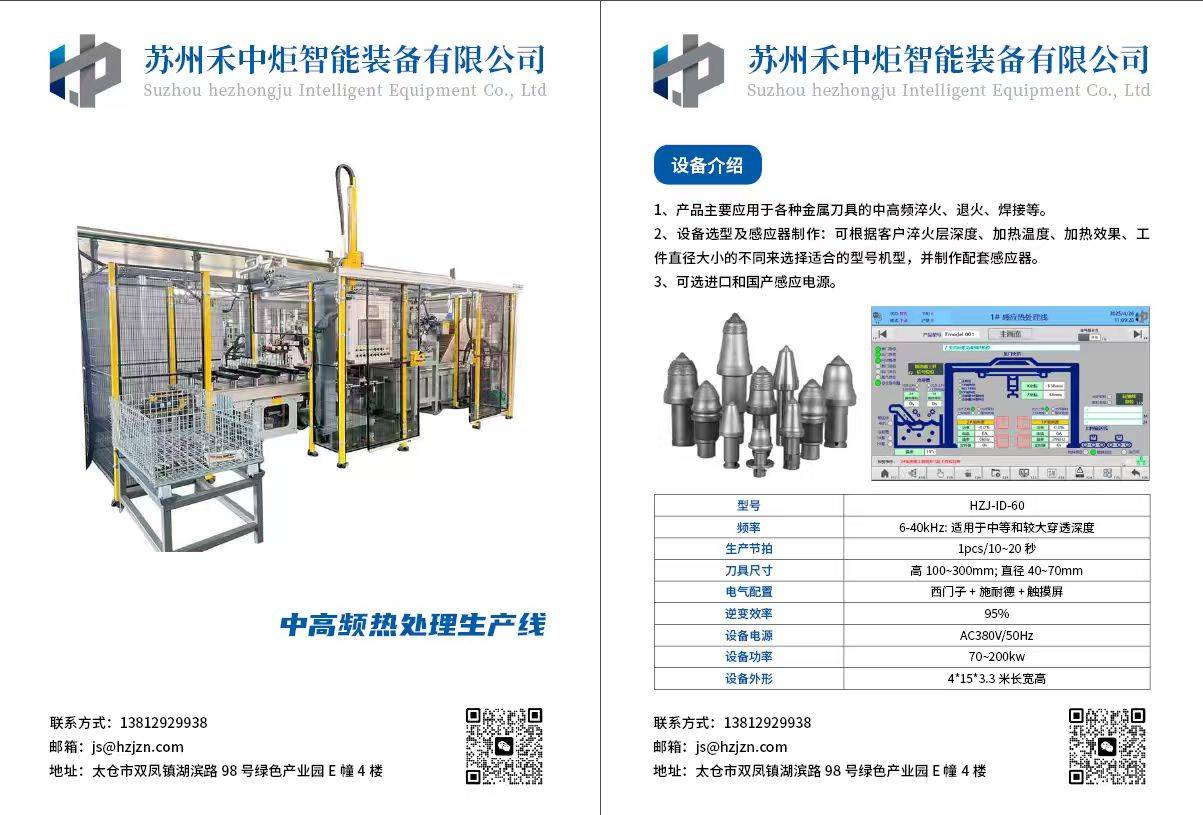

Excavator Bucket Teeth Heat Treatment Production Line
Suzhou Hezhongju Intelligent Equipment Co., Ltd.
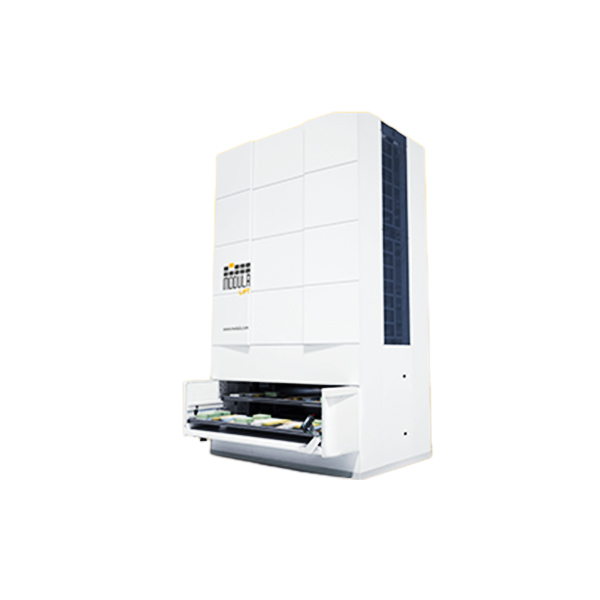

Industrial and Commercial Point-Type Gas Detector
Jinan Benan Technology Development Co., Ltd.

CAP1400 main feedwater flow nozzle flowmeter.
Jiangsu Hongda Instrument Technology Co., LTD.
Strip Coating and Plating Production Line Equipment
MCC-SFRE HEAVY INDUSTRY EQUIPMENT CO., LTD.
Standard Nozzle Flowmeter
Jinggong Automatic Control Instrument Complete Technology Development Company