Iraq Plans to Expand 25 GW Power System to Strengthen the Grid
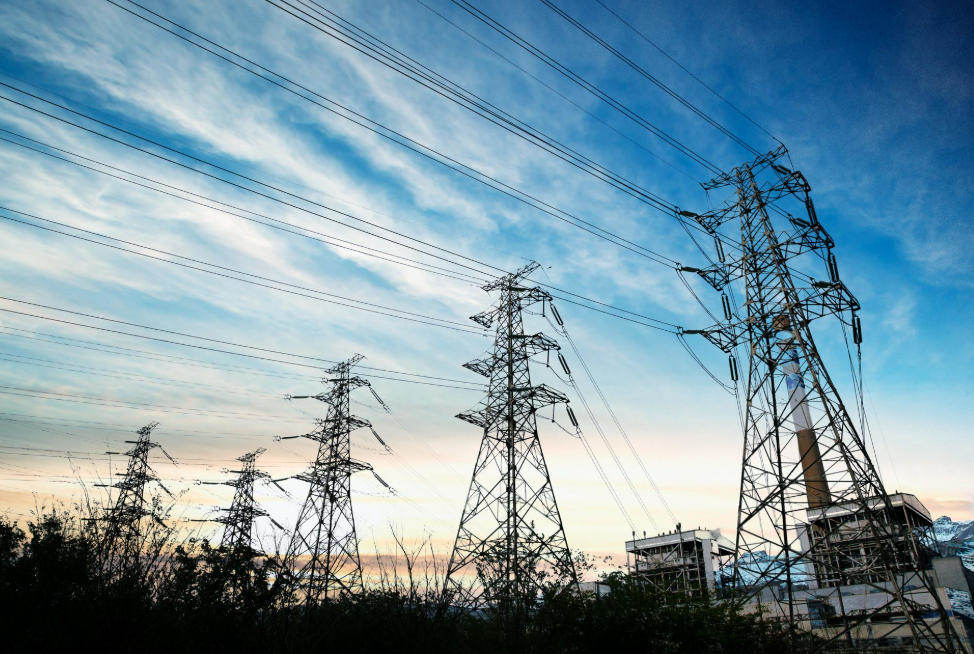
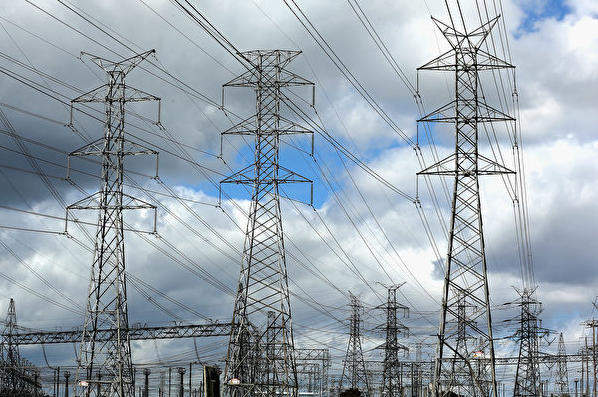
en.Wedoany.com Reported - The Iraqi government has announced a major plan to strengthen the country's power sector by signing new contracts to add 25,000 megawatts (MW) of generating capacity. The announcement was made by Iraqi Prime Minister Ali Faleh al-Zaidi during a regular cabinet meeting. This expansion is part of the government's long-term strategy to improve the national power system and address the country's persistent electricity shortages.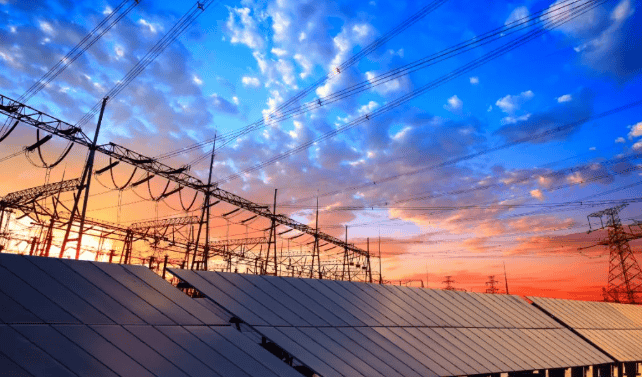
To support this large-scale expansion, the government plans to increase allocations for the power sector in the 2027 federal budget. The upcoming budget is being prepared under a project-based framework that focuses on linking government spending to specific goals and measurable outcomes. Officials believe this approach will help ensure that investments are directed toward projects that improve power generation, strengthen infrastructure, and meet the country's growing energy needs.
The additional funding is expected to support the construction of new power plants, the modernization of existing facilities, and upgrades to the national grid. These investments are considered necessary as Iraq's electricity demand continues to rise due to population growth, urban development, and increasing industrial activity.
Iraq has suffered from electricity shortages for years, especially during the summer when temperatures soar and power consumption peaks. Many households and businesses still experience frequent blackouts as the country's power system fails to meet peak demand. Aging infrastructure, limited domestic fuel supplies, insufficient transmission capacity, and years of underinvestment have all contributed to these challenges. Although Iraq has recently achieved record-high power generation, supply still falls far short of demand during peak hours.
The planned addition of 25,000 MW of generating capacity would be one of the largest expansions in Iraq's power sector. If successfully completed, it would significantly increase the national power supply and narrow the gap between electricity supply and demand.
However, experts believe that increasing generating capacity alone will not fully solve Iraq's power problems. They point out that the government must also invest in expanding transmission lines, upgrading substations, and ensuring a reliable fuel supply for new power plants. Without improvements in these areas, the additional electricity may not be effectively delivered to consumers.
The government has not yet released details such as the project timeline, the technology to be used, or the total investment required. More information is expected to be disclosed as work on the 2027 federal budget progresses. The plan reflects Iraq's broader efforts to modernize its energy sector, reduce dependence on imported electricity, and build a more reliable and sustainable power system for the future.
Related Products
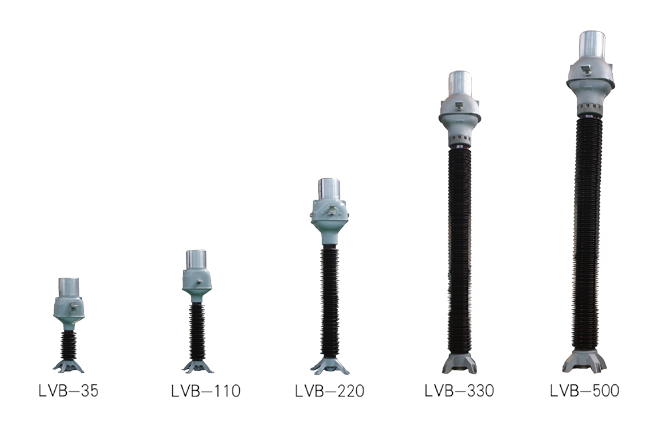

LVB Series 35-500kV Oil-immersed Inverted Current Transformer
Shandong TaiKai Instrument Transformer Co., Ltd.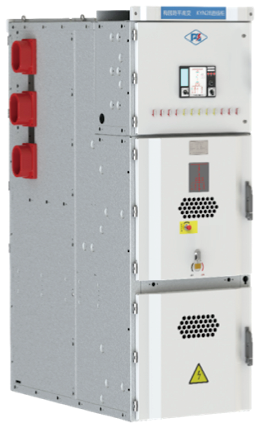
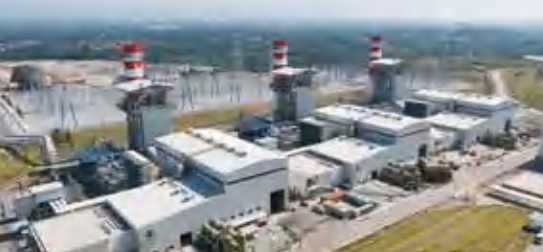
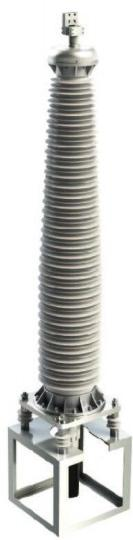
220kV Composite Outdoor Cable Terminal
Shenyang Guolian Cable Accessories Manufacture Co., Ltd.


CAP1400 main feedwater flow nozzle flowmeter.
Jiangsu Hongda Instrument Technology Co., LTD.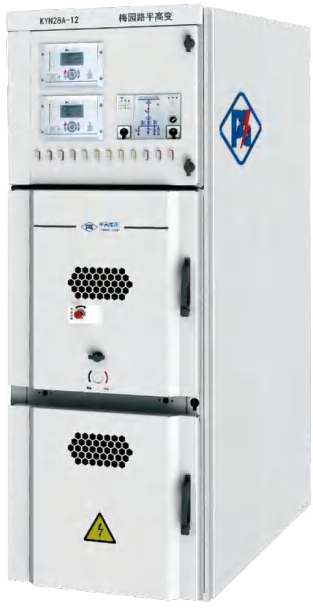
KYN28A-12 Metal Armored Removable Switchgear
Tianjin Ping Gao Intelligent Electric Co., Ltd.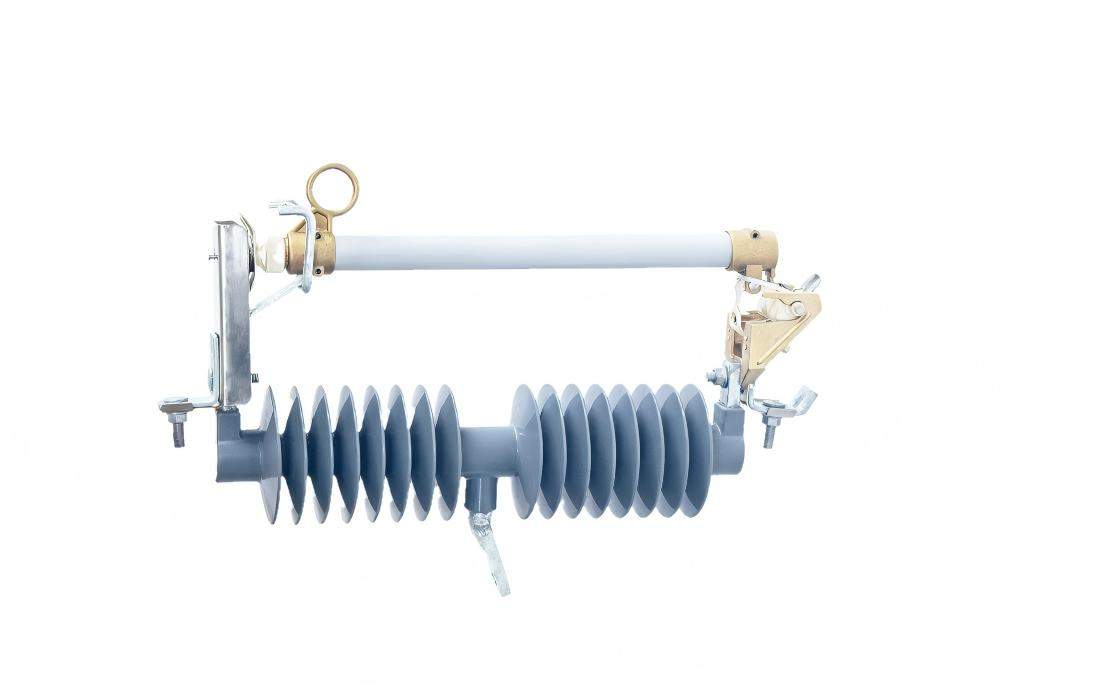
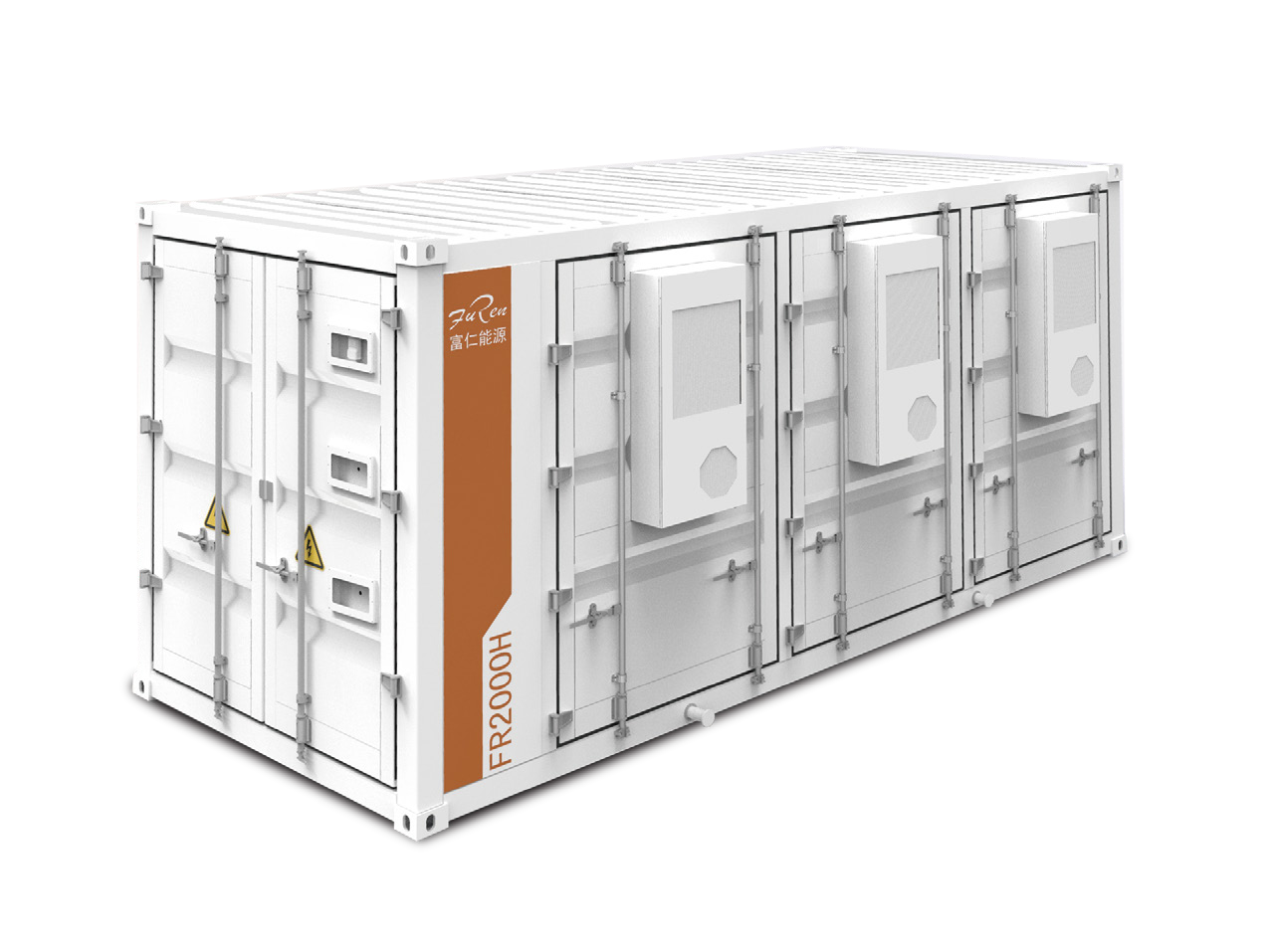
FR2000H 2.15MWh (Air-cooled) 20-foot Containerized Energy Storage System
Jiangyin Furen High-tech Co., Ltd.