Australia's Vocus invests AUD 500 million in Sydney-Melbourne ducted fiber optic line
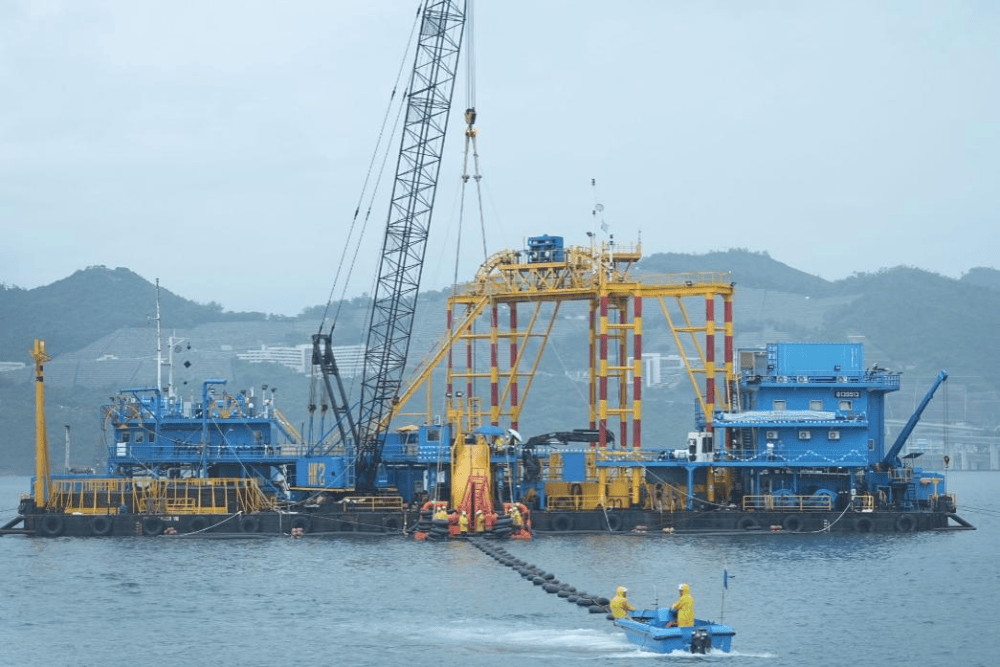
en.Wedoany.com Reported - Vocus plans to build Australia's first ducted long-haul fiber optic line between Sydney and Melbourne, costing AUD 500 million (approximately USD 344.5 million), with an expected operational date of 2029.
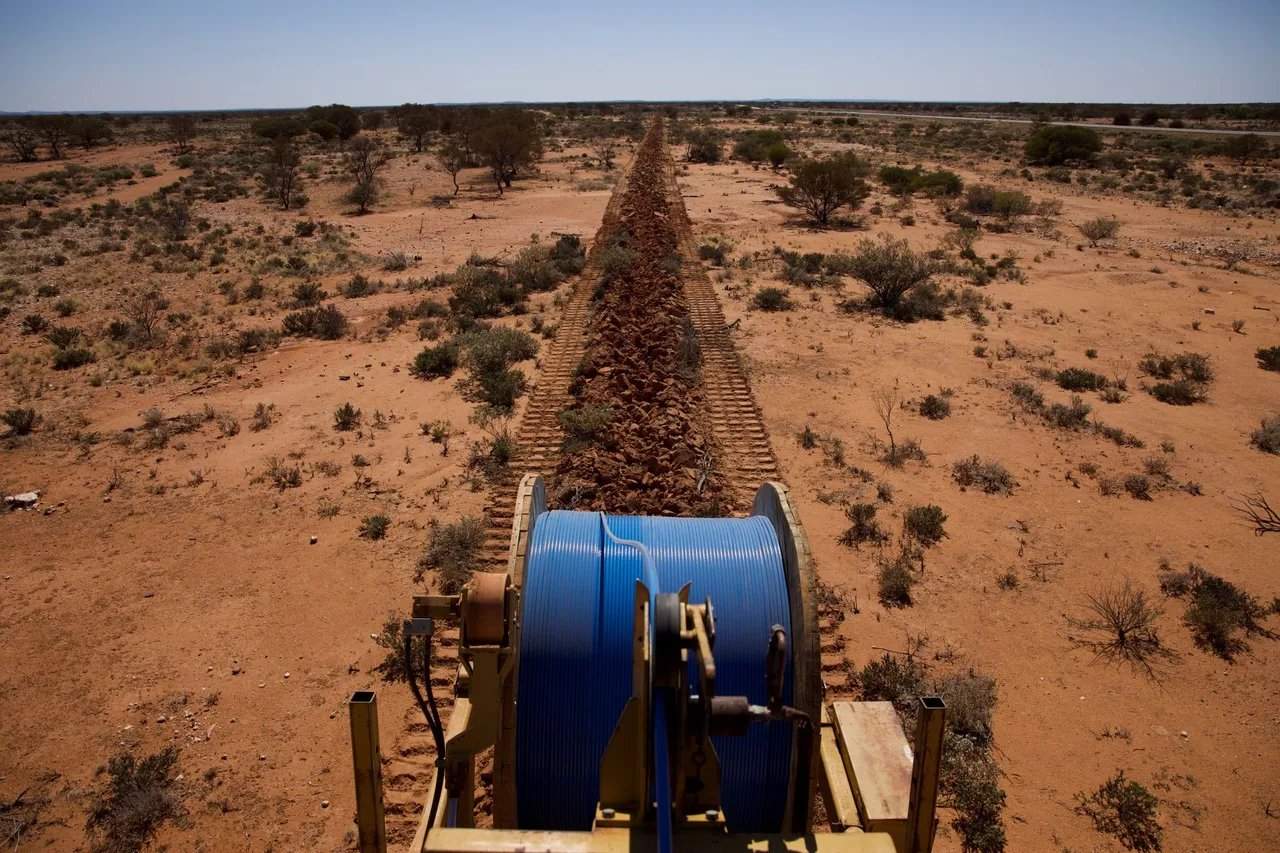
This project is the first initiative of the Australian Digital Infrastructure Platform (AIDP). Launched by Vocus, AIDP is a multi-year strategy aimed at addressing Australia's growing fiber capacity gap amid the AI boom. Vocus stated that the new platform requires significant investment, including thousands of kilometers of new fiber optic lines and fiber pairs, as well as hundreds of terabits of capacity. These investments will focus on regions capable of meeting the land, water, and power demands of large-scale AI workloads.
In a statement, Vocus CEO Andrés Irlando noted that Australia currently lacks sufficient terrestrial and submarine networks to support existing and future AI workloads, a situation similar to many countries worldwide. Through AIDP, Vocus will meet the growing customer demand for high-capacity, sovereign fiber networks built to global standards. He emphasized that the Sydney-Melbourne corridor currently carries approximately 40% of the country's long-haul data traffic, but without new investment, it will soon face supply shortages.
Vocus estimates that by 2030, Australia's data center capacity will triple, with AI workloads expected to drive 85% to 95% of long-haul fiber demand and 70% to 80% of metro demand.
The Sydney-Melbourne line will be Australia's first intercapital long-haul fiber optic line to deploy ducted infrastructure. This technology is already standard among leading AI and cloud service providers in North America and Europe but has never been used for long-haul lines in Australia. Traditional practice involves burying fiber directly underground, whereas the ducted method places fragile glass fibers inside protective conduits. This allows Vocus to upgrade capacity by blowing additional fiber pairs into the ducts without re-excavating the ground or disrupting existing customer lines. The new line can accommodate up to 6,912 fiber cores, equivalent to approximately 3,456 fiber pairs.
Vocus Chief Technology Officer Nikos Katinakis stated that the decision to use ducted technology for the new line was a deliberate consideration for future flexibility and resilience. Building a ducted long-haul fiber network requires higher standards and greater costs but avoids the need for future ground-breaking or interference with existing customer networks to add capacity.
Just before announcing the Sydney-Melbourne line, Vocus completed two upgrades to its national fiber network over the past few weeks. Over a week ago, the company activated the 2,000-kilometer-long Horizon terrestrial cable, extending from Perth through Western Australia's Mid West and Pilbara regions to Port Hedland. It provides up to 38 Tbit/s of bandwidth to the inland Pilbara region, with room for expansion beyond 90 Tbit/s.
Vocus noted that most national networks follow easier-to-build coastal routes between capital cities, bypassing regional towns. The company chose to build inland, directly reaching the mines, farms, and towns that drive the regional economy. Economic activity in this area is far from the coast, requiring construction in some of Australia's most challenging geographical conditions. With the Horizon cable operational, Vocus provides the Pilbara region with three physically diverse paths to Perth and beyond, offering built-in redundancy. These paths include the terrestrial route via Horizon, the submarine route via the North-West Cable System (NWCS), and the northern route via the Darwin-Jakarta-Singapore Cable (DJSC) system. The DJSC system provides faster, direct connectivity to Asia.
Vocus pointed out that the Horizon cable closes the western loop of its national network, which now resembles a figure eight on the map of Australia. If a core network cable is cut on one side, most customer data services can be rerouted around the other side of the loop or back to Australia via international submarine cables.
Meanwhile, Vocus recently completed a major upgrade to its Adelaide-Perth 2 (AP2) fiber optic line, tripling capacity on one of Australia's key corridors. The AP2 upgrade follows the AP1 upgrade on the Adelaide-Perth line in 2025, which enabled the company to provide 400G coast-to-coast services between Sydney, Melbourne, and Brisbane in the east and Adelaide and Perth in the west. The two lines merge to form a dual-system optical platform spanning 2,700 kilometers, with four times the capacity of the previous generation.
Related Products
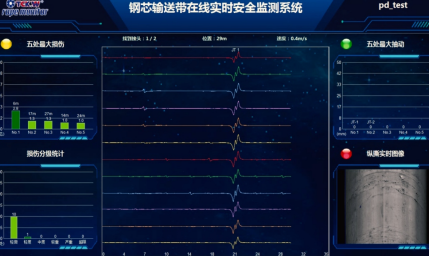

Conveyor Belt Intelligent Monitoring System
LUO YANG WIRE ROPE INSPECTION TECHNOLOGY CO., LTD.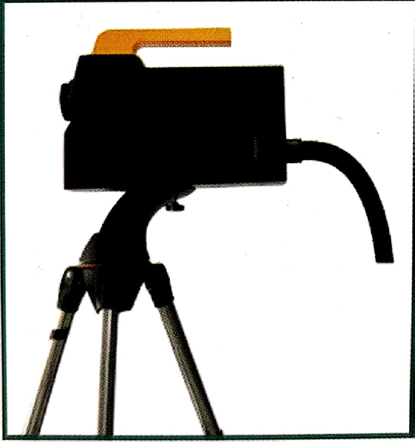
Automatic Aiming Laser Remote Obstacle Removal Robot
Pinggao Group Weihai High-Voltage Apparatus Co., Ltd.
G.652.D Wavelength-extended Non-dispersion Shifted Single-mode Optical Fiber
HONGAN GROUP CO., LTD.
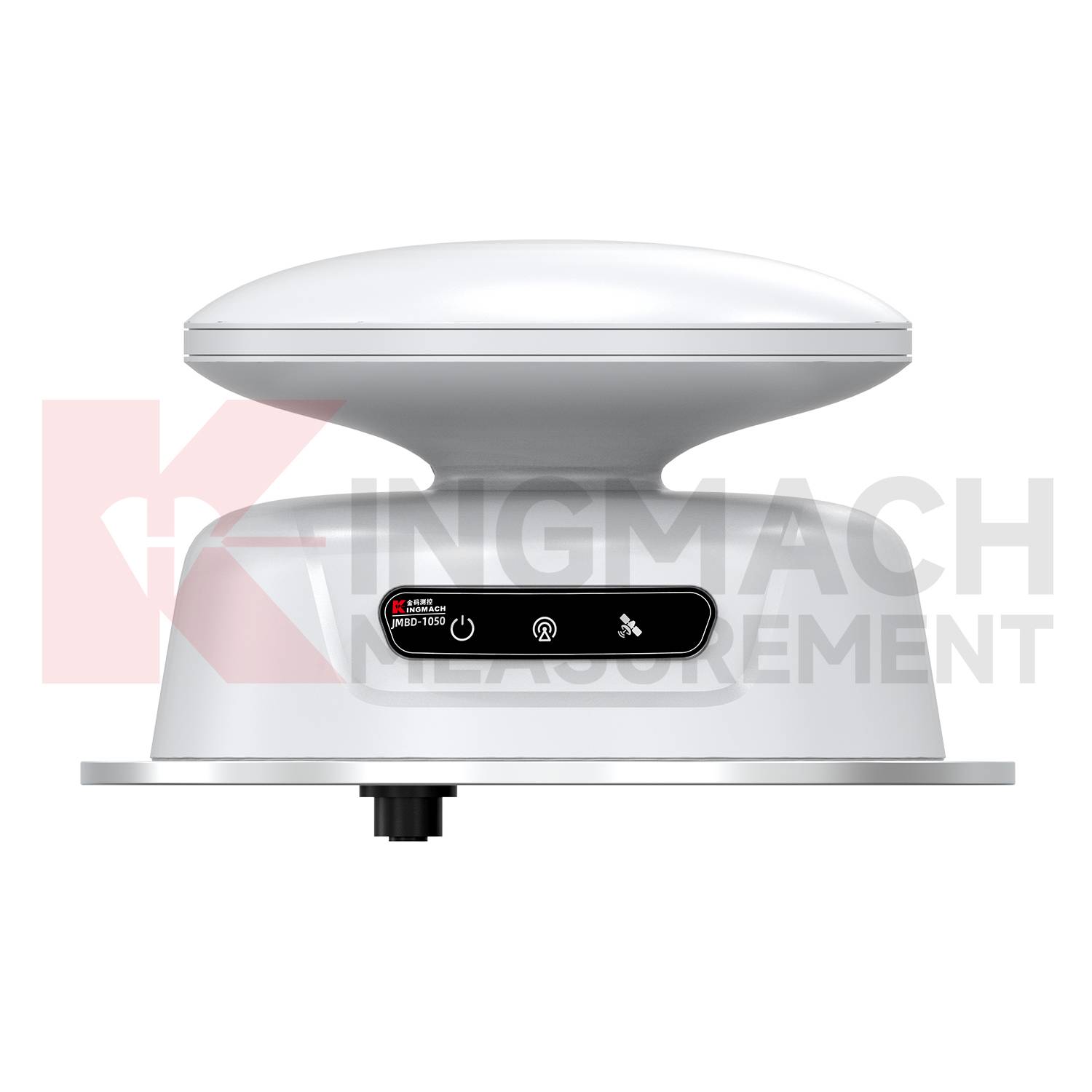

Industrial and Commercial Point-Type Gas Detector
Jinan Benan Technology Development Co., Ltd.

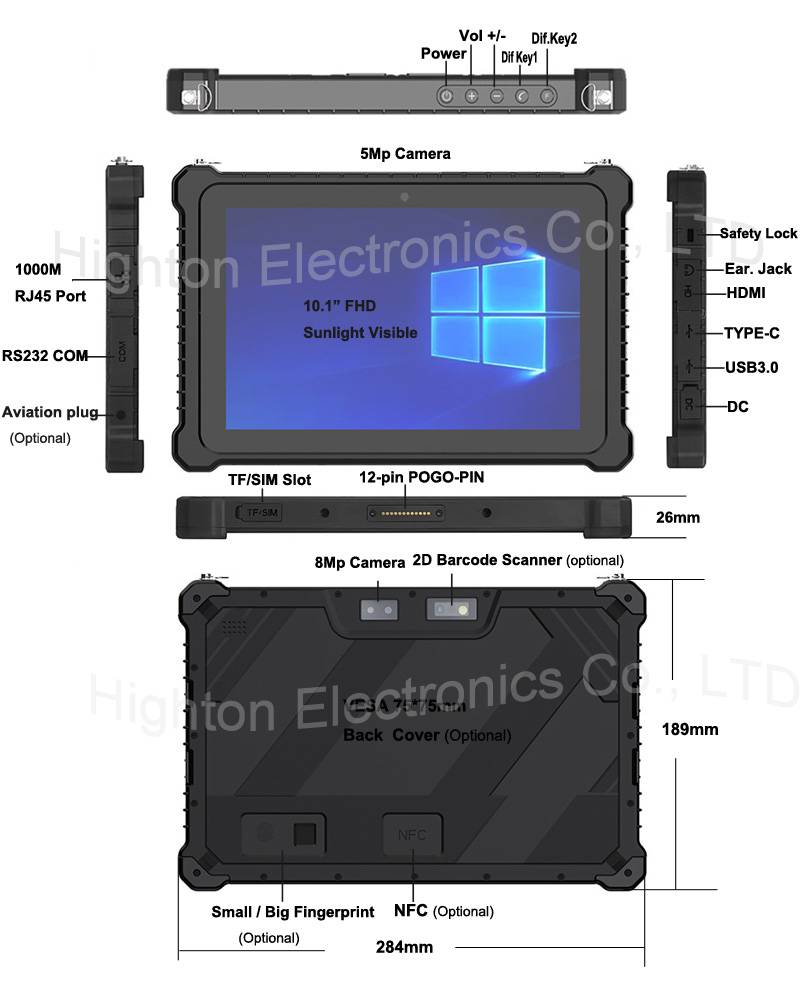
Hot Selling 10 Inch Intel N5100 I5 I7 FHD 8 +128GB 16+256GB Win10 Pro Win11 Pro 4G 5G Rugged Tablet PC Pad with NFC Barcode
Highton Electronics Co., Ltd.