Africa Data Center Investment Market Expected to Reach $8.76 Billion by 2031
en.Wedoany.com Reported - A report released by global research and consulting firm Arizton shows that the Africa data center investment market is expected to reach $8.76 billion by 2031, an increase of $5.12 billion from the cumulative $3.64 billion in 2025, with data center capacity projected to reach 348 megawatts during the same period.
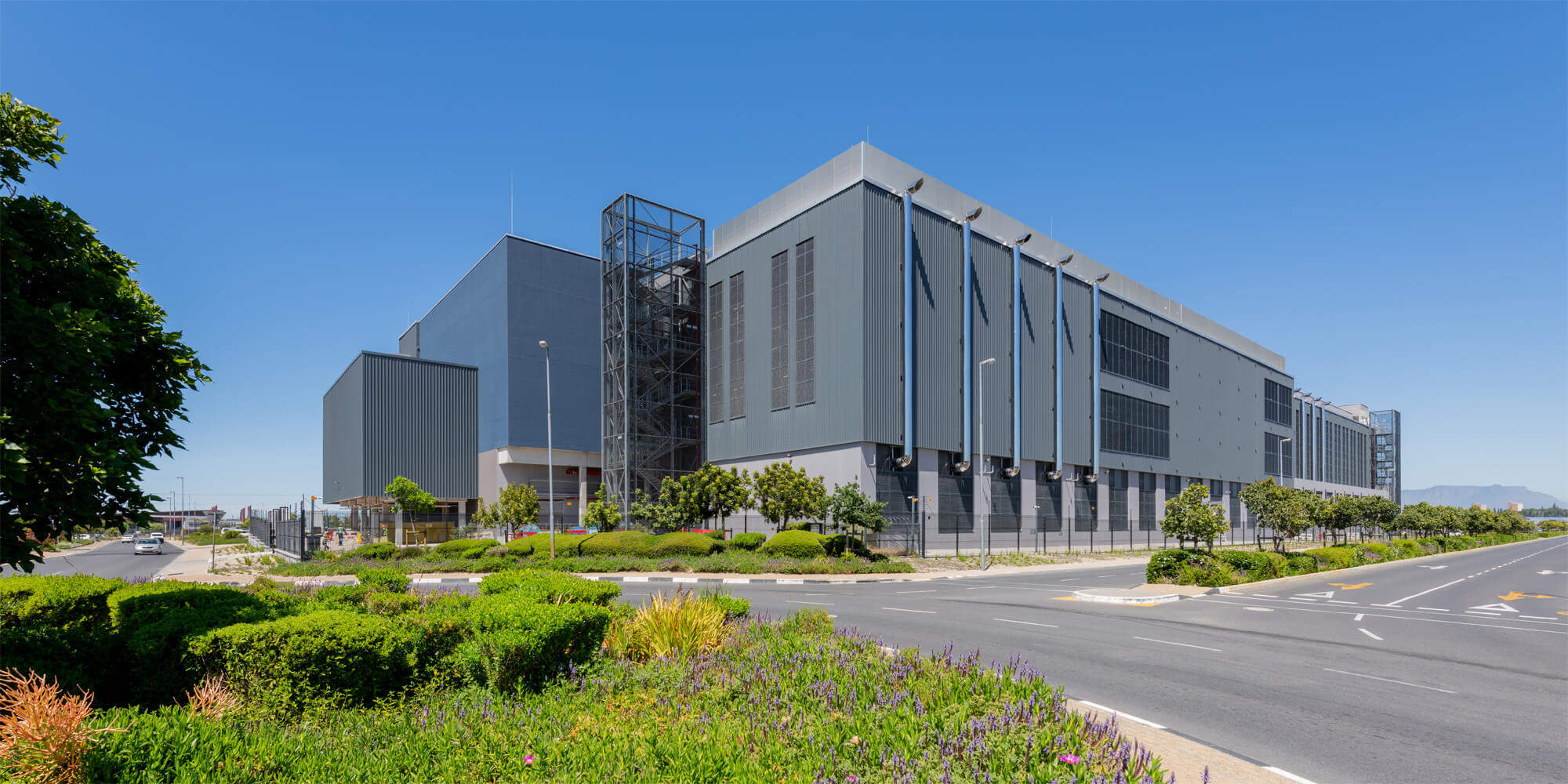
Reasons for Africa becoming a hotspot for data center investment include the availability of renewable energy, continuous improvements in connectivity, and the combination of mature and emerging digital markets driven by demand for digital services and transformation.
South Africa, Kenya, Nigeria, and Egypt have attracted the majority of investment in the past, but emerging markets such as Morocco and Tunisia are increasingly gaining popularity among investors. For Morocco and Tunisia, their proximity to Europe and substantial investments in submarine cables have attracted investors. The low-latency connectivity provided by these submarine cables links them to Europe and other parts of the world, prompting operators to prefer establishing operations in African countries. One investment leads to another, and soon data center operators flood the market, benefiting both themselves and the local economy. The practices of Africa's four largest economies demonstrate that driving digital transformation can attract investment.
Energy remains a major obstacle to data center development on the continent. Africa has long faced energy supply issues. According to the International Energy Agency, the continent accounts for only 6% of global energy use and less than 3% of energy-related carbon dioxide emissions, primarily due to low per capita consumption, largely because 600 million people have no access to electricity at all. However, Africa is a vast continent with enormous potential to harness its abundant solar, wind, and hydropower resources, waiting to be developed.
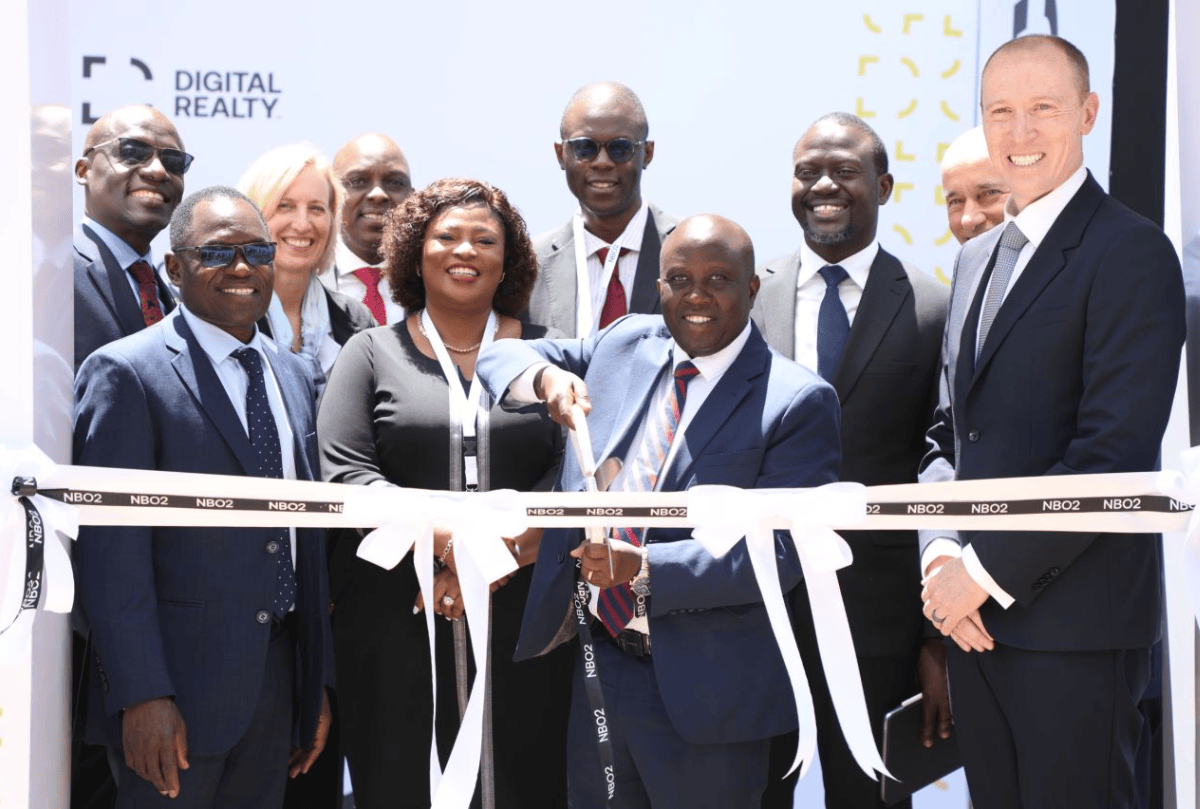
Teraco, a subsidiary of Digital Realty and a data center operator, signed a wind power supply agreement with NOA in 2025, shortly after breaking ground on its own 120-megawatt solar photovoltaic power plant. On the other side of the continent, Egypt is heavily investing in renewable energy, aiming for 42% of its electricity to come from renewable sources by 2030. Power projects relying on renewable energy will continue to attract investment, but infrastructure also needs to be part of the discussion, as in mature markets, transmission grids are often outdated and unable to deliver additional power where it is needed. Although the situation is changing, legislation in many African countries remains a barrier, causing investors to turn to other regions.
Connectivity remains a thriving investment area in Africa, particularly in Egypt. According to Arizton, the Egyptian market already has up to 17 submarine cables landing, with another six under development. Kenya and West Africa are also markets experiencing a connectivity boom, as these countries recognize the importance of resilient and redundant connectivity.
Although Africa has the potential to become a digital infrastructure powerhouse, this potential has not yet been realized in a meaningful way. This is not only due to energy constraints but also a lack of liberal legislation regarding private power generation, foreign investment, and infrastructure development. Arizton's data shows promising prospects for the continent, but whether these prospects can be realized and lead the digital age that the rest of the world is leveraging depends on African leaders.
Related Products


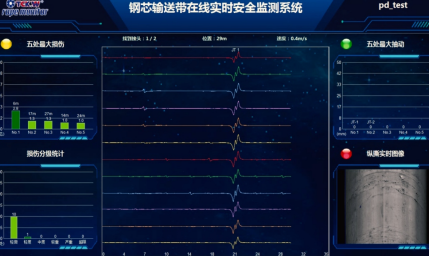
Conveyor Belt Intelligent Monitoring System
LUO YANG WIRE ROPE INSPECTION TECHNOLOGY CO., LTD.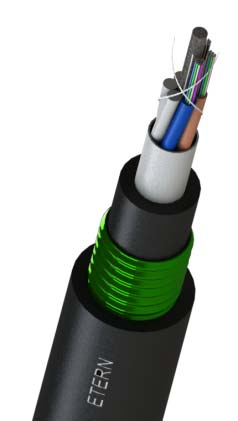

Mine Explosion-proof and Intrinsically Safe Industrial Ethernet Ring Network (10 Gigabit/Gigabit)
Chongqing Mas Sci&Tech Co., Ltd.
20 Inch 1600*900 Full HD 60Hz TFT LED Monitor with VGA and DP Interfaces for Desktop Computers-Business Use
Guangzhou Zanying Optoelectronics Technology Co., Ltd.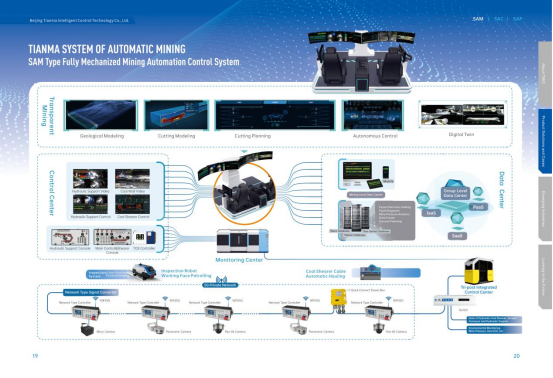
Comprehensive Mining Automation Control System
Beijing Tianma Intelligent Control Technology Co., Ltd.

Multi-function Marine Monitoring Low-altitude Detection Radar Sea-air Boundary Ocean Dynamic Environment Measurement
Chengdu Dixin Technology Co., Ltd.
G.652.D Wavelength-extended Non-dispersion Shifted Single-mode Optical Fiber
HONGAN GROUP CO., LTD.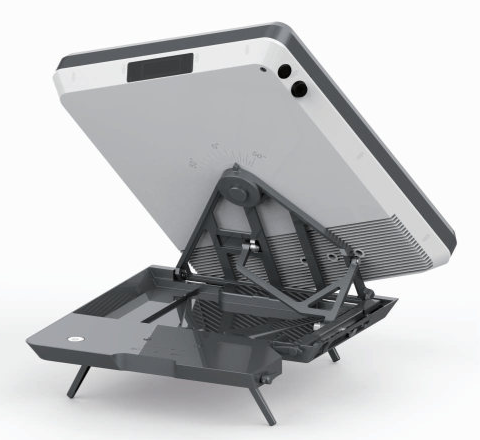
Flat Portable Satellite Terminal 0.35m Aperture Manual Portable Terminal
China Starwin Science & Technology Co., Ltd.