BMW invests $1.7 billion to produce all-electric X5 in the US
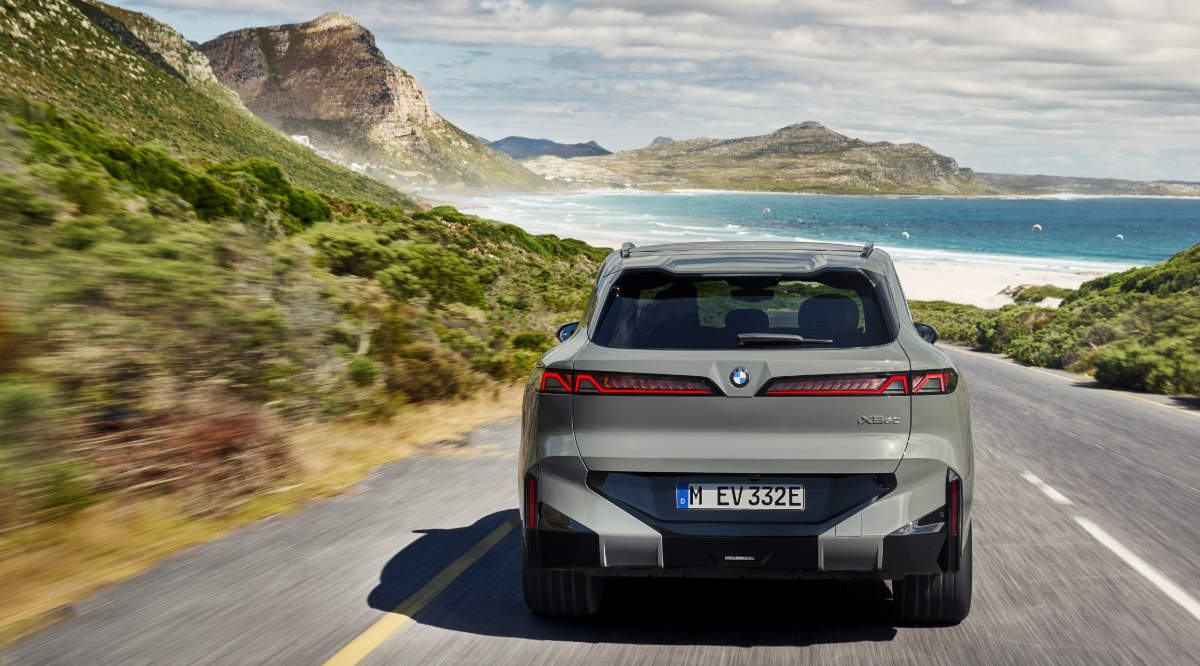
en.Wedoany.com Reported - BMW officially launched the fifth-generation X5 this week, a model that integrates the latest concepts from the brand's Neue Klasse series. It will primarily be produced at the Spartanburg plant in South Carolina, which recently completed a $1.7 billion upgrade.
Since 1994, the Spartanburg plant has assembled over 7.3 million vehicles, producing 412,799 BMW X-series models in 2025 alone—the seventh time the plant's annual output has exceeded 400,000 units, according to Automotive Manufacturing Solutions. About half of the production is exported to nearly 120 countries, making BMW the leading US automotive exporter by value, with nearly 3 million vehicles shipped from the US to date, valued at over $113 billion. BMW stated that its operations across nearly 30 locations in 12 US states and over 400 suppliers support more than 120,000 jobs, contributing over $43.3 billion annually to the US economy. Since 1999, global sales of the X5 have exceeded 3 million units, with one-third sold in the US market.
Milan Nedeljković, Chairman of the Board of Management of BMW AG, stated at this week's celebration that the investment plan announced in South Carolina in 2022 defined BMW Group's future in the US. The completion of investments at the Spartanburg and Woodruff plants now reinforces South Carolina's central role in BMW Group's global operations.
The new X5 adopts a so-called "technology-open" approach, offering up to five powertrain options: internal combustion engine (gasoline or diesel), 48-volt mild hybrid powertrain, plug-in hybrid system, all-electric powertrain, and eventually a hydrogen fuel cell system. Robert Engelhorn, CEO of BMW Manufacturing Co., stated that this flexibility serves both as a hedge against operational risks and a commitment to customers. He noted that from efficient internal combustion engines and plug-in hybrids to all-electric and future hydrogen-powered vehicles, the Spartanburg plant can assemble various drive technologies for global customers, enhancing corporate resilience and supporting customer choice. Engelhorn told The New York Times that the electric iX5 will not compromise efficiency by offering multiple powertrain options, and unpredictable demand prevents automakers from betting on a single technology. The iX5 features a 141 kWh battery, with an estimated range of 435 miles based on BMW's tests following EPA testing procedures. Its 800-volt architecture supports fast charging and includes bidirectional charging capability.
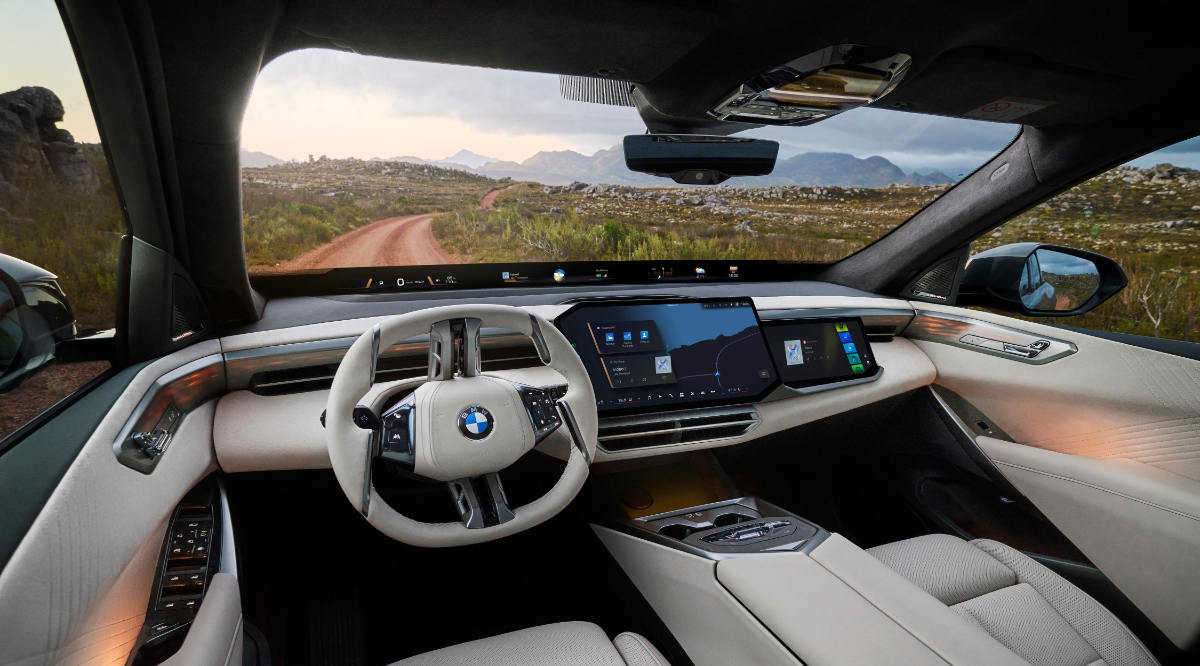
Sebastian Mackensen, CEO of BMW North America, stated that the new X5 proves flexibility and electrification are not competing priorities. A single assembly line capable of switching between five drive systems allows BMW to adjust production ratios based on demand, regulations, or tariff pressures without investing capital in parallel factories. The all-electric iX5 is scheduled to begin production in Spartanburg early next year, marking BMW's first electric vehicle produced outside Germany. The company plans to manufacture five more all-electric models in the US in the near future, using 120mm tall battery cells produced at BMW's new battery plant near Woodruff, South Carolina, assembled into "cell to pack" modules, eliminating the separate cell coating and module production steps that traditionally add time and cost to battery assembly.
The launch of the 2027 BMW X5 will begin in October, starting with the X5 40 xDrive. The rear-wheel-drive X5 40, plug-in hybrid X5 50e xDrive, and the first all-electric model iX5 60 xDrive will follow in the first quarter of 2027. Other models, including an M Performance version with a V8 engine, are planned for later in 2027. Looking further ahead, the BMW iX5 Hydrogen will bring hydrogen fuel cell technology into mass production. In terms of pricing, the 2027 BMW X5 40 starts at $69,800, and the 40 xDrive starts at $72,100. The all-wheel-drive X5 50e xDrive PHEV starts at $77,500, and the all-electric iX5 60 xDrive starts at $79,800. Each vehicle requires a $1,450 destination and handling fee. Both US plants are built according to BMW's iFactory principles, with digital twins and 3D virtual simulations implemented in the factory before physical construction. BMW's internal AI quality platform, AIQX (Artificial Intelligence Quality Next), applies sensor and camera data along the production line to provide real-time quality feedback to workers. The Spartanburg plant has also deployed humanoid robots from Figure AI as part of BMW's broader Physical AI Initiative, aimed at freeing employees from physically demanding and repetitive tasks to focus on precision work.
Related Products
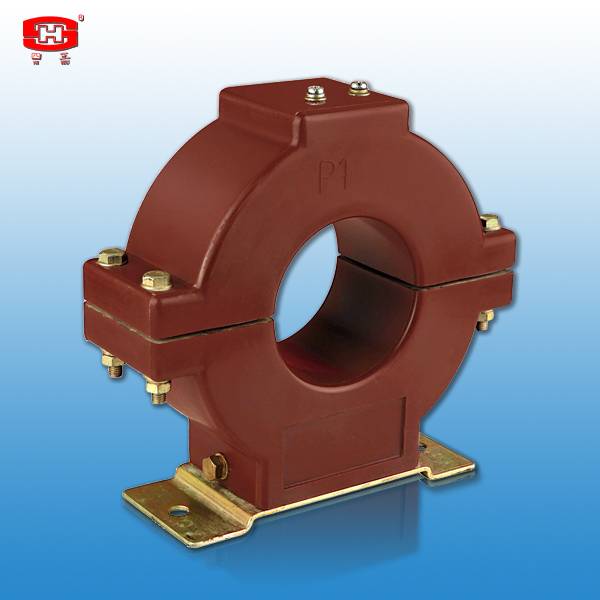

0.66kV Power Supply Instrument Transformer
Guangdong Sihui Instrument Transformer Works Co., Ltd.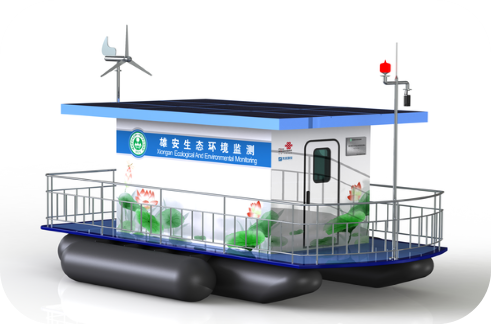
Floating Boat Water Quality Automatic Monitoring System
Hebei Sailhero Environmental Protection High-tech Co., Ltd.
Oil-immersed Amorphous Alloy Core Distribution Transformer
Pinggao Group Smart Electric Co., Ltd.
IS(B)□-M·RL Series Oil-immersed 3D Transformer (Planar / 3D Wound Core)
Guangdong Kehua Electric Power Technology Co., Ltd.


Hydraulic Turbine Genset
Dongfang Electric Corporation Dongfang Electric Machinery Co., Ltd.
KYN61-40.5 Indoor AC Metal-clad Removable Switchgear
Chongqing Transformer Co., Ltd.