Schneider Electric Launches PrismaSet-I System in Brazil, Reducing Footprint by Up to 20%
en.Wedoany.com Reported - Schneider Electric has launched the PrismaSet-I, a new generation modular low-voltage power distribution system in Brazil, designed to meet the high-density power infrastructure needs of data centers, commercial infrastructure, and industrial processing plants. The system enables flexible configuration through a modular architecture, optimizing electrical room layouts. Compared to traditional configurations, it reduces floor space by up to 20%, improves internal power distribution efficiency by 20%, enhances configuration agility by 50%, and reduces cabinet metal plate usage by 10%.
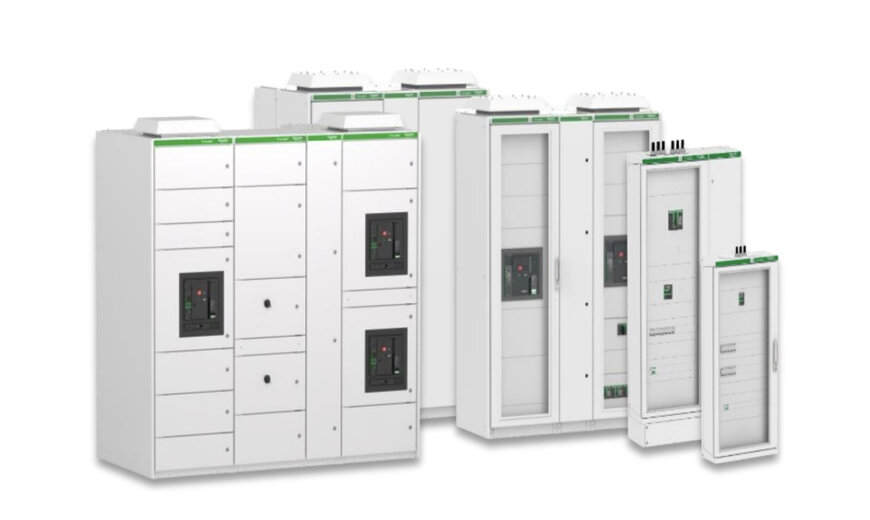
The power distribution cabinet is equipped with embedded digital functions that quantify system electrical performance in real time, including thermal monitoring, electrical asset management, and risk prevention against system downtime caused by overloads or component failures. The hardware has passed relevant compliance tests and certifications for switchgear and control gear, supporting various uninterruptible power supply topologies required for mission-critical environments.
Patrícia Cavalcanti, Vice President of Digital Energy and Power Products for Schneider Electric in South America, stated that the launch of PrismaSet-I in Brazil represents a significant advancement in how enterprises build power distribution systems. The architecture supports data-driven operations, addressing dynamic load parameters in infrastructure such as data centers.
Globally, the low-voltage power distribution cabinet market compliant with relevant standards is primarily composed of established platforms such as Siemens' SIVACON S8 and ABB's System pro E power. The SIVACON S8 emphasizes busbar structure density and data integration through engineering simulation via SIMARIS software, while the ABB system focuses on mechanical assembly modularity (forms 1 to 4b) and data collection via smart sensors connected to the ABB Ability cloud. The competitive advantage of the PrismaSet architecture lies in its native integration of wireless network connectivity (typically LPWAN) for continuous temperature sensors, eliminating auxiliary cables prone to insulation faults and directly integrating into the EcoStruxure platform. Its 20% footprint reduction metric helps data centers increase power processing density (kW/rack) without expanding the low-voltage electrical room area.
Related Products

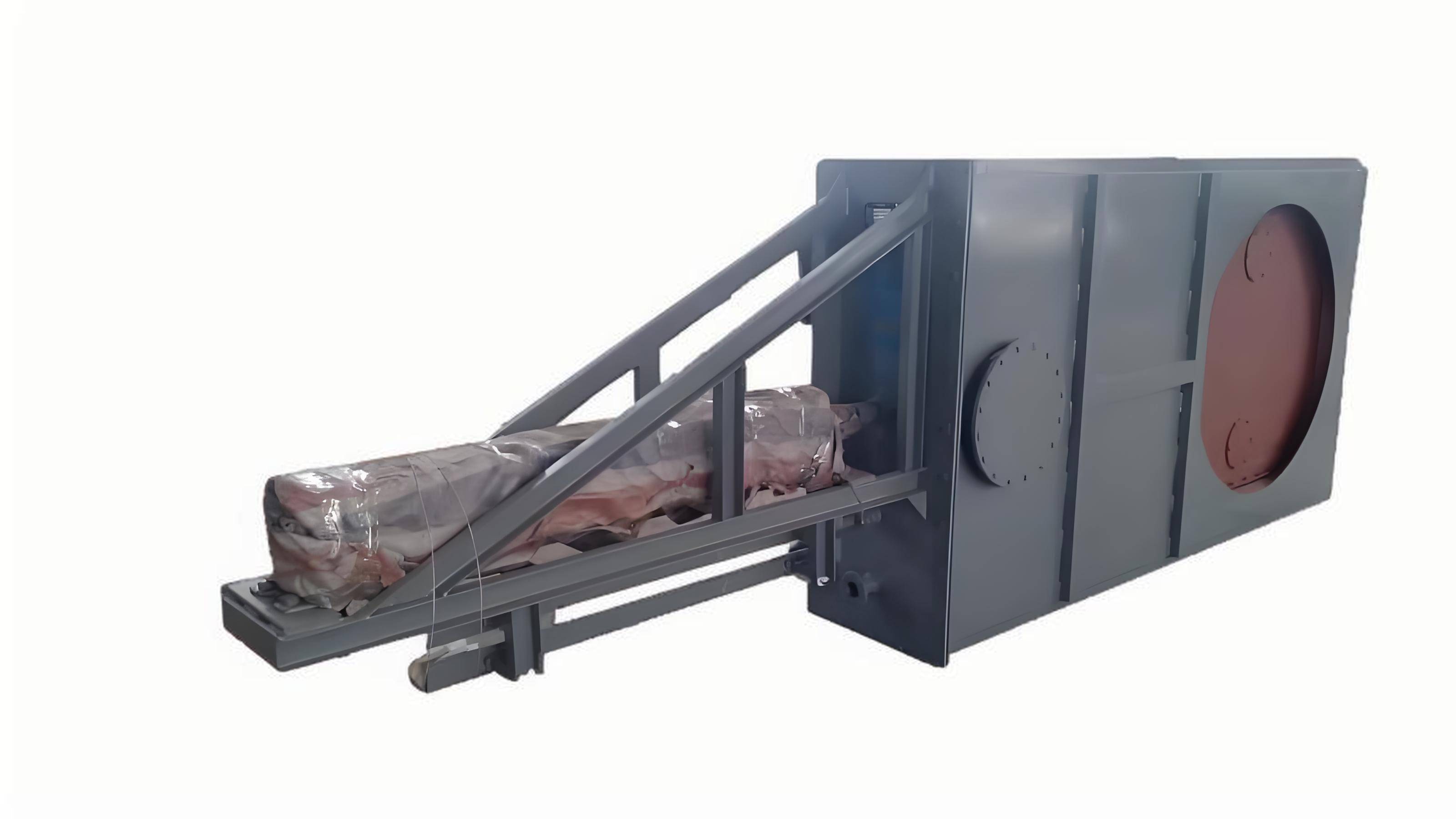
Double-slide Triple-sealed Hot Air Isolation Door
Xi'an Yingchuan Electric Power Equipment Co., Ltd.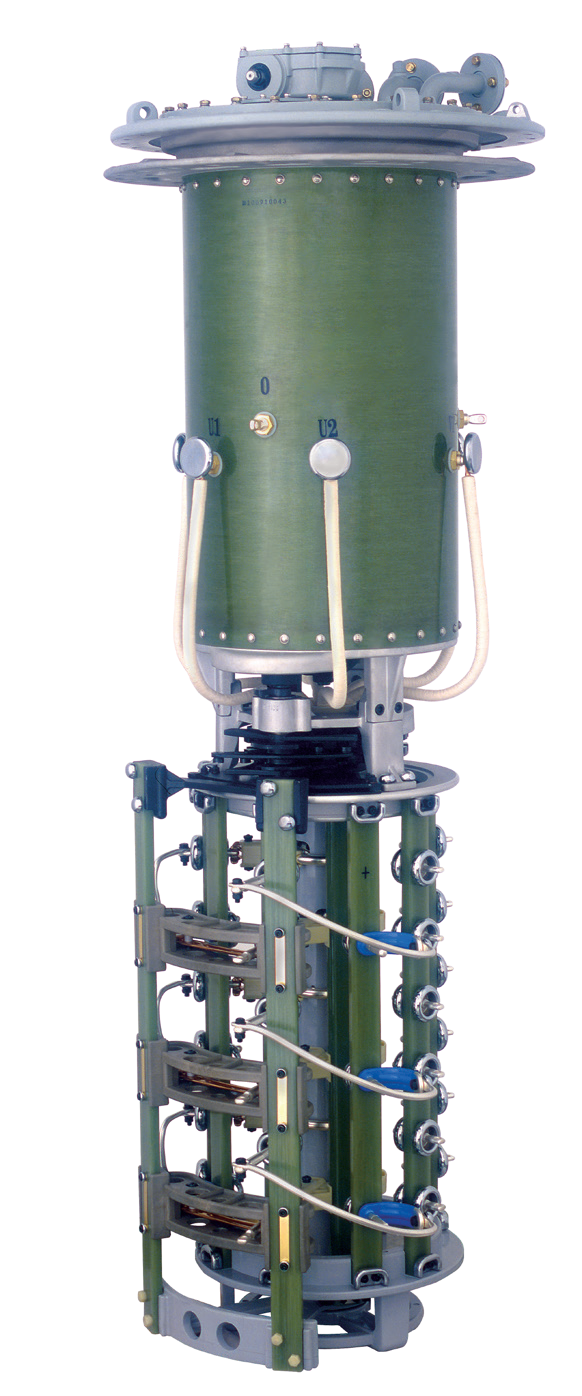
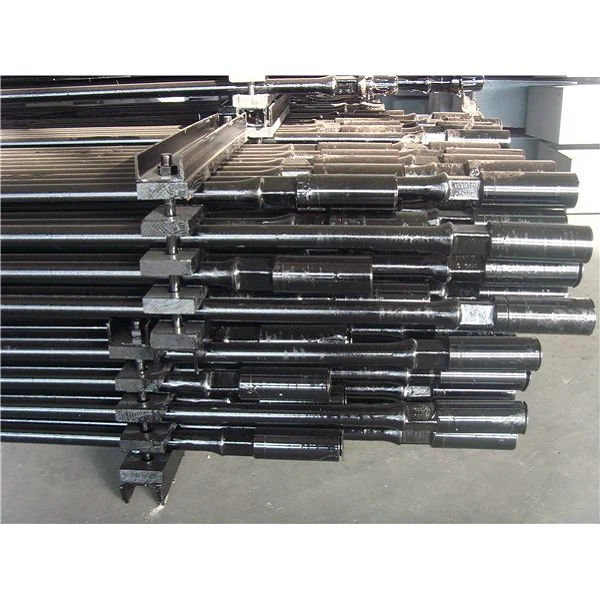
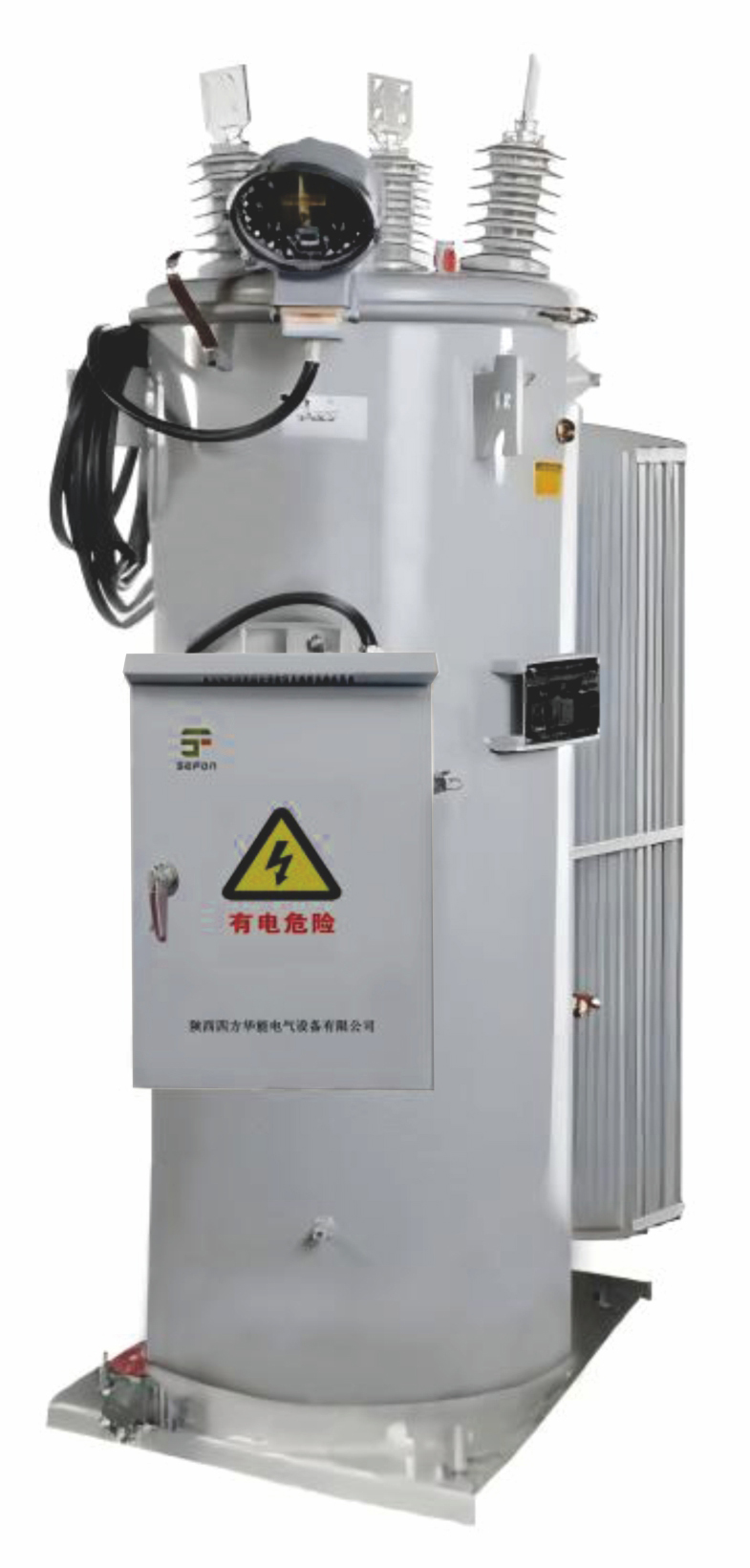
Single-Phase Automatic Voltage Regulator(AVR)
Shaanxi Sefon Electrical Equipment Co.,Ltd.
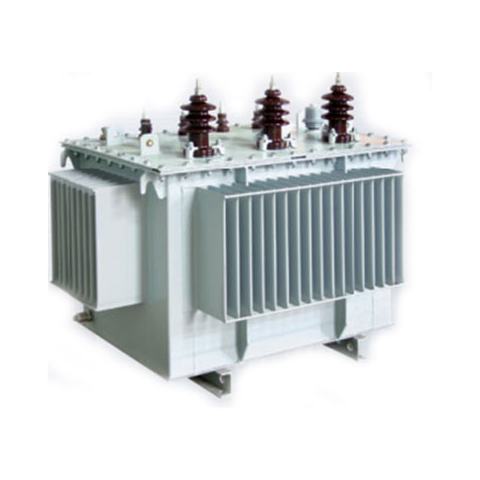
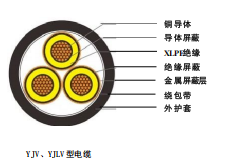
Rated Voltage 6-35kV Cross-linked Polyethylene Insulated Power Cable
TONGDING INTERCONNECTION INFORMATION CO., LTD.