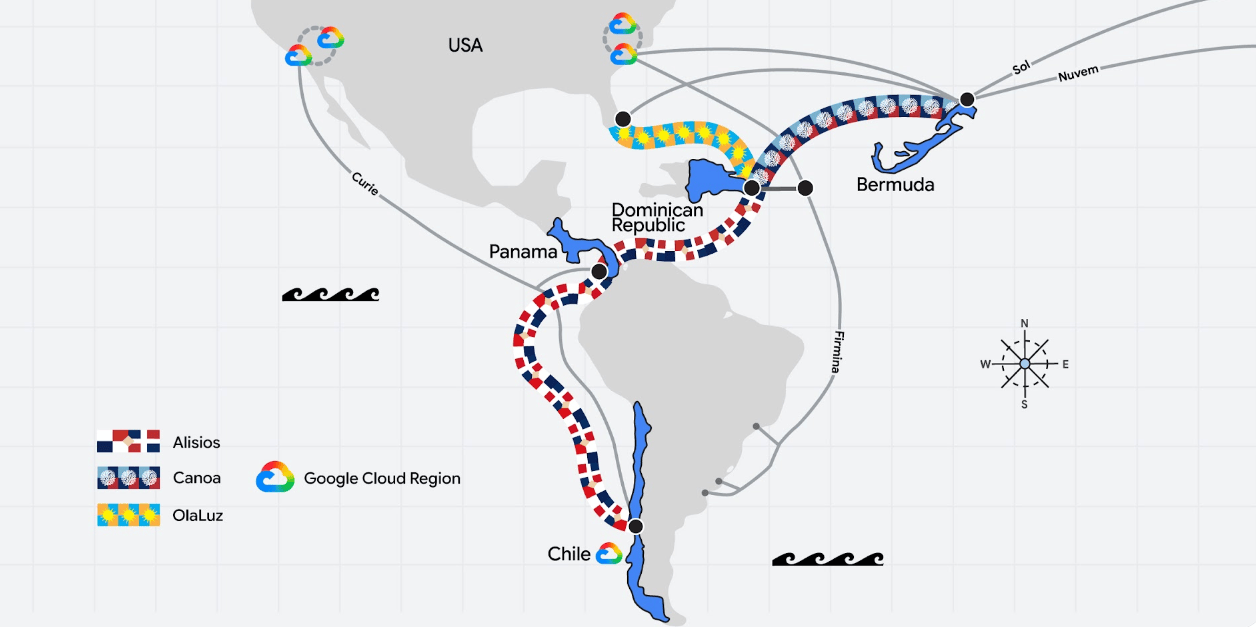
Finland's Nokia Market Cap Surpasses $70 Billion, Pivoting to AI Network Infrastructure
en.Wedoany.com Reported - Nokia's market capitalization has exceeded $70 billion, driven by its transformation into AI network infrastructure. After transitioning from a dominant force in the feature phone era to losing momentum in the smartphone wave, the company is regaining market attention through underlying technologies such as optical communications and AI-RAN.
Nokia was once the king of the feature phone era, holding the top global market share in mobile phones for 15 consecutive years starting in 1996. At its peak, it commanded over 40% of the global market, with a maximum market value of approximately $162.3 billion. Its classic model, the Nokia 1100, sold over 250 million units. After the launch of the iPhone in 2007, the competitive logic of the telecommunications industry shifted toward operating systems, application ecosystems, and platform capabilities. Nokia's entrenched Symbian system faced severe fragmentation issues—by 2009, there were 57 incompatible versions, and in 2010, the Symbian store had only 3,000 apps, compared to over 100,000 on Android. The company rejected Google's offer to collaborate on Android, insisting on developing its own MeeGo system, thereby missing the window for transformation. After former Microsoft executive Stephen Elop took over as CEO, he led a strategic restructuring: abandoning Symbian and halting MeeGo, betting the smartphone business on the Windows Phone ecosystem. In 2013, Nokia sold its mobile phone business to Microsoft for approximately €5.44 billion.
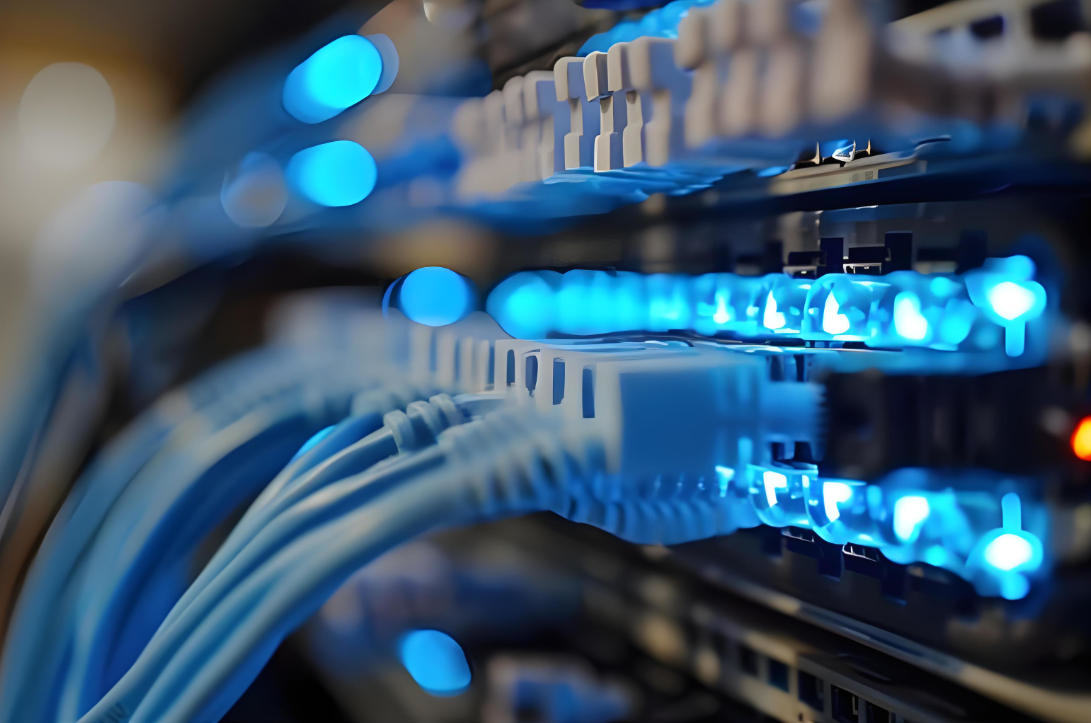
After divesting its mobile phone business, Nokia concentrated its capital, R&D capabilities, and engineering systems on the telecommunications equipment sector, including mobile communication networks, core network systems, and private network capabilities for operators and enterprises. It also bought out Siemens' stake in the joint venture "Nokia Siemens Networks." The core of this strategic shift was to position itself in "optical communications," a key industrial trend in the AI era. The bandwidth and latency requirements for AI large model training and inference have pushed traditional copper cables and electrical interconnection solutions to their physical limits, making optical communication technology central to building AI computing infrastructure.
The 2015 acquisition of Alcatel-Lucent brought Nokia the core patents and technological accumulation of Bell Labs, filling gaps in IP and cloud networking, and elevating Nokia to the top tier of the global optical network equipment market. In 2024, Nokia acquired U.S. optical communications equipment manufacturer Infinera for $2.3 billion. After the acquisition is completed in 2025, it will make Nokia the second-largest supplier in the optical network market, with a 20% market share.
In October 2025, Nvidia made a strategic investment of approximately $1 billion in Nokia, with the two companies collaborating around AI-RAN (AI Radio Access Network). The goal is to upgrade traditional communication base stations into intelligent nodes with edge computing scheduling capabilities. The AI-RAN system adds edge computing and intelligent processing functions to the data transmission between base stations and mobile devices, optimizing spectrum utilization and energy efficiency through AI algorithms, and leveraging idle RAN assets to host edge AI services, creating new revenue streams for operators.
From optical communications to data center interconnection, from 5G-A to AI-RAN, from operator networks to edge computing nodes, Nokia is becoming one of the builders of the AI network foundation. Its transformation path demonstrates that in the communication era being rewritten by AI, the underlying systems supporting the stage's operation carry new industrial value.
Related Products

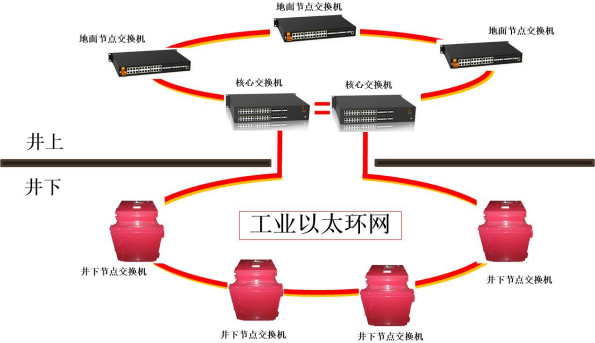
Mine Explosion-proof and Intrinsically Safe Industrial Ethernet Ring Network (10 Gigabit/Gigabit)
Chongqing Mas Sci&Tech Co., Ltd.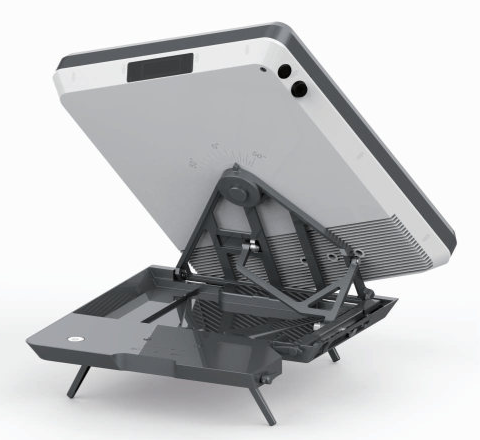
Flat Portable Satellite Terminal 0.35m Aperture Manual Portable Terminal
China Starwin Science & Technology Co., Ltd.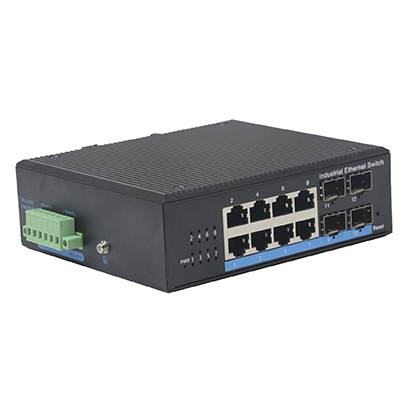

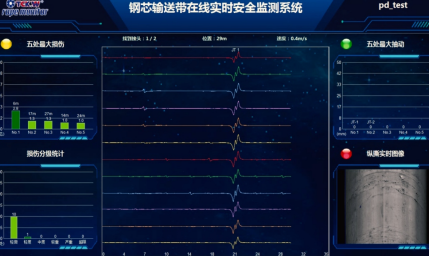
Conveyor Belt Intelligent Monitoring System
LUO YANG WIRE ROPE INSPECTION TECHNOLOGY CO., LTD.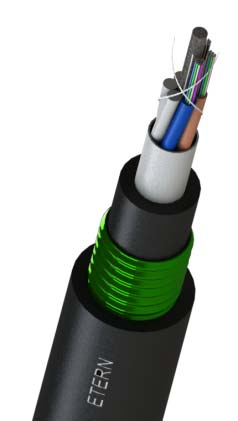
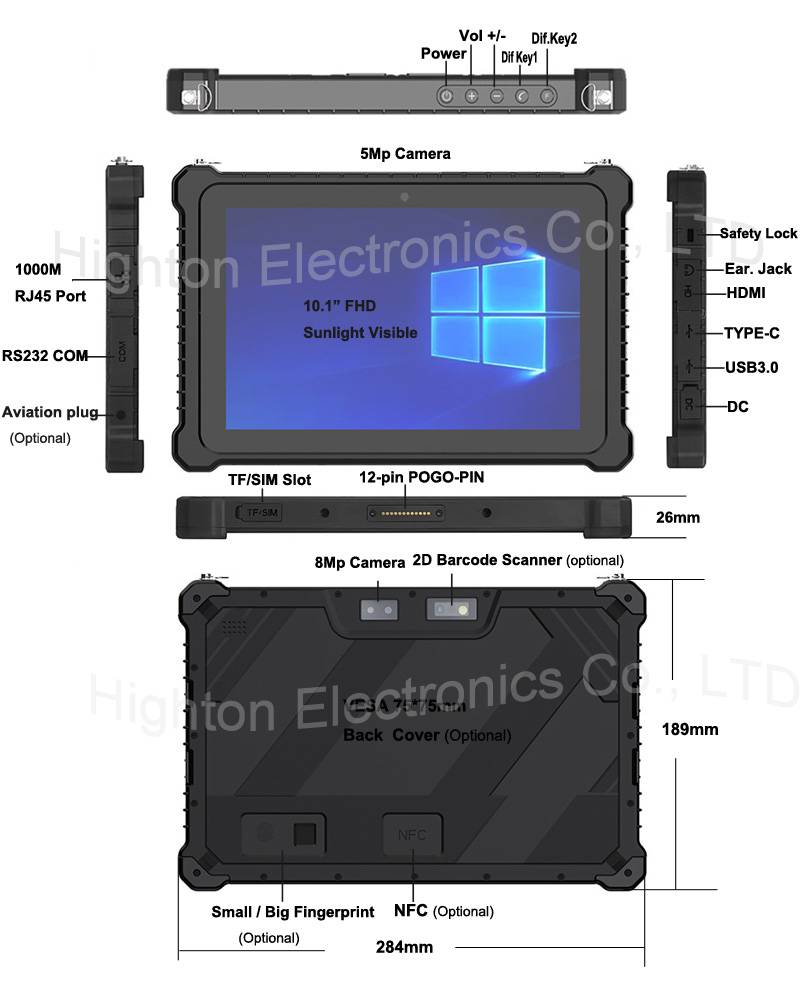
Hot Selling 10 Inch Intel N5100 I5 I7 FHD 8 +128GB 16+256GB Win10 Pro Win11 Pro 4G 5G Rugged Tablet PC Pad with NFC Barcode
Highton Electronics Co., Ltd.