US Astranis builds 400-kilogram small satellites to provide internet for three regions
en.Wedoany.com Reported - US startup Astranis is providing customized internet services to remote areas beyond fiber optic coverage by manufacturing small, low-cost geostationary satellites. Weighing approximately 400 kilograms, these satellites are just one-twentieth the size of traditional communications satellites, which can cost up to $400 million each. These devices are currently connecting users in Alaska, Mexico, and the Philippines.
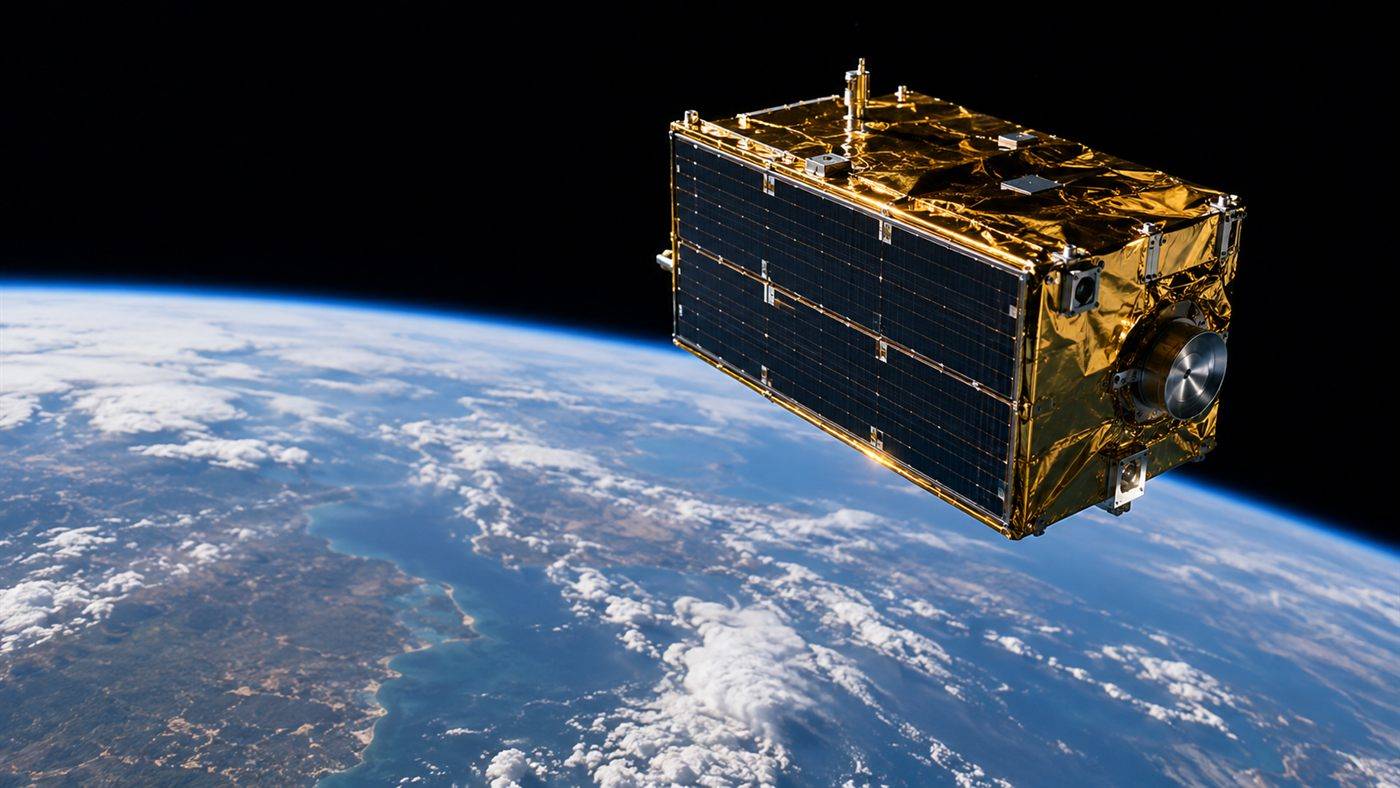
Astranis's strategy contrasts sharply with SpaceX's Starlink. While Starlink relies on thousands of low-Earth orbit satellites for global coverage, Astranis deploys its small satellites in geostationary orbit, each dedicated to a fixed region. According to Contrary Research, this change in size directly brings cost advantages: the manufacturing and launch costs of traditional geostationary satellites range from $100 million to $400 million, while Astranis's compact devices significantly reduce costs.
Technological innovation is not limited to size reduction. According to TechCrunch, Astranis satellites use software-defined payloads that can reallocate bandwidth and power on demand; the new-generation Omega platform is designed with a throughput of 50 gigabits per second. Additionally, the satellites combine chemical propulsion with electric ion thrusters, allowing up to 30 position adjustments per satellite over its lifespan—a maneuverability that is relatively rare in geostationary orbit.
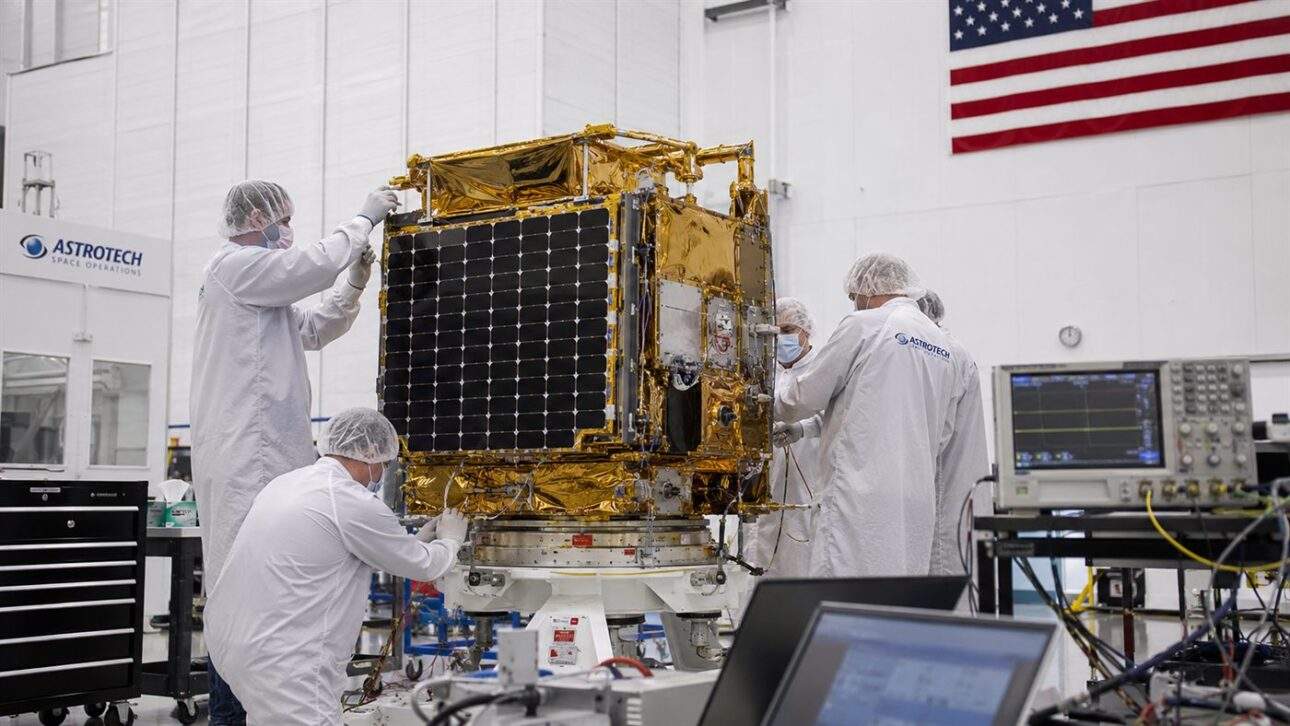
The benchmark for commercial deployment is reflected in signed contracts. Astranis provides services to Alaska through Pacific Dataport; plans to connect up to 5 million people in Mexico via Apco Networks; and connects 2 million people in the Philippines through Orbits Corp. Additionally, the company has established partnerships with Thailand's Thaicom and Taiwan's Chunghwa Telecom. These regions commonly face high costs for fiber optic deployment. Astranis centers its business model on satellite-as-a-service, selling customers a dedicated satellite positioned over their region rather than shared capacity from a fleet.

Funding support is driving capacity expansion. According to Contrary Research, Astranis has raised approximately $753 million through multiple funding rounds, including a $200 million round in mid-2024 to accelerate satellite production. Future manufacturing will rely on the Omega series platform for scalable production, with the company planning to launch multiple satellites annually. CEO and co-founder John Gedmark stated that the industry needs to shift toward more resilient architectures, distributing capabilities across multiple small devices—a move that is both strategically and commercially sound.
Related Products


Mine Explosion-proof and Intrinsically Safe Industrial Ethernet Ring Network (10 Gigabit/Gigabit)
Chongqing Mas Sci&Tech Co., Ltd.
G.652.D Wavelength-extended Non-dispersion Shifted Single-mode Optical Fiber
HONGAN GROUP CO., LTD.

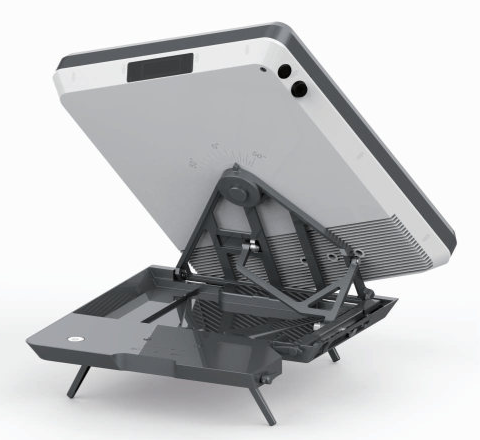
Hot Selling 10 Inch Intel N5100 I5 I7 FHD 8 +128GB 16+256GB Win10 Pro Win11 Pro 4G 5G Rugged Tablet PC Pad with NFC Barcode
Highton Electronics Co., Ltd.
Flat Portable Satellite Terminal 0.35m Aperture Manual Portable Terminal
China Starwin Science & Technology Co., Ltd.


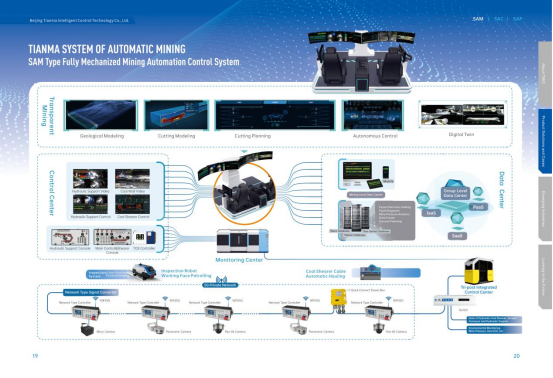
Comprehensive Mining Automation Control System
Beijing Tianma Intelligent Control Technology Co., Ltd.
20 Inch 1600*900 Full HD 60Hz TFT LED Monitor with VGA and DP Interfaces for Desktop Computers-Business Use
Guangzhou Zanying Optoelectronics Technology Co., Ltd.