en.Wedoany.com Reported - Amazon plans to officially launch its low Earth orbit satellite internet service by the end of 2026, marking a new phase in its competition with SpaceX's Starlink in the global broadband market. In its latest mission, Amazon successfully launched 29 satellites using United Launch Alliance's Atlas V rocket, bringing the total number of satellites in the Amazon LEO constellation to 394, a number considered sufficient to initiate the first batch of services.
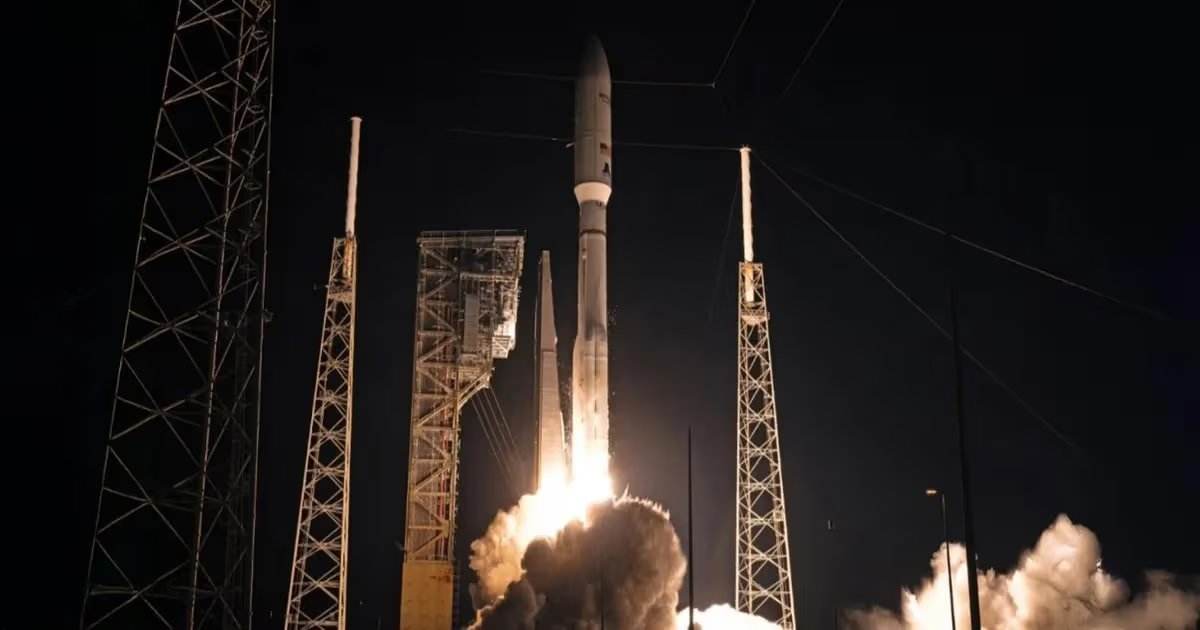
Chris Weber, Vice President of Amazon LEO, confirmed that some work remains to be done before the new satellites reach their final operational positions, but the company has completed enough launches to start satellite internet services within the year. Weber stated on his X account that recent launches have brought the number of deployed satellites to over 390, sufficient to support continuous service in initial latitude regions. Amazon has not yet announced which countries or regions will receive the service first. According to Reuters, coverage is expected to begin near the Earth's poles and gradually expand toward the equator as the number of satellites increases.
Amazon's ultimate goal is to deploy over 3,200 satellites to provide global broadband internet services, positioning the project as a competitor to Starlink, which already operates approximately 10,000 satellites. The low Earth orbit constellation places thousands of satellites closer to Earth, significantly reducing latency compared to traditional satellite internet services while improving speed. This technology enables Amazon's satellite internet to deliver superior performance in modern applications such as streaming, video calls, online gaming, and remote work. Amazon plans to sell internet services to households using dedicated user terminals, while also targeting enterprise, government, and aviation industry clients. The company has also developed its own chips to enhance its service ecosystem. With gradual launches beginning by the end of 2026, the global broadband market gains another option beyond Starlink.