Samsung's 4nm foundry capacity in South Korea is largely sold out, with some 8nm production lines running at full capacity
en.Wedoany.com Reported - July 3 news, Samsung Electronics' foundry division in South Korea has recently adjusted its supply strategy, prioritizing existing customer orders and selectively accepting new client projects. Its 4nm process capacity is essentially sold out, with next year's capacity already locked in, and some 8nm process production lines are operating near full capacity.
The tight capacity at Samsung's foundry directly points to a rebound in demand for AI chips and high-performance computing. The 4nm process is primarily aimed at AI accelerators, network processors, high-performance computing chips, and some custom ASICs, where clients typically have high requirements for energy efficiency, area, yield, and delivery cycles. As large tech companies, AI startups, and chip design firms accelerate the development of their own computing chips, advanced process foundry capacity has become tight again. Samsung securing more orders at the 4nm node also indicates that its advanced process yield and customer trust are recovering. For new clients, the barrier to entering Samsung's 4nm capacity queue is now higher, with project scale, technological maturity, long-term cooperation value, and payment terms potentially affecting order priority.
The full-capacity operation of 8nm production lines indicates that mature nodes are also recovering. Although 8nm is not among the most cutting-edge processes, it remains suitable for certain chipsets, consumer electronics SoCs, network chips, automotive and industrial control chips, as well as products more sensitive to cost and stability.
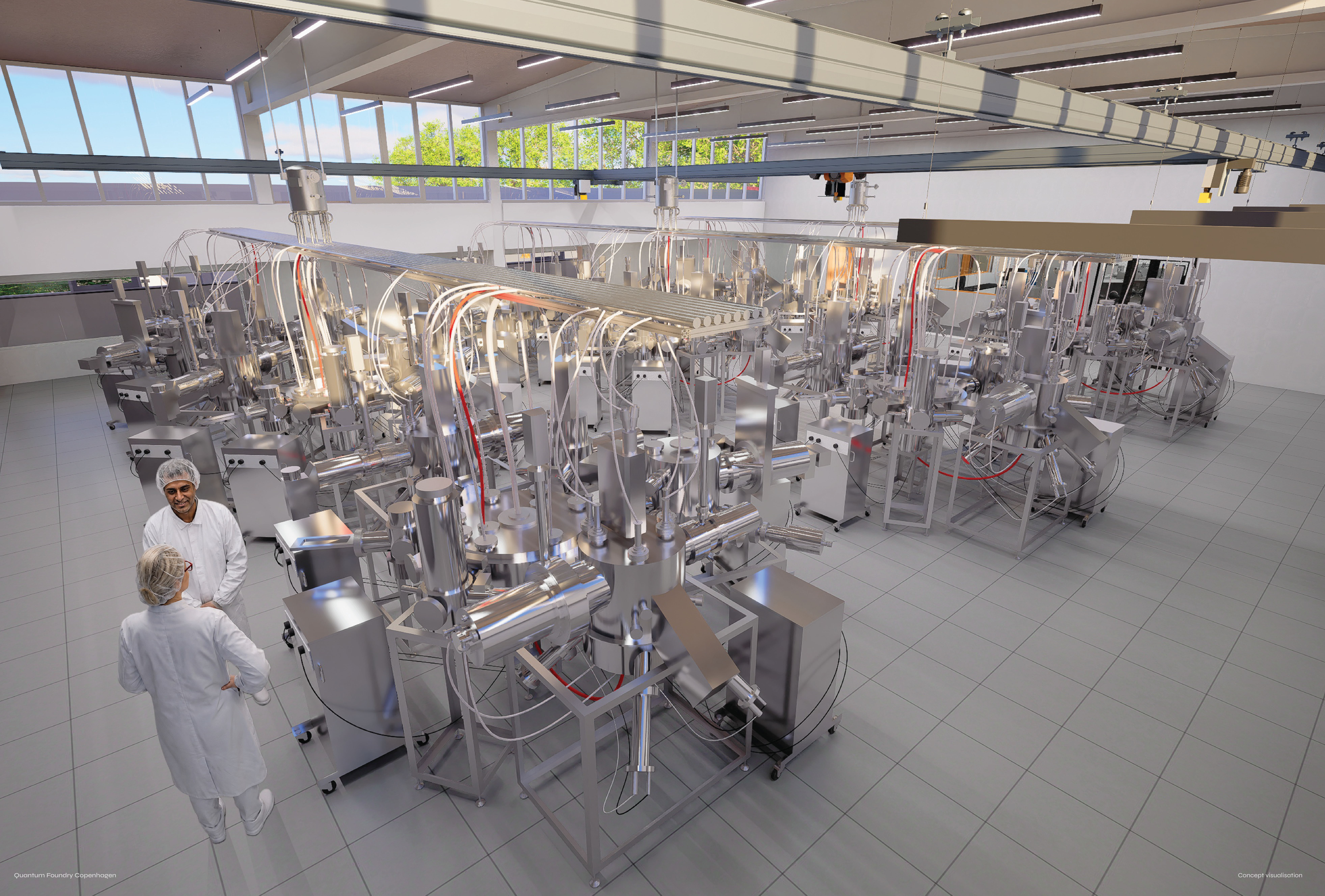
An increase in foundry capacity utilization will tighten the entire semiconductor supply chain. Advanced processes require stable operation of equipment such as lithography, etching, thin-film deposition, ion implantation, metrology and inspection, and chemical mechanical polishing, and also rely on coordination of resources like photomasks, silicon wafers, electronic specialty gases, photoresists, wet electronic chemicals, and packaging and testing. With 4nm orders locked in until next year, clients seeking additional capacity on short notice may need to queue or switch to other nodes; with 8nm production lines near full capacity, delivery cycles for related mature process products may also lengthen. For Samsung, prioritizing existing clients can reduce switching costs, improve production line scheduling stability, and allocate limited capacity to more certain, higher-value projects.
Samsung is currently also pursuing orders for 2nm, 4nm, and 8nm processes, forming a foundry portfolio that combines advanced and mature nodes. 2nm targets next-generation AI ASICs and high-end HPC chips, 4nm handles current AI inference and high-performance chip mass production needs, and 8nm supplements mid-to-high-end chip projects with more controllable costs and broader applications. If Samsung continues to improve yield and delivery stability, it will have the opportunity to secure more large client orders in the AI chip foundry market.
Currently disclosed information shows that Samsung's foundry business has entered a phase of selective capacity allocation. Subsequent changes will depend on the pace of 4nm capacity expansion, 8nm production scheduling capabilities, 2nm client adoption, yield performance, and advanced packaging support. These factors will determine whether Samsung can convert the current order momentum into more stable foundry revenue.
Related Products




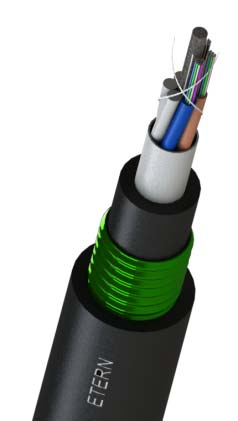

Multi-function Marine Monitoring Low-altitude Detection Radar Sea-air Boundary Ocean Dynamic Environment Measurement
Chengdu Dixin Technology Co., Ltd.

Comprehensive Mining Automation Control System
Beijing Tianma Intelligent Control Technology Co., Ltd.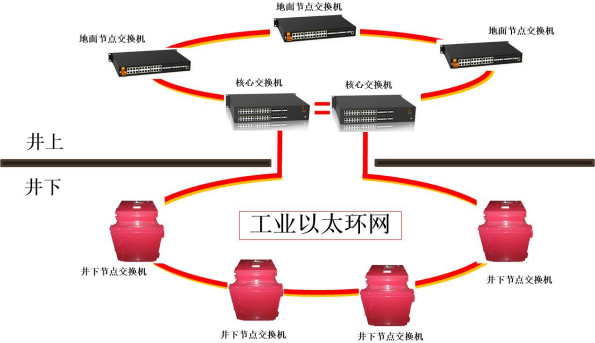
Mine Explosion-proof and Intrinsically Safe Industrial Ethernet Ring Network (10 Gigabit/Gigabit)
Chongqing Mas Sci&Tech Co., Ltd.