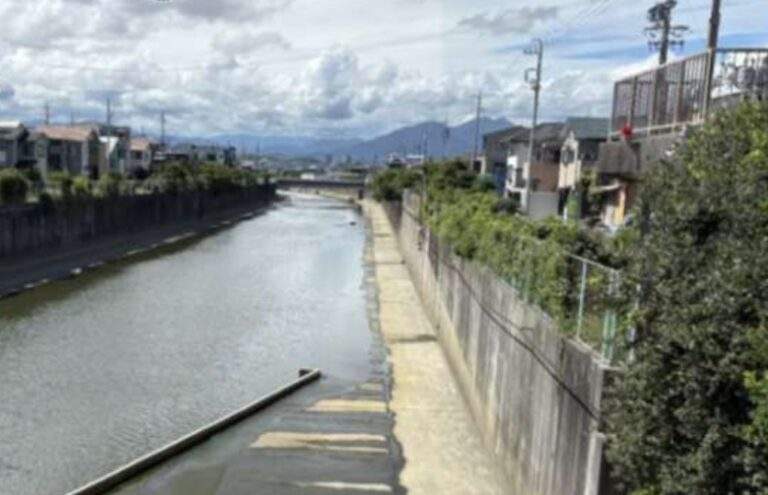
en.Wedoany.com Reported - According to the China South-to-North Water Diversion Group Corporation, the comprehensive water replenishment for the entire Beijing-Hangzhou Grand Canal in the 2026 season was successfully completed on June 30. This marks the fifth consecutive year since the first comprehensive replenishment in 2022 that the canal has achieved continuous water flow along its entire section north of the Yellow River. As the core water source for this replenishment, the Phase I Northern Extension Emergency Water Supply Project of the Eastern Route of the South-to-North Water Diversion (hereinafter referred to as the Northern Extension Project) has cumulatively supplied 928 million cubic meters of water to the Grand Canal over five years. The steady flow of clean Yangtze River water, crossing the Yellow River and heading north, has provided stable water resource support for the revival of the millennium-old canal through inter-basin water resource allocation.
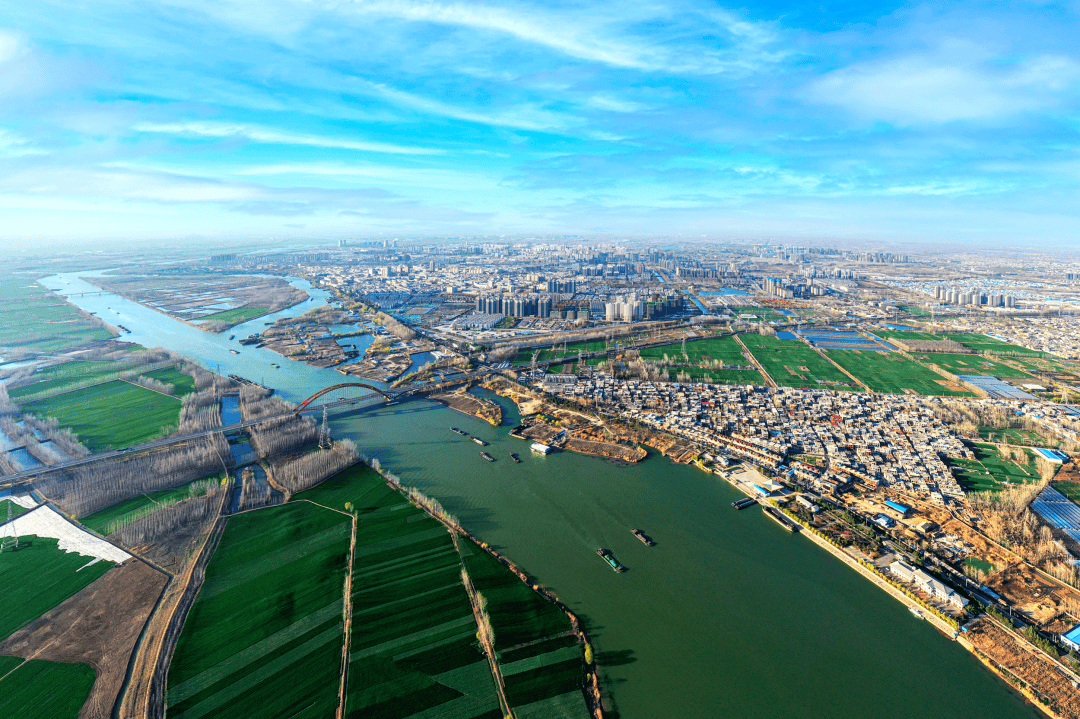
Due to human activities and climate change, the section of the Grand Canal north of the Yellow River began to experience flow interruptions in the early 20th century. Since the 1970s, prolonged flow interruptions and even drying up have occurred, leading to severe issues such as damaged aquatic ecosystems, water pollution, and over-extraction of groundwater along the route. To systematically address the water shortage dilemma of the northern canal and protect the Grand Canal as a UNESCO World Heritage site, China has prioritized optimizing inter-basin water resource allocation and implementing regular ecological water replenishment as key tasks for reviving the millennium-old canal. This involves coordinating multiple water sources, including diverted water and local water, to formulate an annual replenishment plan.
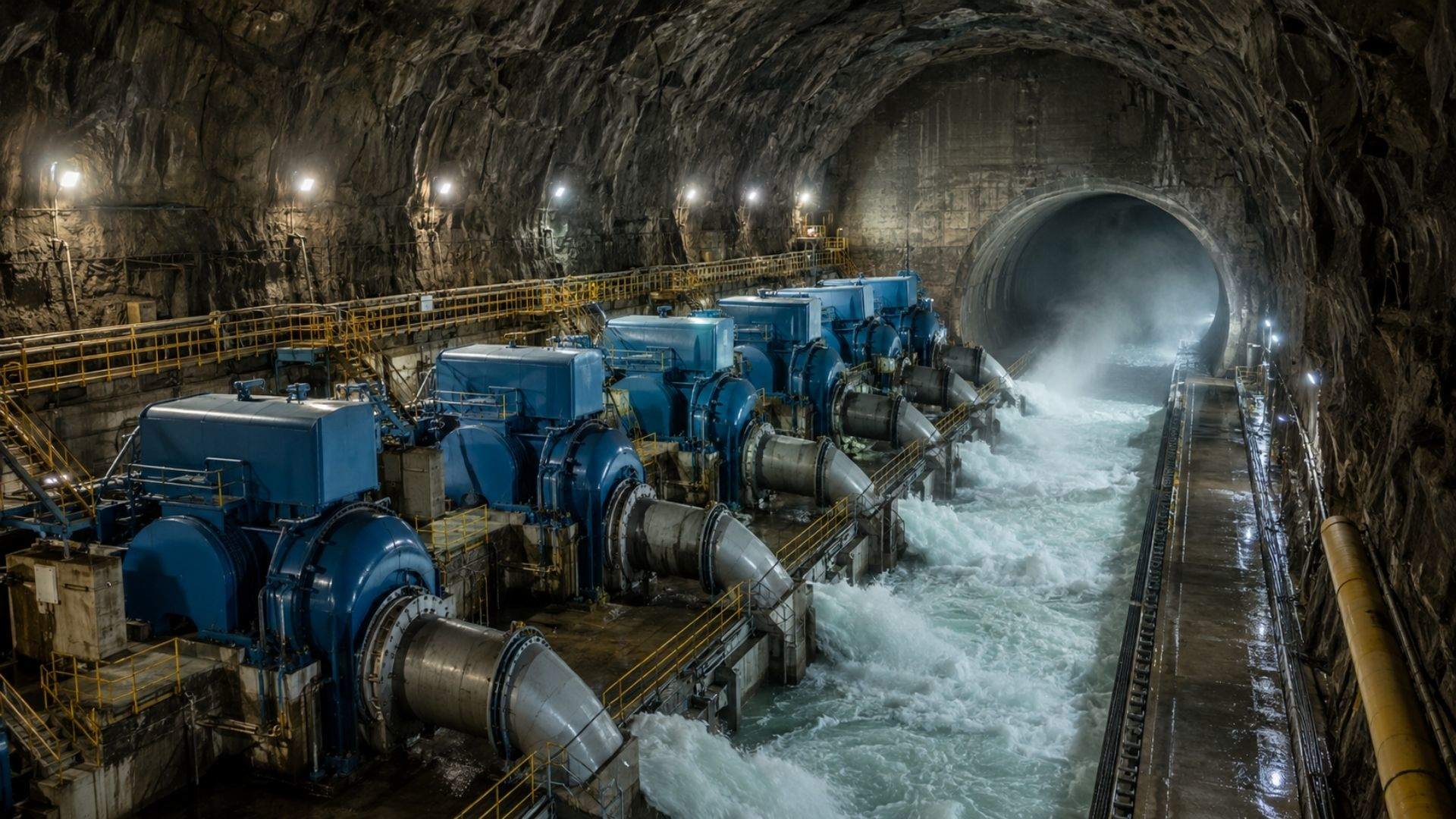
Since the Northern Extension Project began water delivery in 2021, it has faced practical challenges such as long water conveyance routes, numerous coordination links, and complex multi-source water scheduling. The China South-to-North Water Diversion Group Corporation has consistently leveraged its core function of inter-basin water diversion, actively establishing a regular multi-party consultation and scheduling mechanism, strengthening information sharing, and dynamically optimizing water delivery plans. It has fully utilized the digital twin system to enhance monitoring of temperature, water temperature, and ice conditions, intensified patrols along the route, and ensured the safe and stable operation of the project and orderly execution of scheduling plans. Additional water quality automatic monitoring stations have been set up to promptly analyze and assess water quality conditions, ensuring water safety during the diversion period.
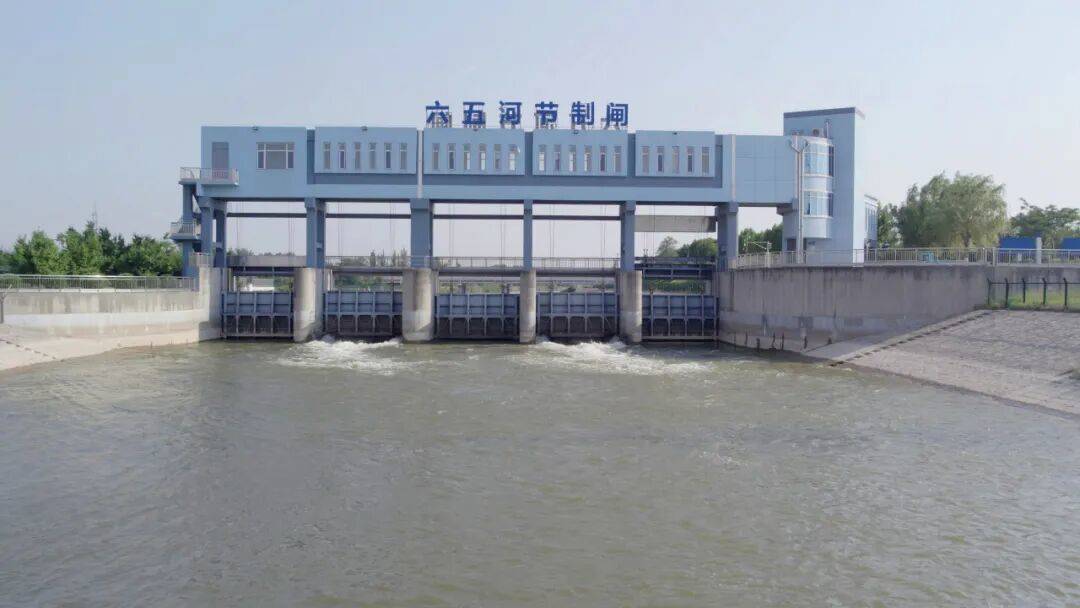
Over the past five years, the Northern Extension Project has continuously injected high-quality Yangtze River water into the section of the Grand Canal north of the Yellow River, effectively coordinating with water from the Yellow River and local sources to ensure year-round water availability along the entire canal. This has laid a solid water security foundation for the ecological recovery of rivers and lakes in North China, comprehensive management of groundwater over-extraction, and the protection, inheritance, and utilization of Grand Canal culture.
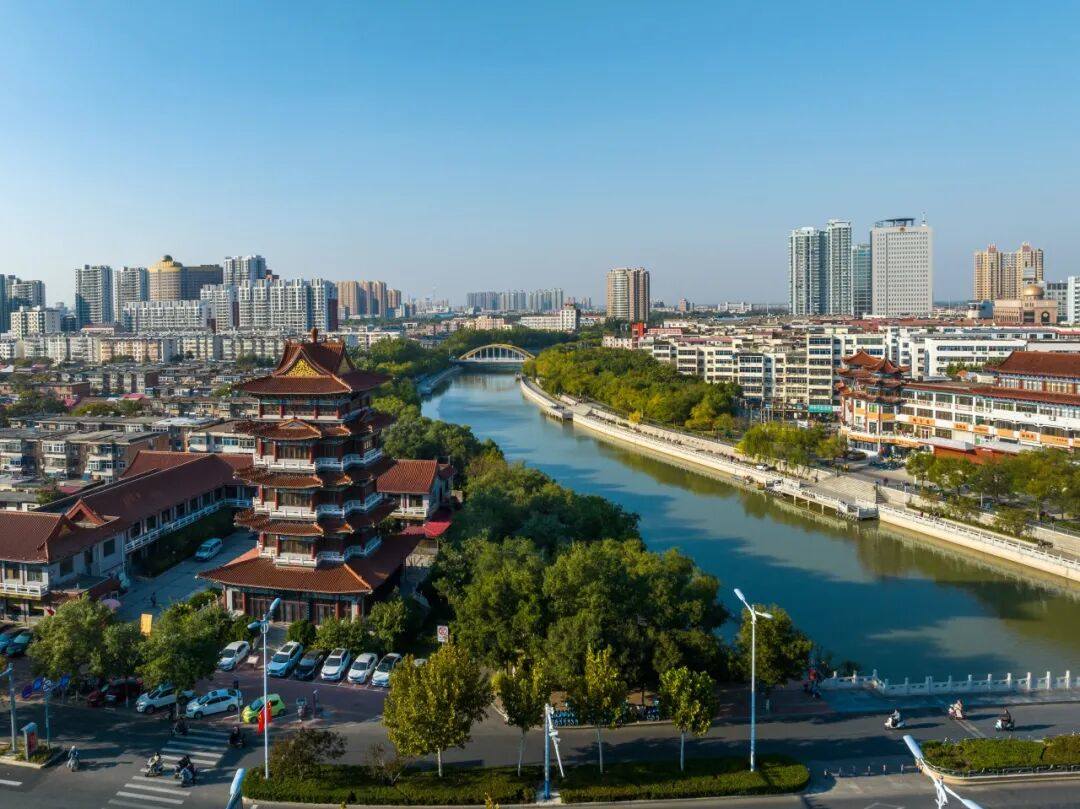
Over the past five years, the comprehensive benefits of the full connectivity of the Grand Canal have continued to manifest. The 707-kilometer section north of the Yellow River has achieved continuous water flow, with enhanced water mobility. The water surface area has increased or remained stable compared to before replenishment, surface water quality along the river has significantly improved, biodiversity indices have risen, and aquatic ecological quality has been enhanced. By orderly increasing the volume of water diverted for agricultural irrigation along the Grand Canal during the spring irrigation period and replacing groundwater used for irrigation, the trend of groundwater over-extraction in North China has been effectively curbed, promoting the recovery of groundwater levels and the resurgence of many dried-up ancient wells. The flowing water of the canal, combined with historical relics, folk customs, and intangible cultural heritage along its banks, has driven the flourishing development of various industries such as cultural experiences, science education, and leisure agriculture. Local communities along the route have expanded their income channels by leveraging canal resources, truly realizing the goal of revitalizing culture and enriching people through water resources.
Going forward, the Eastern Route Company of the China South-to-North Water Diversion Group Corporation will focus on leveraging the role of the South-to-North Water Diversion Project as "four lifelines," promoting the implementation of regular ecological water replenishment for the Northern Extension Project to the section north of the Yellow River. This will continue to support the comprehensive management of groundwater over-extraction in North China and the ecological recovery of rivers and lakes along the route, helping the ancient canal regain its vitality with clear water, green banks, smooth flow, and beautiful scenery. It will make greater contributions to improving the national water network pattern, enhancing water resource carrying capacity, ensuring national water security, and better serving the major strategy of coordinated development of the Beijing-Tianjin-Hebei region during the "15th Five-Year Plan" period.