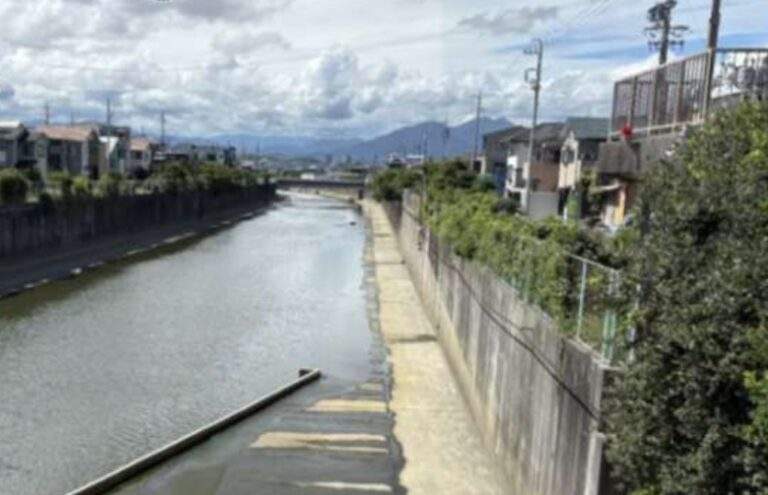
en.Wedoany.com Reported - The Jaguari-Atibainha Interconnection Project, operated by Brazil's Sabesp, has received new authorization from the National Water Agency (ANA) to transfer up to 268.28 cubic hectometers of water to the Cantareira System in São Paulo. The project relies on a 6.4-kilometer rock tunnel and six 5,000-horsepower pumps to convey water from the Paraíba do Sul River across a ridge to the Cantareira System.
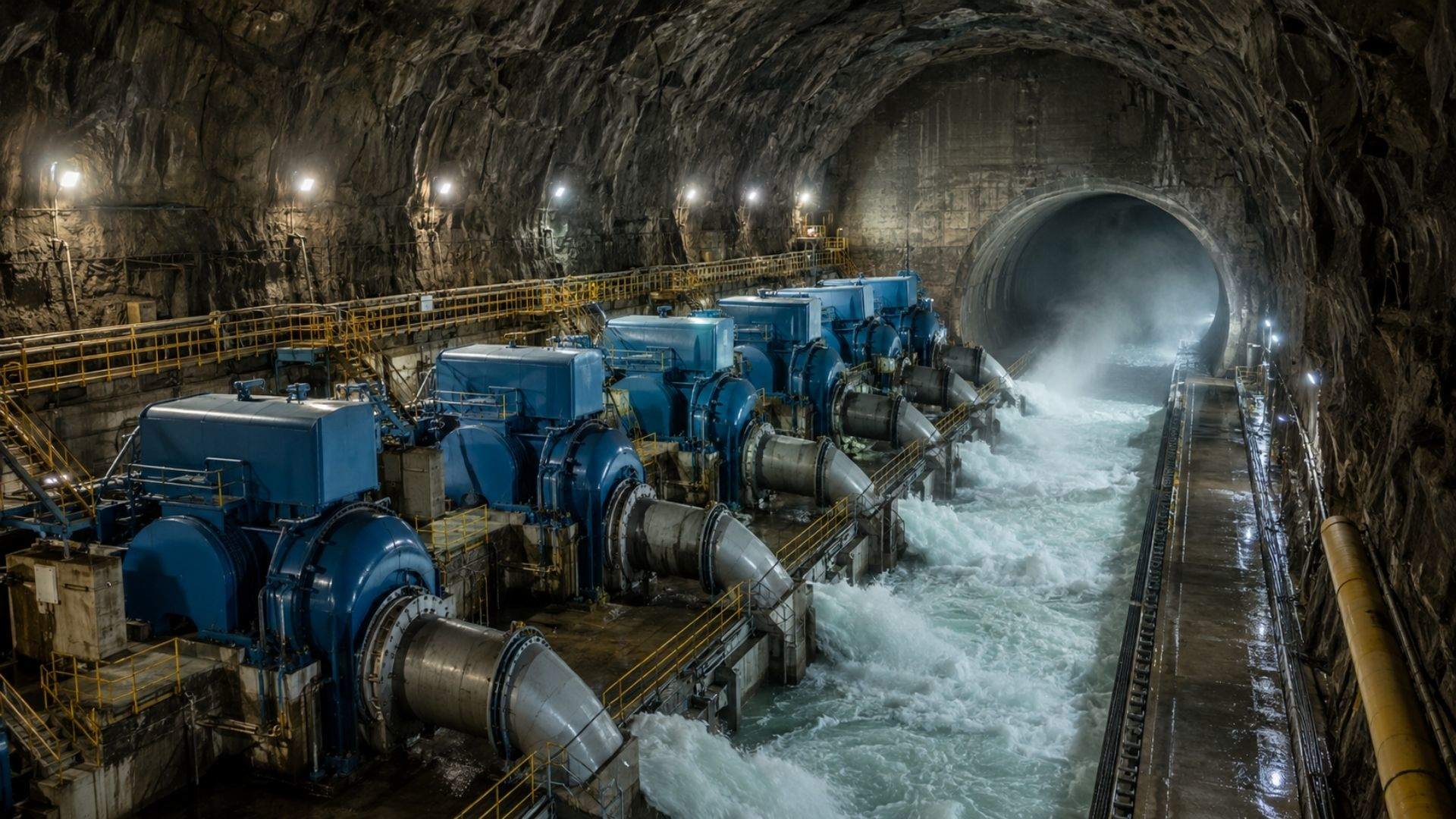
Known as the Jaguari-Atibainha Interconnection, the project was completed in 2018 to address the severe water crisis in the São Paulo region during 2014-2015. The core of the project is a 6.4-kilometer tunnel excavated in rock, approximately 5 meters high and 4 meters wide, with a cross-section of about 20 square meters. In addition to the tunnel, the interconnection includes approximately 13.2 kilometers of water pipelines, a pumping station, and a substation.
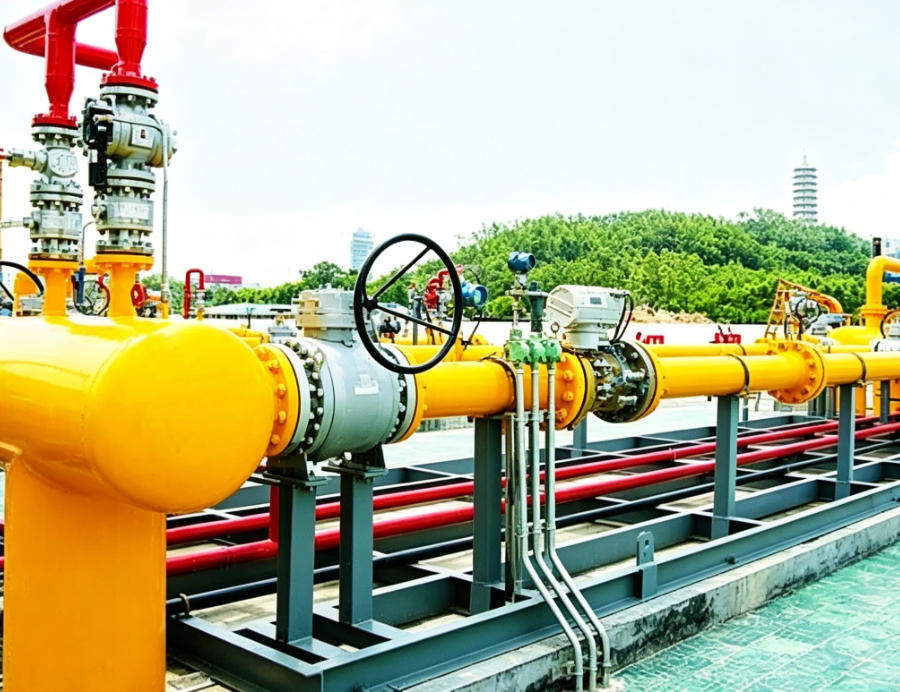
The pumping system is key to overcoming the terrain elevation difference. The project is equipped with six 5,000-horsepower pumps that must overcome a head of approximately 200 meters of water column to pump water uphill. Flow rates vary depending on the pumping direction: when replenishing the Atibainha Reservoir from the Jaguari Reservoir, the maximum flow rate is 8,500 liters per second; in the reverse direction, the maximum flow rate can reach 12,200 liters per second. This design enables the interconnection to operate bidirectionally with regulation capability.
In June 2026, the National Water Agency (ANA) approved an increase in the maximum annual water volume transferred from the Jaguari Hydroelectric Plant to the Atibainha Reservoir from 162 cubic hectometers to 268.28 cubic hectometers, authorizing a maximum intake flow rate of 8.5 cubic meters per second. The authorization is temporary, valid until the end of 2026. When the effective storage capacity of the Cantareira Reservoir recovers to above 60%, the replenishment will automatically be suspended.
This water transfer occurs against the backdrop of the Cantareira System entering a state of alert due to drought, with reduced water intake limits for Sabesp. The Paraíba do Sul River serves as the source for the transfer, and its basin also supplies the state of Rio de Janeiro. Therefore, the authorization is granted under the condition that Rio's water supply is guaranteed, preserving the minimum flow at the Santa Cecília Dam and pumping to the Guandu River. This interconnection helps ensure water supply security for approximately 39 million people in Greater São Paulo, Campinas, the Paraíba Valley, and Rio de Janeiro.