National Grid Selects Siemens Energy for Sea Link
Wedoany.com Report-Apr. 15, National Grid has named Siemens Energy as the preferred bidder for constructing two high-voltage direct current (HVDC) converter stations for the Sea Link project. This milestone enables both parties to secure necessary resources and initiate planning for project execution ahead of the final contract award.
The Sea Link project aims to enhance electricity infrastructure in Kent and Suffolk to deliver renewable and low-carbon energy to households, businesses, and public services. Spanning 138km, the connection will primarily run undersea, linking Pegwell Bay in Kent to a coastal site between Aldeburgh and Thorpeness in Suffolk.
HVDC technology ensures efficient and reliable transmission of large energy volumes over long distances through subsea cables. Onshore cables will connect the converter stations at both ends to the existing grid, making electricity accessible where needed.
As part of National Grid’s The Great Grid Upgrade, Sea Link addresses the growing need for expanded electricity capacity, with demand projected to double. The project supports energy reliability by channeling more renewable and low-carbon power to meet future needs.
Adrian Pierssene, Sea Link project director, stated: "This is a major milestone for Sea Link – a vital part of Great Britain’s energy network, designed to meet rising demand and strengthen energy security. Siemens Energy, a leader in advanced energy technology, brings specialist expertise that will support the delivery of the infrastructure needed for the UK’s future energy network."
Mark Pilling, vice president of grid solutions Europe at Siemens Energy, added: "Sea Link is another crucial step in our efforts to meet the UK’s expanding electricity needs, delivering security of supply and reinforcing our grid – a key part of our energy transition. We’re looking forward to continuing our strong working relationship with National Grid."
The selection of Siemens Energy as the preferred bidder does not influence the ongoing Development Consent Order application, which remains under review by the Planning Inspectorate. The project represents a significant step toward modernizing the UK’s energy infrastructure, ensuring sustainable and reliable power distribution for years to come.
Related Products



TAI Slew-drive Single-axis Independent 1P Tracking Bracket System
ANTAI TECHNOLOGY CO., LTD.
Prefabricated Houses and Electrical Energy Boxes
Chengdu Ruilong Machinery Manufacturing Co., Ltd.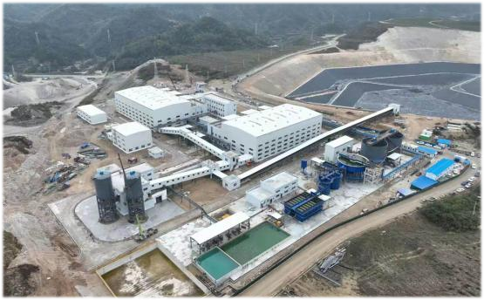
Yingping Mining Section Open-pit Tailings Backfill Treatment of Goaf Ecological Restoration EPC Project
China Bluestar Lehigh Engineering Corporation
Mineral-insulated Compact Busway (Fire-resistant Busduct)
Zhuhai Guangle Electric Busway Co., Ltd.
Environmentally Friendly Flame-retardant PVC Double-layer Insulated Wire
Sichuan Chndo Cable Co., Ltd.
6kV-35kV Medium and High Voltage Direct-Connected Energy Storage System
Hainan Jinpan Smart Technology Co., Ltd.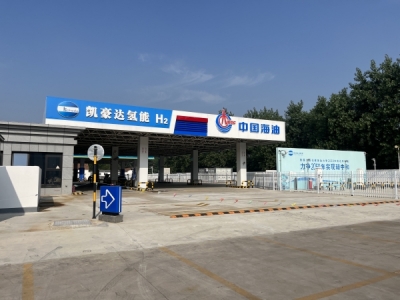
Hydrogen production and hydrogenation charging refueling gas integrated energy station
Shenzhen Kohodo Hydrogen Energy Co., Ltd.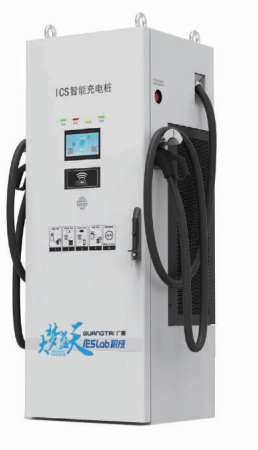

Forest and Grassland Heat Source Infrared Monitor
China Huayun Meteorological Technology Group Co., Ltd.
80kW Megawatt Supercharging Module TH80F10030C9
Shijiazhuang Tonhe Electronics Technologies Co., Ltd.