Brazil's Cedro Invests 700 Million BRL to Install 20 km Belt Conveyor
en.Wedoany.com Reported - Cedro Participações has announced an investment of approximately 700 million BRL to install a long-distance belt conveyor (TCLD) at its operations in Mariana (MG). This equipment is part of a mine expansion project with a total investment of around 4 billion BRL, aiming to increase annual iron ore production from 3 million tons to 5 million tons of pellet feed.
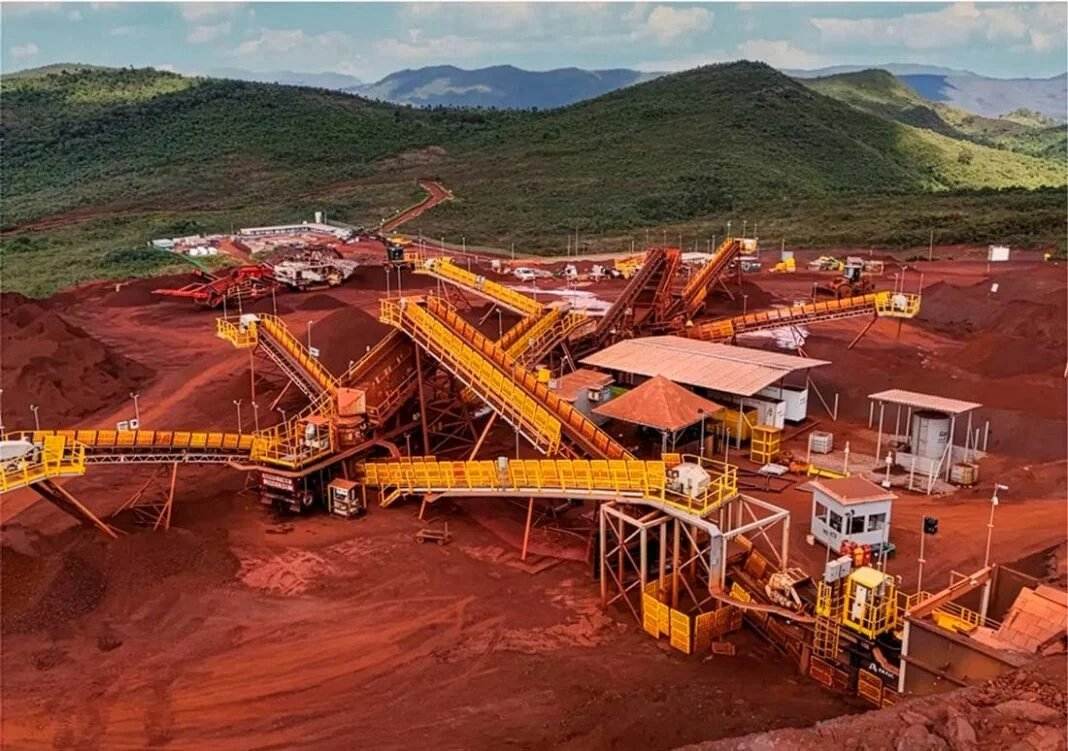
The TCLD is approximately 20 km long and, once completed, will be one of the largest of its kind in Brazil, replacing road truck transport between the mine and the railway interface. This conveyor system can transport 1,800 to 2,000 tons of ore per hour, operating at a speed of 4 meters per second, with a belt width of 1,200 mm.
Ricardo Jeunon, Executive Director of Engineering and Projects at Cedro Mineração, stated that the equipment employs technology allowing horizontal curves during transport, which significantly reduces the need for earthworks, transfer structures, and construction in rugged terrain areas. According to the executive, this eliminates the need to build structural buildings at each belt turn, thereby lowering costs, minimizing environmental impact, and reducing dust generation during ore transfer.
Another feature of the system is its automated monitoring system. The belt will be inspected by a robot operating on a track beneath the equipment. Using artificial intelligence along with vibration and temperature sensors, the system can identify preventive maintenance needs, thereby reducing worker exposure risks on site. The entire operation will be remotely controlled from a control room.
In addition to eliminating road transport of ore, the company estimates that this TCLD will avoid approximately 54,000 tons of carbon dioxide (CO₂) emissions annually, mainly due to replacing diesel consumption and reducing tire wear. The removal of trucks will also lower dust, noise, and traffic levels within the current vehicle travel range of about 20 km.
The system will be powered by electricity from the Minas Gerais state distribution grid, which has an energy mix dominated by renewable sources, and will be equipped with regenerative drives to reduce energy consumption. Jeunon noted that the technology also reduces the need to open new internal roads, improves operational processes, reduces logistical bottlenecks, and makes transport more efficient and sustainable.
Cedro stated that the process for obtaining the Installation License (Licença de Instalação, LI) is in its final stages. Meanwhile, the company is completing the detailed engineering design and the Project Execution Plan (Plano de Execução do Projeto, PEP). After the environmental license is issued, vegetation clearing and earthworks will begin. The system installation is expected to be completed within approximately 36 months, depending on regional climatic conditions.
The Mariana project is part of Cedro's strategy to expand annual production to 9 million tons by 2028 and 20 million tons by 2030, positioning the company among Brazil's top five iron ore producers. With the expansion, all of the plant's output will be converted into pellet feed, a high-quality raw material with low impurity content that can reduce carbon emissions in steelmaking by up to 50%.
The company also highlighted other sustainability initiatives, such as tailings filtration and dry stacking, eliminating the need for tailings dams, and the recycling of approximately 85% of water used in its industrial processes. In the coming years, Cedro plans to shift all its production to direct reduction pellet feed (PFRD), aiming for 100% production of this product by the end of the decade, thereby strengthening its position in the European and Middle Eastern markets.
Related Products


Comprehensive Mining Automation Control System
Beijing Tianma Intelligent Control Technology Co., Ltd.

Industrial and Commercial Point-Type Gas Detector
Jinan Benan Technology Development Co., Ltd.
Quick-Change Single-Seat Control Valve / Quick-Change High-Pressure Single-Seat Control Valve
Beijing Consen Automation Technology Co., Ltd.
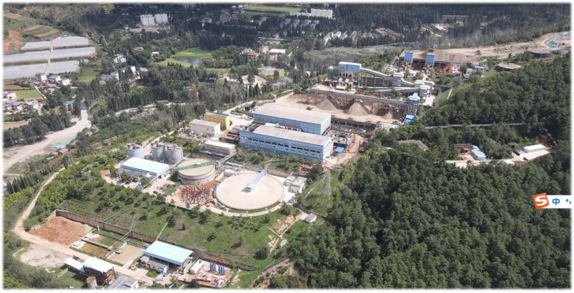
Yunnan Phosphorus Chemical Group Co., Ltd. 2 Million t/a Phosphorus Ore Mining and Beneficiation Project
China Bluestar Lehigh Engineering Corporation