Fraunhofer Institute for Machine Tools and Forming Technology Develops New Process for Producing Aluminum Foam from Aluminum Scrap
en.Wedoany.com Reported - Aluminum is an important material for sustainable mobility and resource-efficient products, but its production is extremely energy-intensive. A research team at the Fraunhofer Institute for Machine Tools and Forming Technology (Fraunhofer IWU) in Germany has demonstrated a new recycling pathway that selectively feeds production waste, aluminum shavings, and end-of-life aluminum foam components back into the production process, making the circular-oriented production of aluminum foam more feasible and potentially reducing the use of primary aluminum.
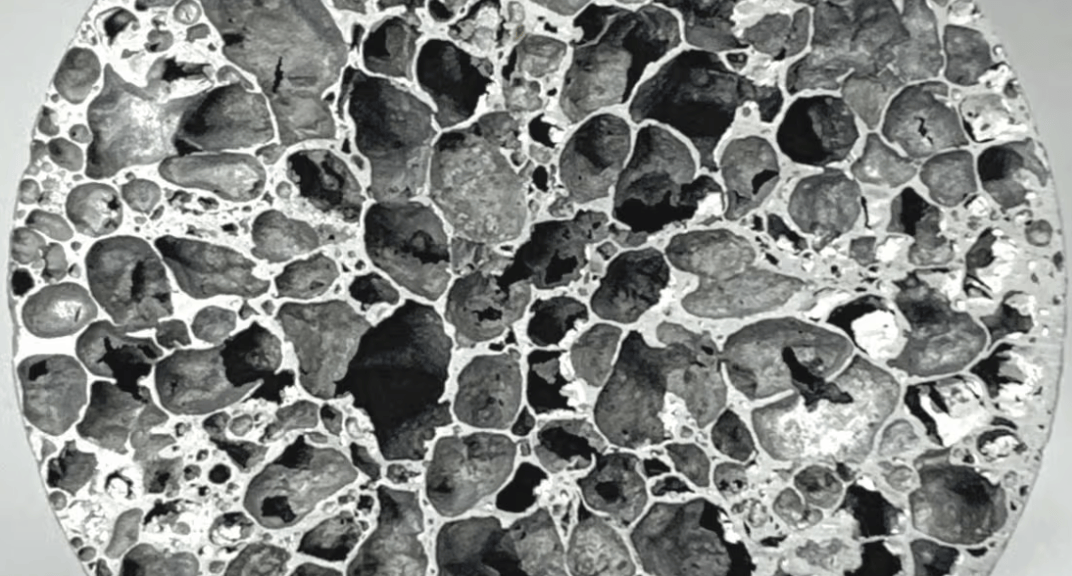
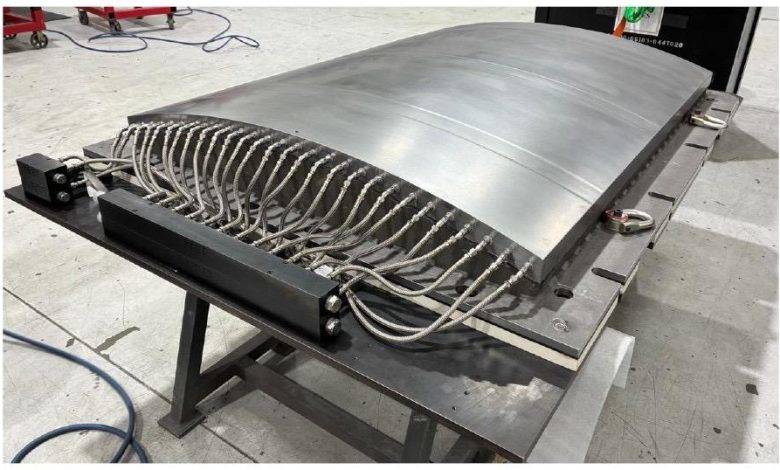
Aluminum foam is a lightweight structural material with low density, high energy absorption capacity, and good damping properties, commonly used in automotive manufacturing, mechanical structures, construction, and energy-efficient lightweight systems. Currently, this material is primarily produced via powder metallurgy using aluminum alloy powder, a process that is relatively complex and costly.
The team focuses on the utilization of recycled materials in powder metallurgy foam production, including pure-grade aluminum shavings, production waste, and end-of-life materials. A key approach involves partially or fully replacing energy-intensive new aluminum alloy powder with treated aluminum shavings: the shavings are ground and size-classified to form a powder feedstock that can be further processed into foamable semi-finished products, yielding foams with structure and density comparable to those produced via conventional processes.
Dr.-Ing. Jörg Hohlfeld, head of the Metal Foam Group at Fraunhofer IWU, points out that directly returning production waste to the material cycle has high ecological and economic value; the production of recycled aluminum requires significantly less energy than primary aluminum, thereby reducing both material costs and CO₂ emissions.
In addition to aluminum shavings, the research also covers larger aluminum scrap streams such as foil, coils (edge trim from large aluminum plate coils), and wheel hub materials. After multiple mechanical processing steps including cutting, crushing, grinding, and screening, these materials yield a defined particle size suitable for foam production. In theory, end-of-life aluminum foam components can also be reintroduced into the material cycle; the team has developed corresponding crushing, sorting, and material-property-based classification post-treatment methods. Recycling does not rely on simple remelting but employs solid-state recycling, which preserves most of the original material structure in the final product, thereby reducing energy consumption and material losses.
The research shows that powdered aluminum scrap can technically serve as an equivalent substitute for new aluminum alloy powder. In sectors with high lightweighting requirements, such as automotive manufacturing, mechanical engineering, and rail technology, this recycling approach supports the creation of circular value chains. As a next step, the team plans to continue developing material properties that remain stable despite fluctuations in scrap quality, while also conducting life cycle assessments to provide quantitative data for industrial applications.
Related Products


High-Speed Railway Lifting, Transporting, and Erecting Equipment: Integrated Transport and Erection Machine
Hanjiang Heavy Industry Co., Ltd. of China Railway 11th Bureau Group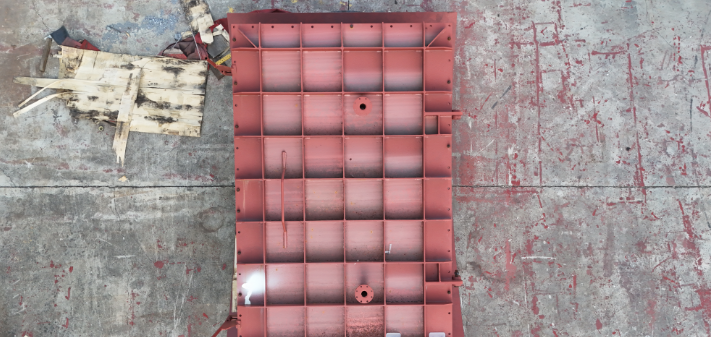
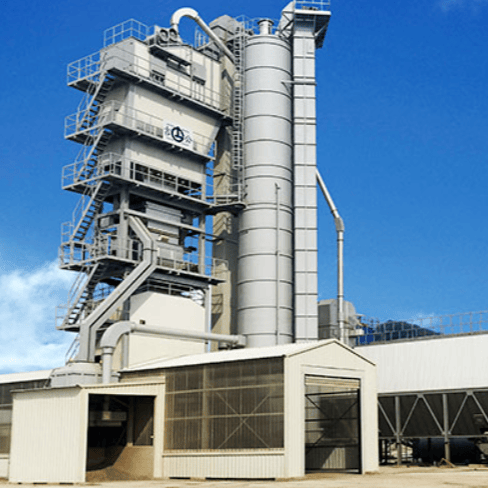
LBH4000 Batch Environmental Protection Asphalt Mixing Plant | Asphalt Batching Plant | Asphalt Mixing Plant
Jilin Province Road Construction Machinery Co., Ltd.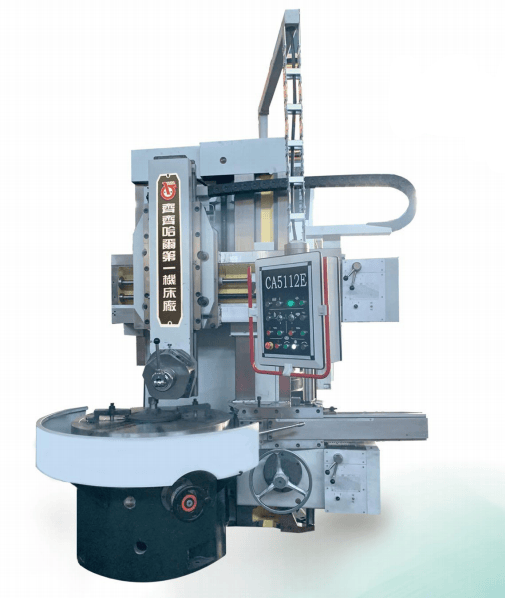


Industrial and Commercial Point-Type Gas Detector
Jinan Benan Technology Development Co., Ltd.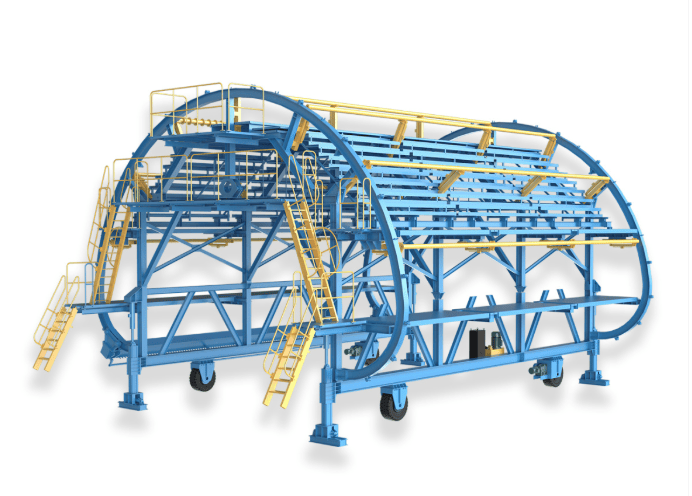
QLZNGJ Intelligent Steel Reinforcement Trolley
Luoyang China Railway Qiangli Machinery Co., Ltd.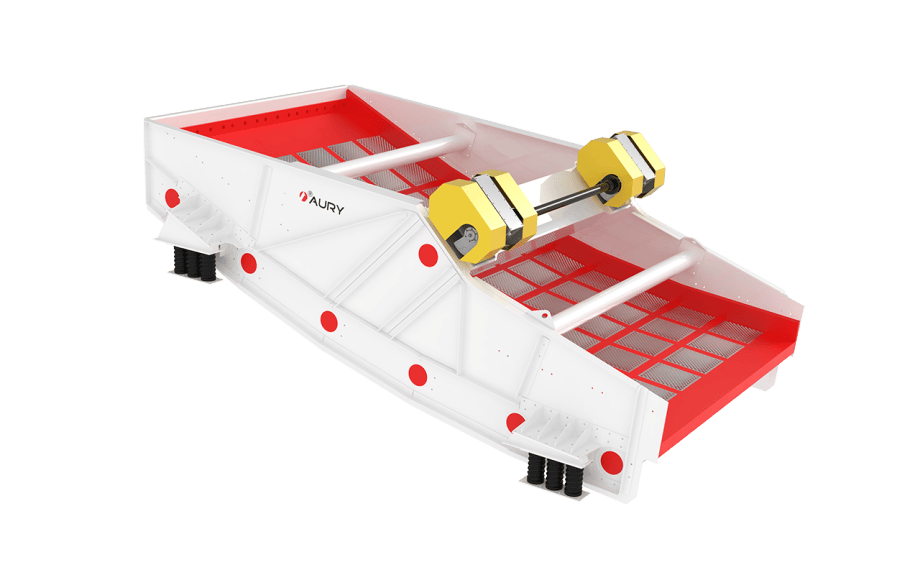
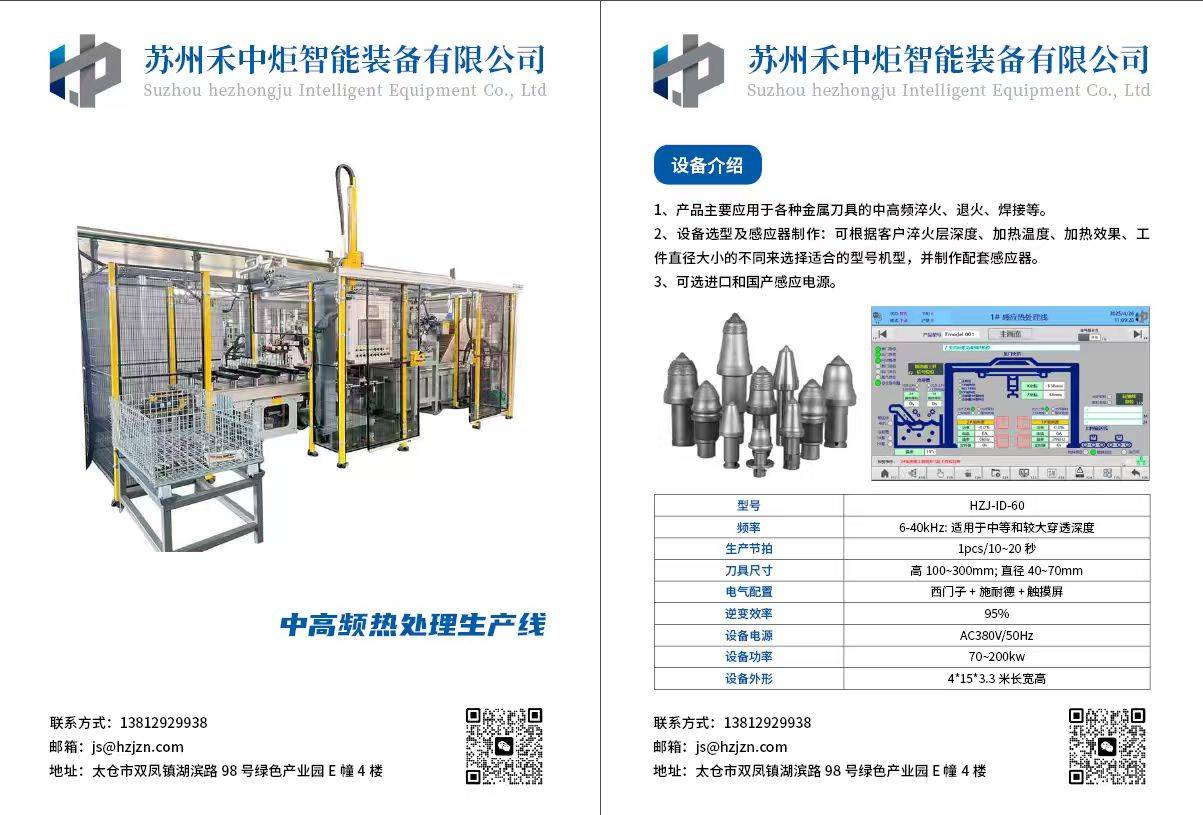
Excavator Bucket Teeth Heat Treatment Production Line
Suzhou Hezhongju Intelligent Equipment Co., Ltd.
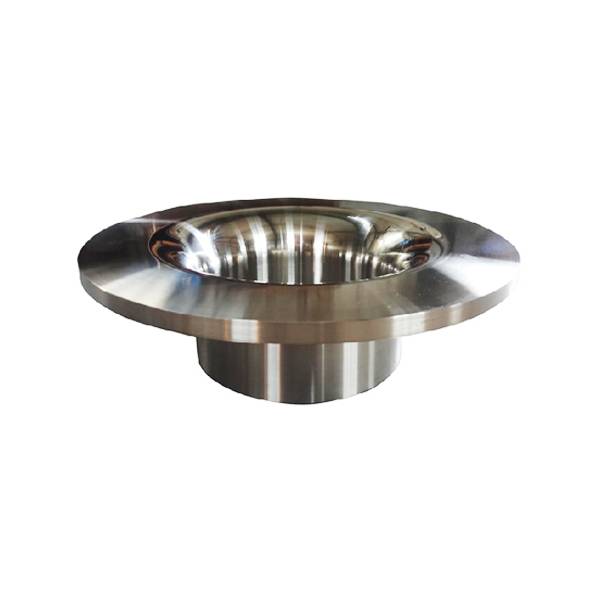
Standard Nozzle Flowmeter
Jinggong Automatic Control Instrument Complete Technology Development Company