US Meta Considers Selling AI Computing Power
en.Wedoany.com Reported - Meta is planning to sell some of its AI computing power externally, transforming these computing resources from internal tools into commercial products.

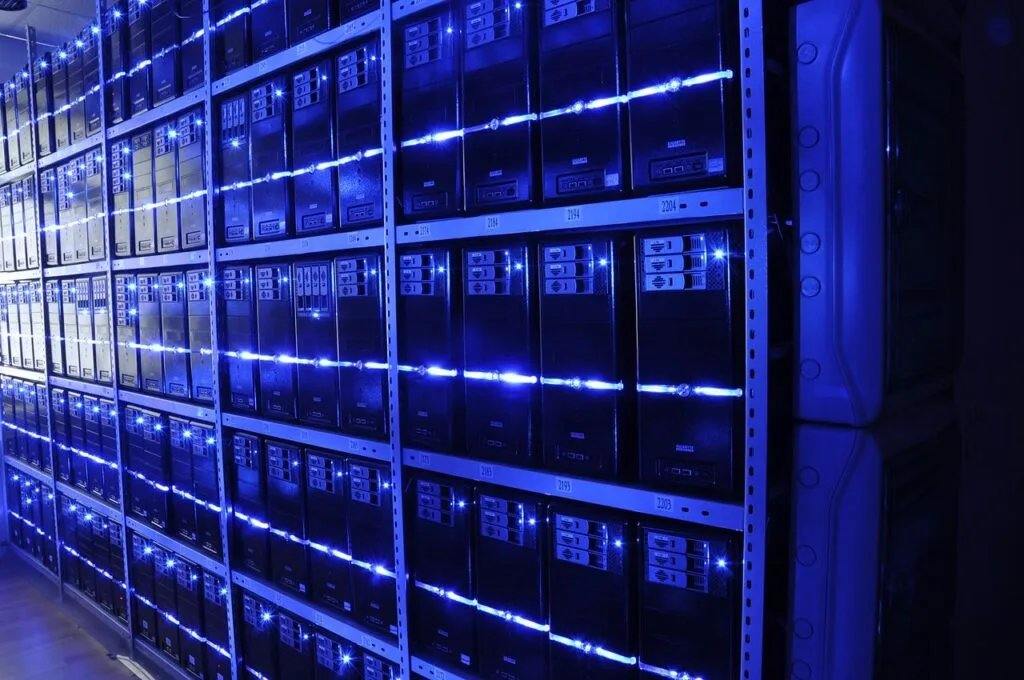
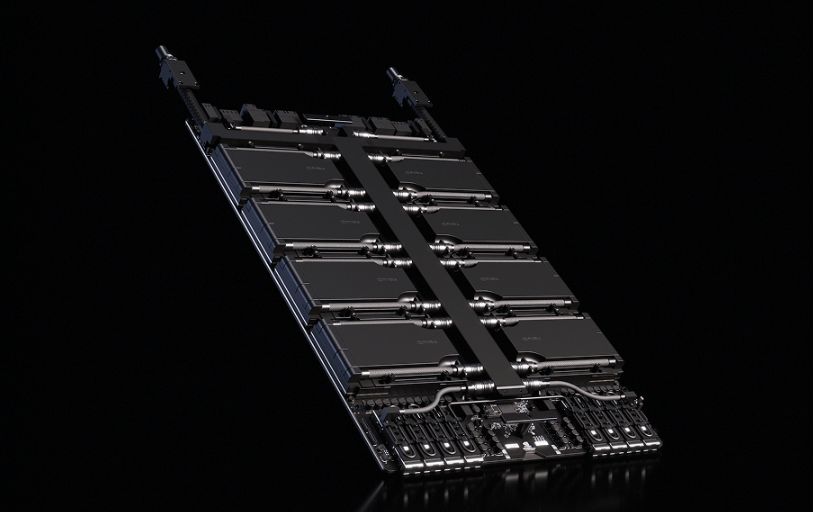
The company has invested heavily in AI infrastructure, resulting in a substantial scale of computing power. According to reports, Meta is exploring two commercialization paths: first, basic computing power leasing, closer to the CoreWeave model, where customers pay for access to high-demand processing capabilities; second, a hyperscale cloud provider model, where customers can access AI models running on the provider's infrastructure. Bloomberg reports that Meta is also considering offering access to multiple models, including its newly released closed-weight model, Muse Spark.
Both paths face numerous challenges. Reselling computing power may seem straightforward, but customers will demand reliability, security boundaries, billing transparency, workload scheduling, compliance, support, and geographic availability. Model access brings burdens such as developer tools, governance, service-level commitments, and enterprise contracts, while users continuously question whether these models are good enough to justify shifting spending away from OpenAI, Google, Anthropic, Amazon Web Services, or Microsoft Azure.
Cloud infrastructure differs from Meta's advertising business. Meta's core advertising business is highly profitable, whereas cloud infrastructure is a capital-intensive industry with stringent operational requirements, influenced by hardware cycles, energy constraints, and customer concentration risks. Amazon, Microsoft, and Google took years to make their cloud businesses profitable, building massive sales organizations, compliance programs, partner ecosystems, and developer platforms. Meta has technological scale but lacks comparable enterprise cloud capabilities.
This gap is significant for infrastructure buyers. If supply is constrained or pricing is aggressive, purchasing idle AI computing power from Meta could be attractive. However, enterprises will ask whether Meta can support production workloads, not just experimental training tasks. They need contractual guarantees, regional control, and clear explanations of data usage. Meta's history with consumer data will not be irrelevant in these conversations.
Meta's open-weight model family, Llama, has impacted developers, but the company has not separately disclosed revenue from Llama or Meta AI. Public comments mostly position AI as an internal productivity, product, and user engagement layer, suggesting Meta has not yet created an independent AI revenue stream comparable to cloud providers. Therefore, selling computing power seems more like a financial pressure relief valve than a strategic transformation. AI capital expenditures are enormous, and if some computing power is underutilized, monetizing it could ease the burden. However, once external customers become dependent, these resources are no longer idle but become service obligations.
For investors, this move may raise concerns, as cloud computing is a lower-margin business for enterprises. However, if it lowers GPU prices or expands model choices, developers might welcome Meta's entry. If Meta integrates model hosting, infrastructure, consumer distribution, and the open-weight ecosystem into a single commercial stack, regulators may also scrutinize it more closely. Meta has the data center footprint, AI ambitions, and balance sheet, but what it lacks is proof that the enterprise market is willing to accept it as a cloud provider, rather than just a social platform with massive clusters.
Related Products



GYTA Type Non-Self-Supporting Aerial/Duct Optical Cable
TONGDING INTERCONNECTION INFORMATION CO., LTD.
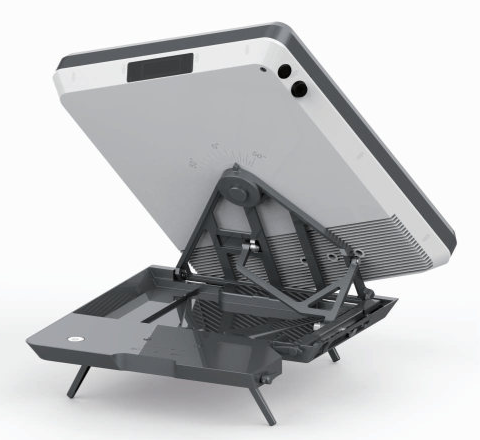
Flat Portable Satellite Terminal 0.35m Aperture Manual Portable Terminal
China Starwin Science & Technology Co., Ltd.
Mine Explosion-proof and Intrinsically Safe Industrial Ethernet Ring Network (10 Gigabit/Gigabit)
Chongqing Mas Sci&Tech Co., Ltd.