en.Wedoany.com Reported - Kenya plans to adopt a government-telecom operator collaborative approach to drive improvements in telecom service quality. Steve Isaboke, Principal Secretary for Broadcasting and Telecommunications at the Ministry of Information, Communications and the Digital Economy, proposed this collaborative scheme at a stakeholder meeting organized by the Communications Authority of Kenya (CA) on July 2.
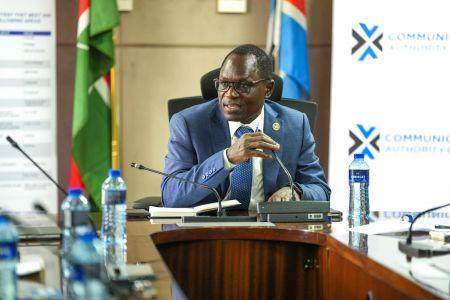
As digital transformation drives continuous growth in demand for connectivity services, Kenyan public authorities and telecom operators plan to jointly address the increasingly pressing issue of service quality. Steve Isaboke stated that against the backdrop of growing demand for digital services, the government and enterprises have held consultative meetings to assess service quality nationwide and examine new challenges. He said every effort will be made to ensure that the Kenyan people receive the services they deserve, and that shortcomings, particularly those arising from technological developments, will be addressed collectively.
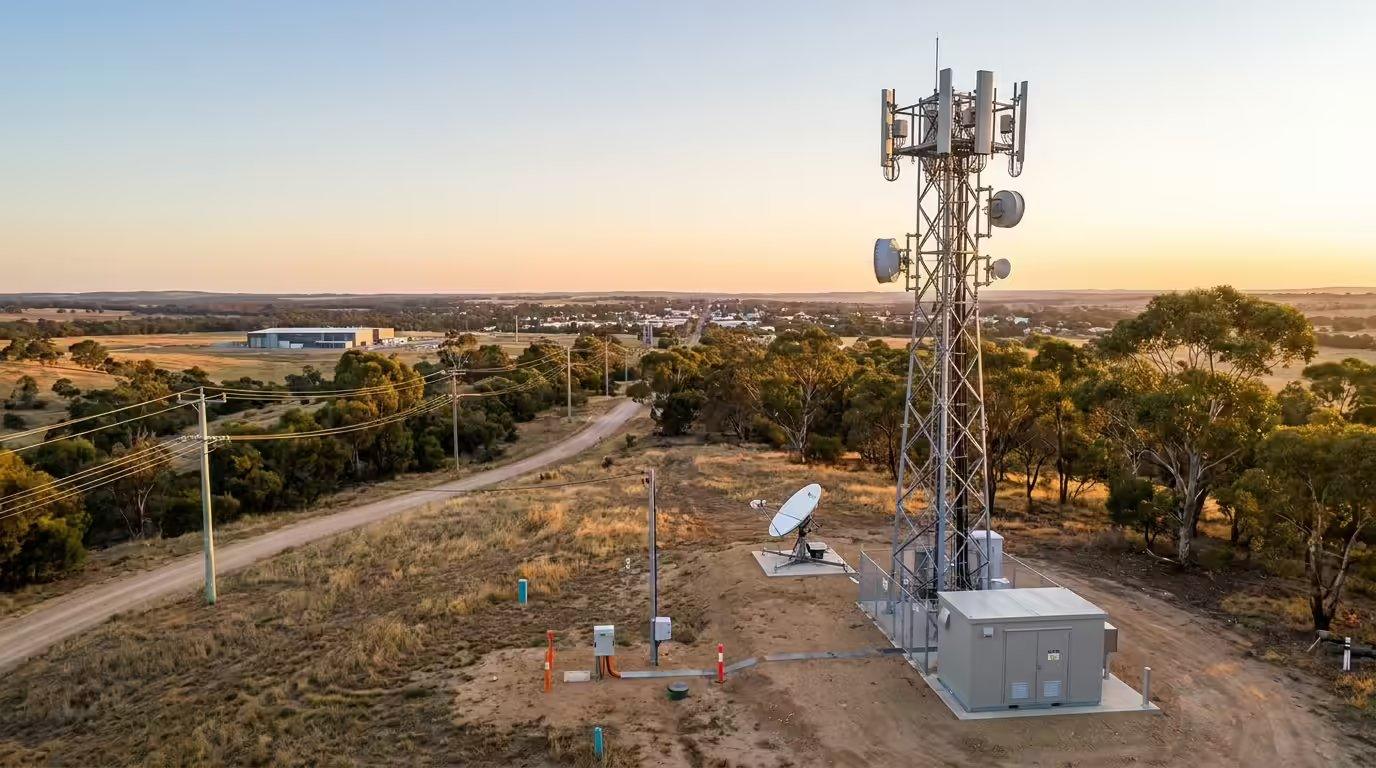
Kenya's measures to improve telecom service quality will be implemented across multiple fronts. The Principal Secretary emphasized the need to expand network coverage to underserved areas, prepare for artificial intelligence and 5G, and ensure reliable connectivity for the 2027 Africa Cup of Nations, which Kenya is co-hosting. The government will collaborate with the Ministry of Sports and other stakeholders to integrate reliable connectivity into event facilities such as stadiums, airports, and hotels.
Peter Ndegwa, CEO of Safaricom, mentioned that challenges facing the industry include rapid urbanization, an increase in high-rise buildings, extending coverage to remote areas, and sustained investment in fiber optic, 4G, and 5G infrastructure. He added that a reliable power supply is crucial for ensuring continuity of communication services, and operators are continuously investing in backup power systems while encouraging users to migrate from 2G terminals to 4G-compatible devices. He also acknowledged that difficulties persist in certain areas due to evolving urban environments and topographical constraints, but operators are considering customer feedback and working with regulators under the Universal Service Fund framework to improve connectivity in underserved areas.
Kenya's collaborative approach differs from the common practice across the African continent, where responsibility for improving service quality is typically left to telecom operators. In some countries, operators face repeated warnings, threats of sanctions, or actual sanctions for failing to meet service quality obligations. This approach is closer to what the GSMA calls the direct model. The GSMA believes that under this model, certain targets set by regulators may be overly complex or even unattainable, and a large number of uncoordinated indicators could prove counterproductive and discourage long-term network investment. To overcome these limitations, the GSMA advocates for a collaborative regulatory approach based on transparently negotiated, regularly published, and consumer-friendly performance targets, enabling users to better understand actual service quality and fostering healthier competition by rewarding the best-performing operators.