John Innes Centre in the UK develops wheat with starch granules twice the normal size
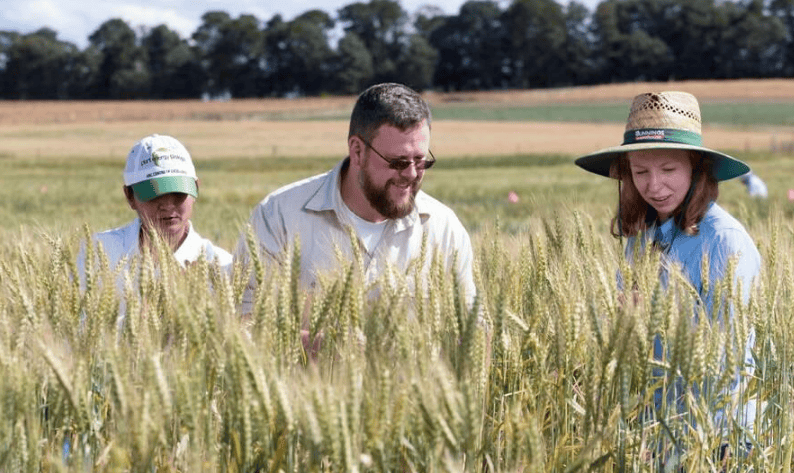
en.Wedoany.com Reported - The Seung research group at the John Innes Centre has used bioengineering to develop a durum wheat variety containing super-large starch granules. These starch granules can reach up to more than twice the size of normal granules, offering potential applications in food processing and industries such as papermaking, pharmaceuticals, cosmetics, and textiles.
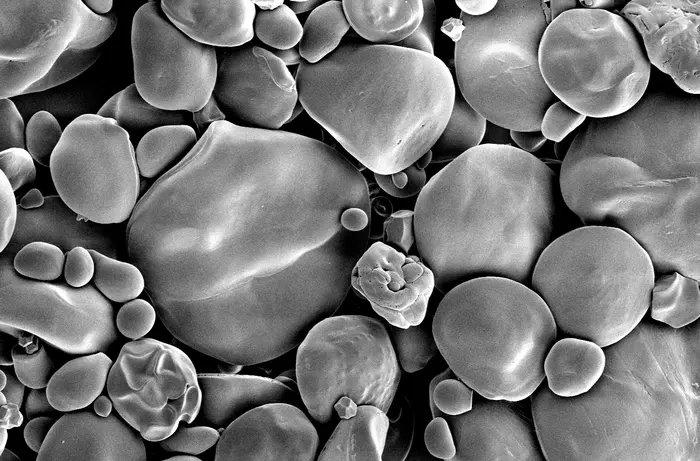
The research team found that two cellular factors limiting starch granule growth are the space available for granule growth within the amyloplast and the number of granules that initiate and compete for growth substrates. Using traditional breeding methods and the TILLING mutant library at the John Innes Centre, they screened for plants with mutations in genes controlling these two factors, and then developed double-mutant plants combining both traits, thereby removing the limitations.
Scanning electron microscopy imaging showed that the A-type starch granules produced by the experimental plants reached up to 50 micrometers, while typical wheat granules are around 20 micrometers. More than half of the granules were over 30 micrometers, compared to just 6% in normal wheat.
Larger starch granules digest more slowly in the upper gastrointestinal tract, helping to slow post-meal blood sugar spikes and positively influencing the gut microbiome. In industry, these granules offer better separation, simplifying processing in sectors like papermaking and packaging, and provide advantages in adhesion and thickening.
Rose McNelly, first author of the study, said the new granules were far larger than the team expected, even requiring adjustments to the aperture of the particle size analyzer to capture the full size range. Dr. Fred Warren, team leader at the Quadram Institute, noted that the team plans to make pasta from this material and test its resistance to digestion in human trials, studying its effects on post-meal blood sugar and gut microbial diversity. The research team pointed out that this proof of concept could also be applied to improve bread wheat varieties.
The research findings were published in Science Advances under the title "Targeting granule initiation and amyloplast structure creates giant starch granules in wheat." PBL (the technology transfer company of the John Innes Centre) is managing the intellectual property generated by this project.
Related Products




4HS-8 High-efficiency Peanut Inverted-laying Harvester
Hebei Yongfa Hongtian Agricultural Machinery Manufacturing Co., Ltd.
714CD Series C-Band Weather Radar
Chengdu Zhongdian Jinjiang Information Industry Co., Ltd.

Industrial and Commercial Point-Type Gas Detector
Jinan Benan Technology Development Co., Ltd.