Brazil's EPE Identifies 8.8 GW of Potential Data Center Projects in São Paulo State
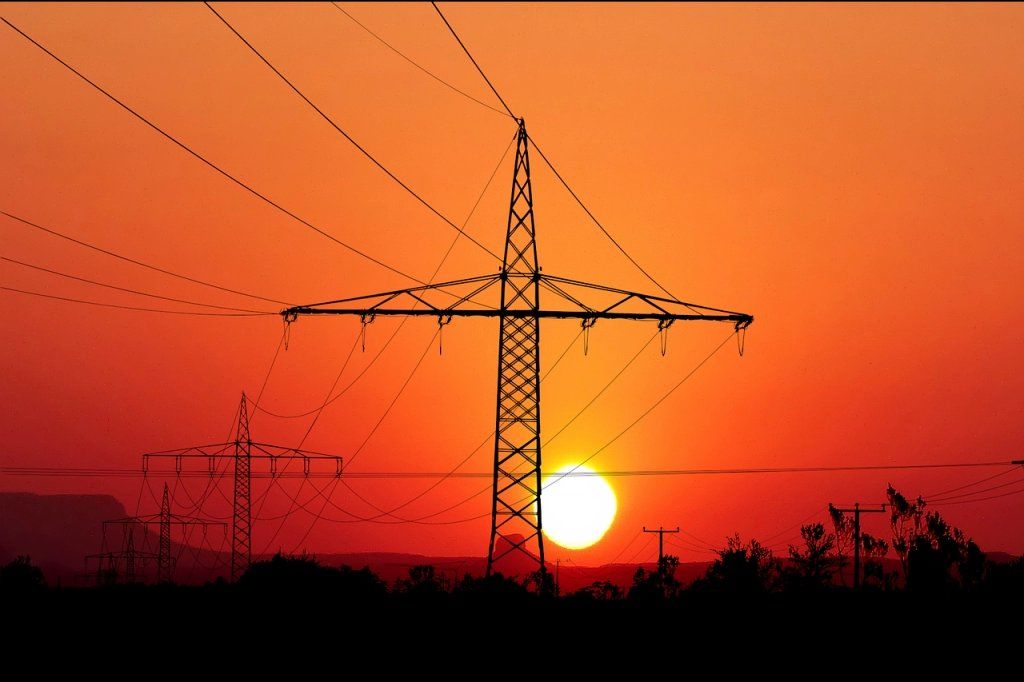
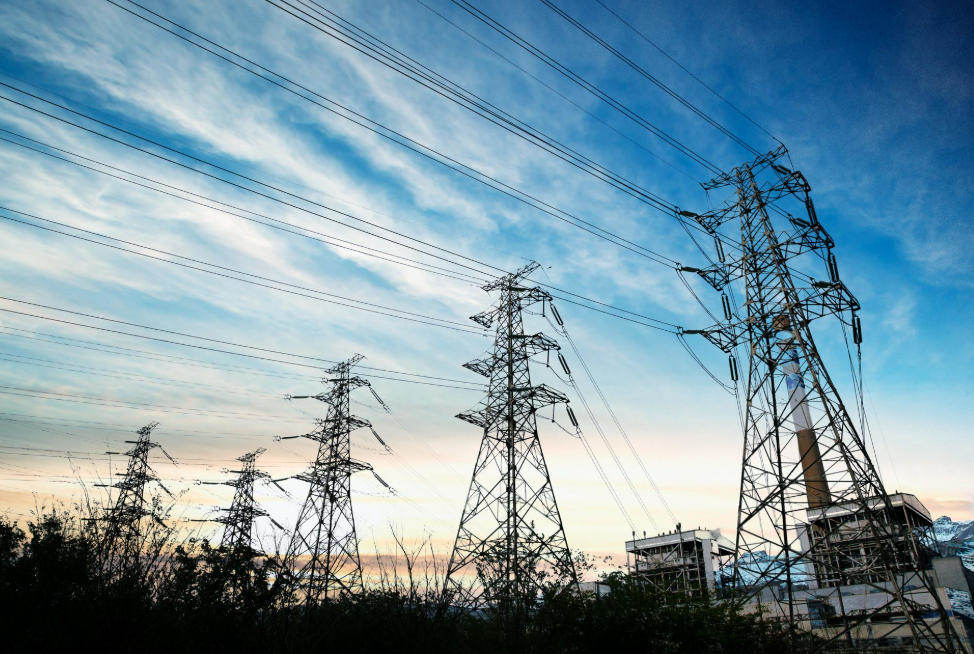
en.Wedoany.com Reported - The latest mapping by Brazil's Energy Research Company (Empresa de Pesquisa Energética, EPE) has identified approximately 8.8 GW of potential data center projects in São Paulo State, primarily concentrated in the São Paulo metropolitan area and the Campinas region. The state-owned planning agency noted at a seminar that the main challenge lies in the mismatch between the 2-to-4-year commissioning timeline of these projects and the 5-to-8-year construction period for transmission projects.

EPE revealed that known connection requests through 2038 total approximately 54 GW of potential demand, nearly half of the current peak load observed by Brazil's National Electric System Operator (ONS). These load projects are characterized by large scale, regional concentration, and short implementation cycles, significantly differing from traditional distribution grid supply models.
Daniel Souza, Technical Advisor at EPE's Transmission Regulatory Department (STE), stated that São Paulo State has long been a popular location for large data centers due to its robust fiber optic infrastructure and the low latency requirements of digital services. Projects are mainly concentrated in the São Paulo metropolitan area and the Greater Campinas region, particularly at the Bom Jardim power node. He emphasized that the 2-to-4-year commissioning speed of these projects is much faster than transmission projects, making timeline alignment a core issue.
To address transmission pressure in São Paulo State, EPE proposed several solutions: strengthening the 230 kV transmission corridor between Cabreúva and Anhanguera, expanding the Bom Jardim substation, and deploying power flow control equipment to quickly relieve grid load. In the central region, the transmission corridor from Cabreúva to Anhanguera (via Edgar de Souza) is already saturated. Alternatives include installing a 500 MVA phase-shifting transformer at the Anhanguera substation and constructing a 5-kilometer underground transmission line, with related investments of approximately 308 million Brazilian reais.
In the Campinas region, the Bom Jardim substation is expected to experience overload in 2027 and 2028. EPE's proposed solutions include expanding the 440/88 kV transformer capacity from 900 MVA to 1,200 MVA, and the 440/138 kV transformer capacity from 150 MVA to 600 MVA. Additionally, plans include strengthening the Fernando Dias substation and replacing terminal equipment on the line between Ribeirão Preto and Santa Bárbara d’Oeste.
André Cassino, Energy Research Analyst at EPE's Environmental Regulatory Department (SMA), pointed out that spatial constraints in the São Paulo urban area pose challenges for transmission planning. Field analysis has led to the abandonment of a planned 345 kV line project originally intended for Santo Ângelo due to urban expansion. For the Miguel Reali-Centro underground transmission line, the team surveyed 26 points over two days, considering interferences from water, sewage, and gas networks to determine the optimal route, and utilized EPE's Spatial Modeling System (SIMEP) to reduce subjectivity in line routing and land use selection.
The seminar also linked transmission expansion to the National Transmission System Access Policy (Pnast), established by Decree No. 12,772 of December 2025. This policy defines access windows and competition criteria for capacity-scarce points. In capacity-constrained areas, the selection criterion is the highest premium in reais per kilowatt, requiring financial guarantees for participation and performance. ONS opened registration for the first access window on June 1, with receipt of registrations closing on June 15 and review by June 30. Operators must publish technical notes disclosing remaining capacity by August 31. The competition period is set from September 28 to October 8.
Related Products

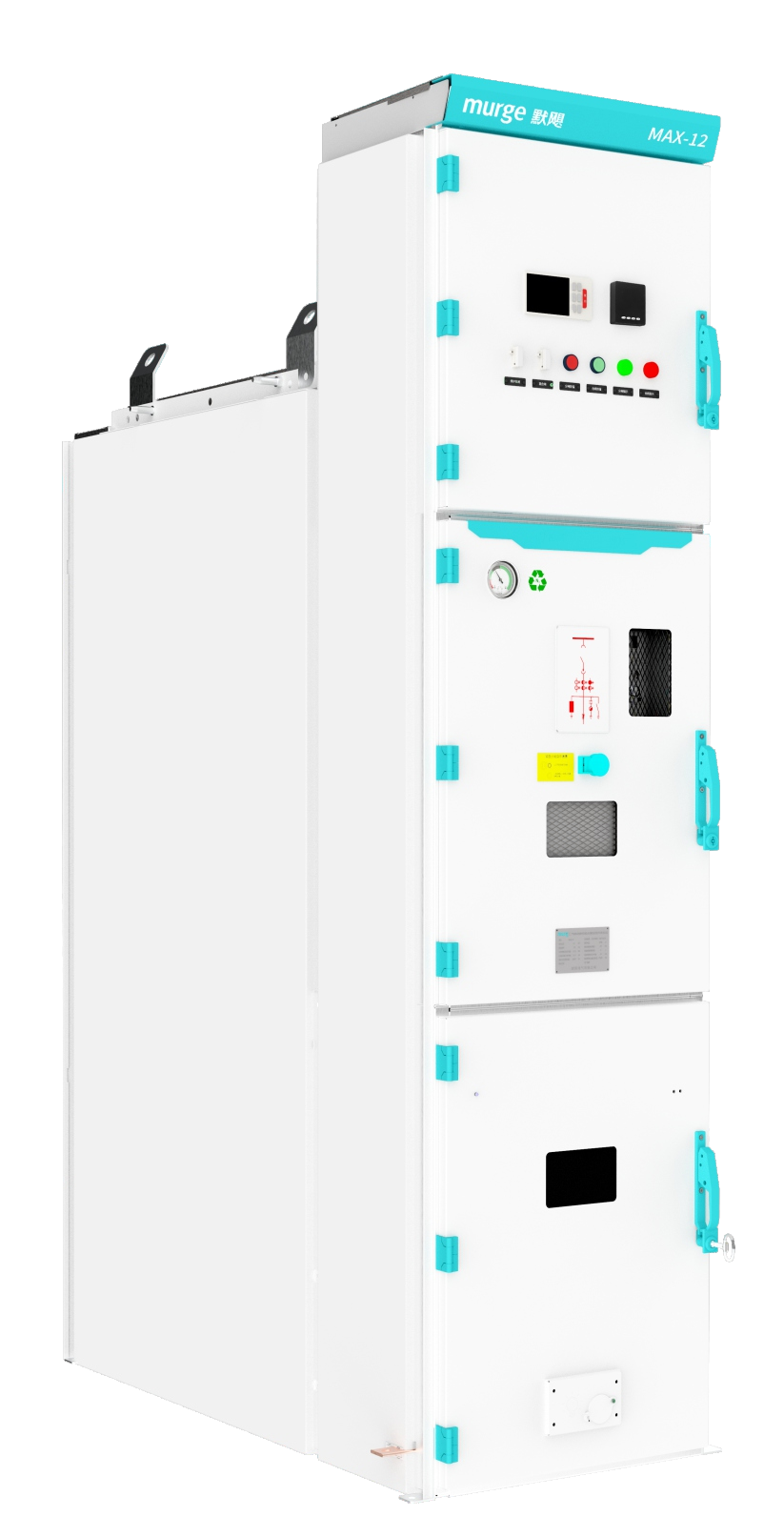
MAX-12 series Environmental Protection/SF6 gas insulated switchgear (C-GIS)
Murge Electric Co.,Ltd.
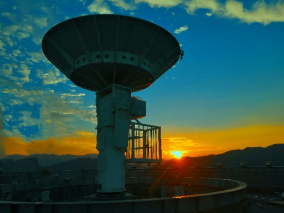
714CD Series C-Band Weather Radar
Chengdu Zhongdian Jinjiang Information Industry Co., Ltd.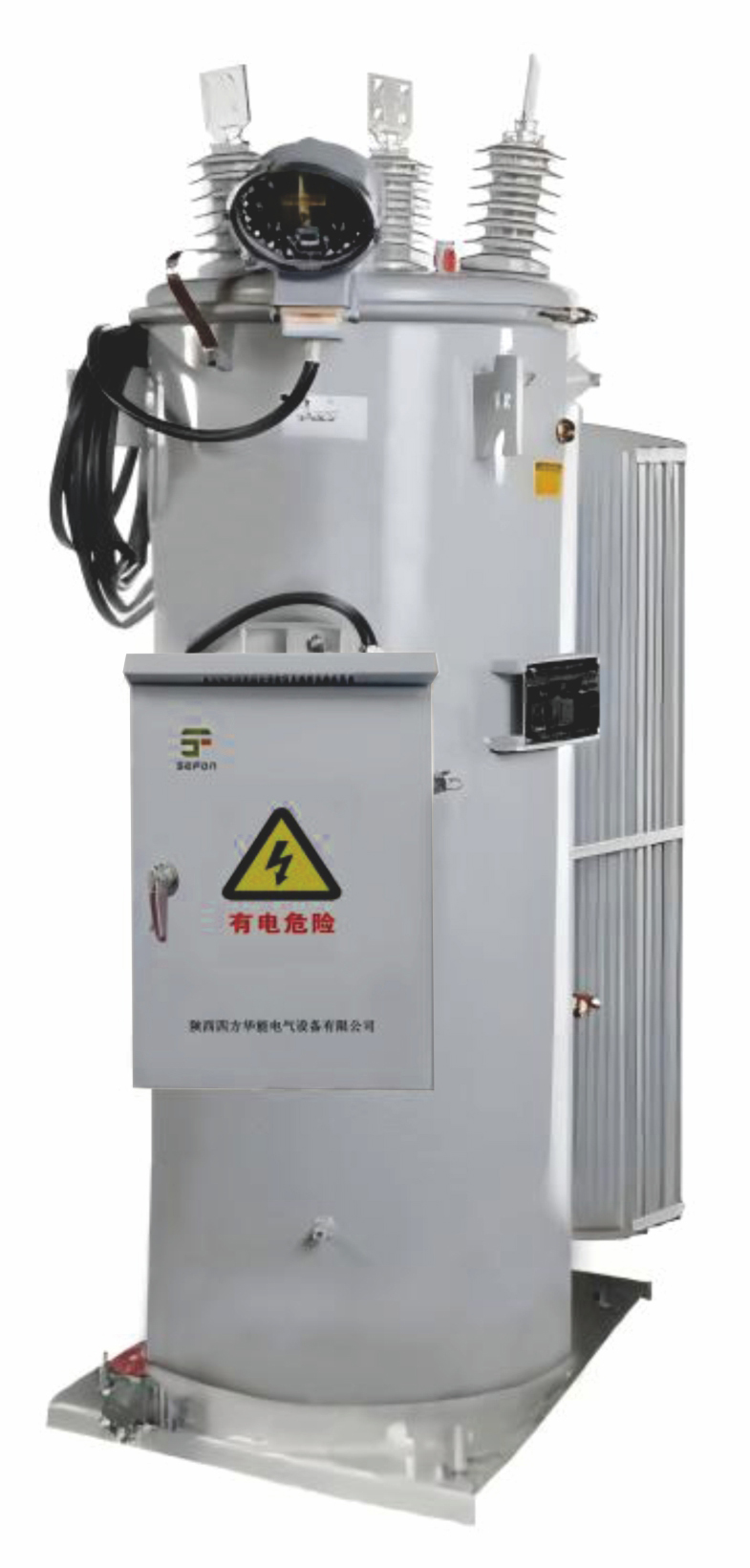
Single-Phase Automatic Voltage Regulator(AVR)
Shaanxi Sefon Electrical Equipment Co.,Ltd.

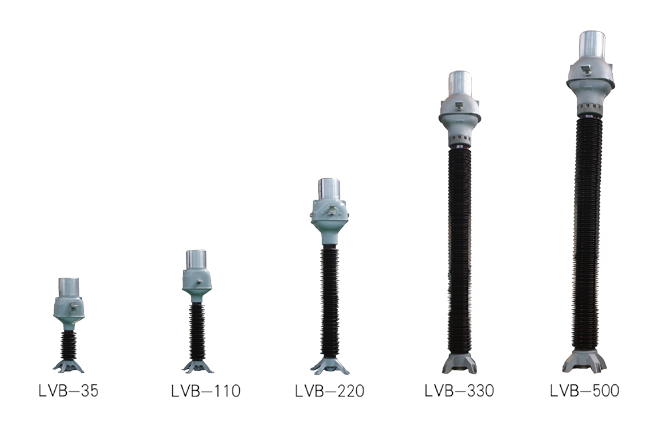
LVB Series 35-500kV Oil-immersed Inverted Current Transformer
Shandong TaiKai Instrument Transformer Co., Ltd.
Perfluorinated Ionic Membrane-CM-10N Series Membrane
Guizhou Juneng Century Technology Co., Ltd