Brazil's CMOC reduces iron-niobium cost by 3.45% through raw material substitution
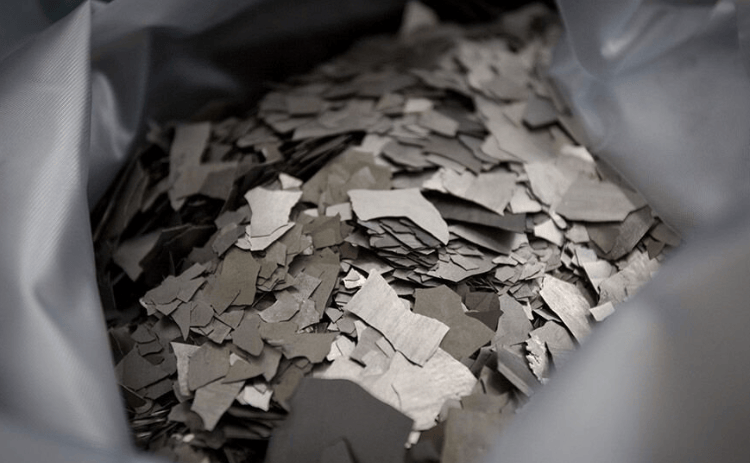
en.Wedoany.com Reported - Mining company CMOC Brasil has reduced the annual metallurgical cost of iron-niobium production by approximately 3.45% in 2025 through raw material substitution technology, while also cutting the process carbon footprint by about 23%. The technology focuses on the strategic substitution of key raw materials in the aluminothermic reduction process, using lower-cost and more environmentally friendly materials such as calcium nitrate, Type 3 aluminum, granular aluminum, and recycled aluminum powder to achieve cost reduction and efficiency improvement without compromising operational stability or product quality.
The metallurgical stage is one of the most cost-intensive links in the iron-niobium production chain. At CMOC Brasil, alloy production employs the aluminothermic reduction process, where metallic aluminum serves as both a reducing agent and the primary source of thermal energy for the system. Since no electric furnaces are used, the process traditionally relies on sodium nitrate as an oxidizer to supplement energy and promote complete melting of the furnace charge. Aluminum powder and nitrates thus constitute the most significant variable cost components in the entire niobium production chain.
The aluminothermic reduction process is carried out in batches, involving a mixture of pyrochlore concentrate, iron oxide, quicklime, nitrates, and aluminum powder. The reaction of aluminum reducing metal oxides is highly exothermic, generating both the metal alloy and the energy required for complete melting of the charge. In response to this situation, CMOC has developed a technological innovation plan focused on evaluating the feasibility of alternative raw materials in terms of operational stability, niobium metallurgical recovery, and iron-niobium alloy quality.
Specific action directions include: partially replacing sodium nitrate with calcium nitrate—a more economical raw material with no previously recorded application in the aluminothermic reduction process for iron-niobium production; partially replacing traditional secondary aluminum with lower-cost alternatives such as Type 3 aluminum (approximately 96.5% purity) and granular aluminum; and gradually increasing the consumption of recycled aluminum powder starting from 2025, significantly raising its participation in the process.
Implementation results in 2025 show that this substitution plan reduced the annual metallurgical cost by approximately 3.45%, making it one of the main cost optimization measures during this period. Cost savings primarily stem from price differences between alternative raw materials, reduced unit consumption of aluminum, and expanded use of recycled materials. Additionally, raw material substitution helps strengthen supply chain resilience by developing new suppliers, enhancing operational flexibility, and improving the purchasing department's bargaining power, thereby reducing price volatility and supply risks for critical materials. The significant reduction in carbon footprint results from decreased reliance on virgin raw materials.
CMOC Brasil is the world's second-largest producer of iron-niobium alloy and Brazil's second-largest producer of phosphate fertilizers. In Brazil, it operates a niobium mine and industrial plant in Catalão (Goiás State), a phosphate mine and industrial plant in Ouvidor (Goiás State), and a chemical plant in Cubatão (São Paulo State). In 2024, the company produced 1,180,537 tons of fertilizers and 10,024 tons of niobium.
Related Products

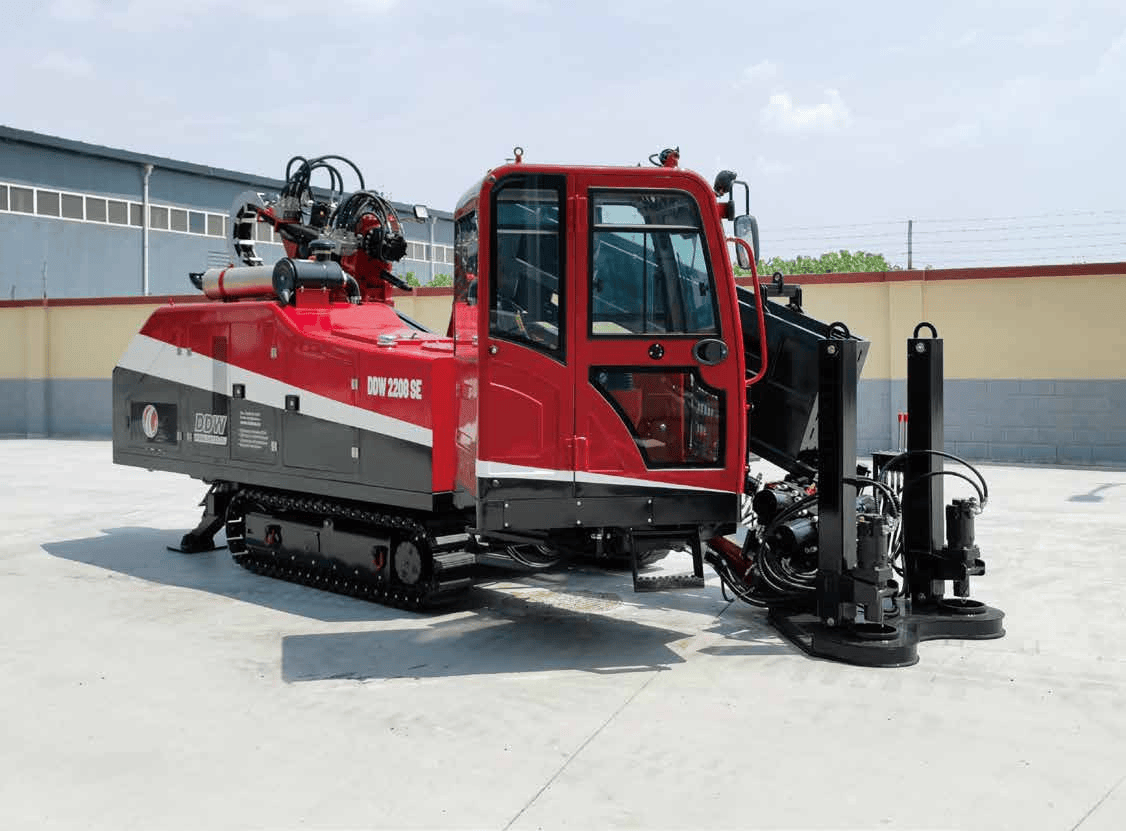
DDW22/08SE-HORIZONTAL DIRECTIONAL DRILL
DW/TXS Construction Equipment (Beijing) Co., Ltd.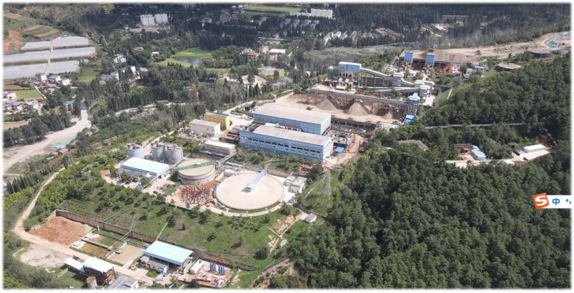
Yunnan Phosphorus Chemical Group Co., Ltd. 2 Million t/a Phosphorus Ore Mining and Beneficiation Project
China Bluestar Lehigh Engineering Corporation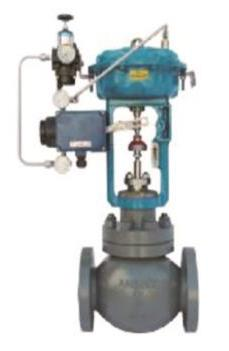
Quick-Change Single-Seat Control Valve / Quick-Change High-Pressure Single-Seat Control Valve
Beijing Consen Automation Technology Co., Ltd.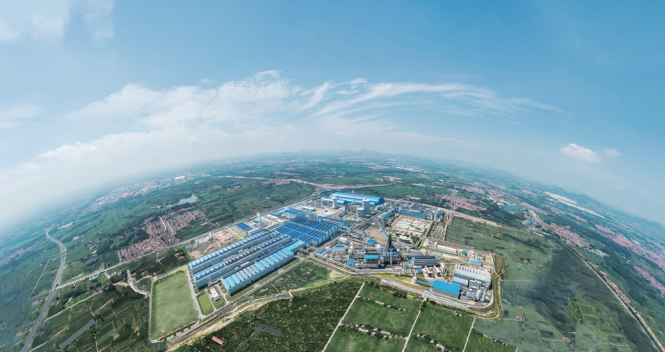
Linyi Steel Investment Special Steel 2.7 Million Tons per Year High-quality Special Steel Project
Capital Engineering & Research Incorporation Limited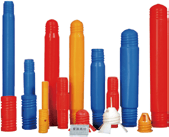

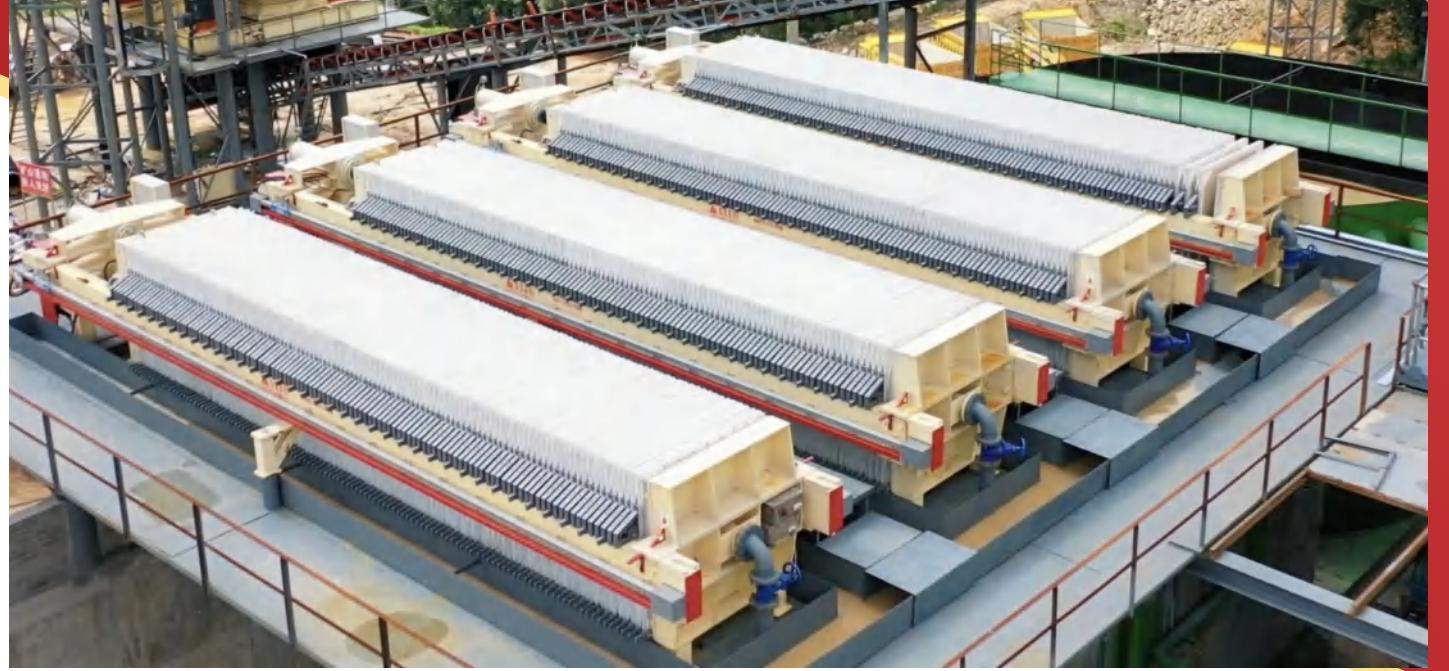
Hydraulic Plate and Frame Filter Press
Guangdong Leimeng Intelligent Equipment Group Co., Ltd.