Delta Air Lines to Install 737 Finlets in 2026, Saving Over $25 Million Annually
en.Wedoany.com Reported - Delta Air Lines has ordered a new type of aft fuselage finlet for its Boeing 737 fleet, designed to improve aircraft aerodynamics and reduce fuel consumption. This decision is based on in-service validation conducted on 22 aircraft, which showed a fuel consumption reduction of approximately 1.2%.
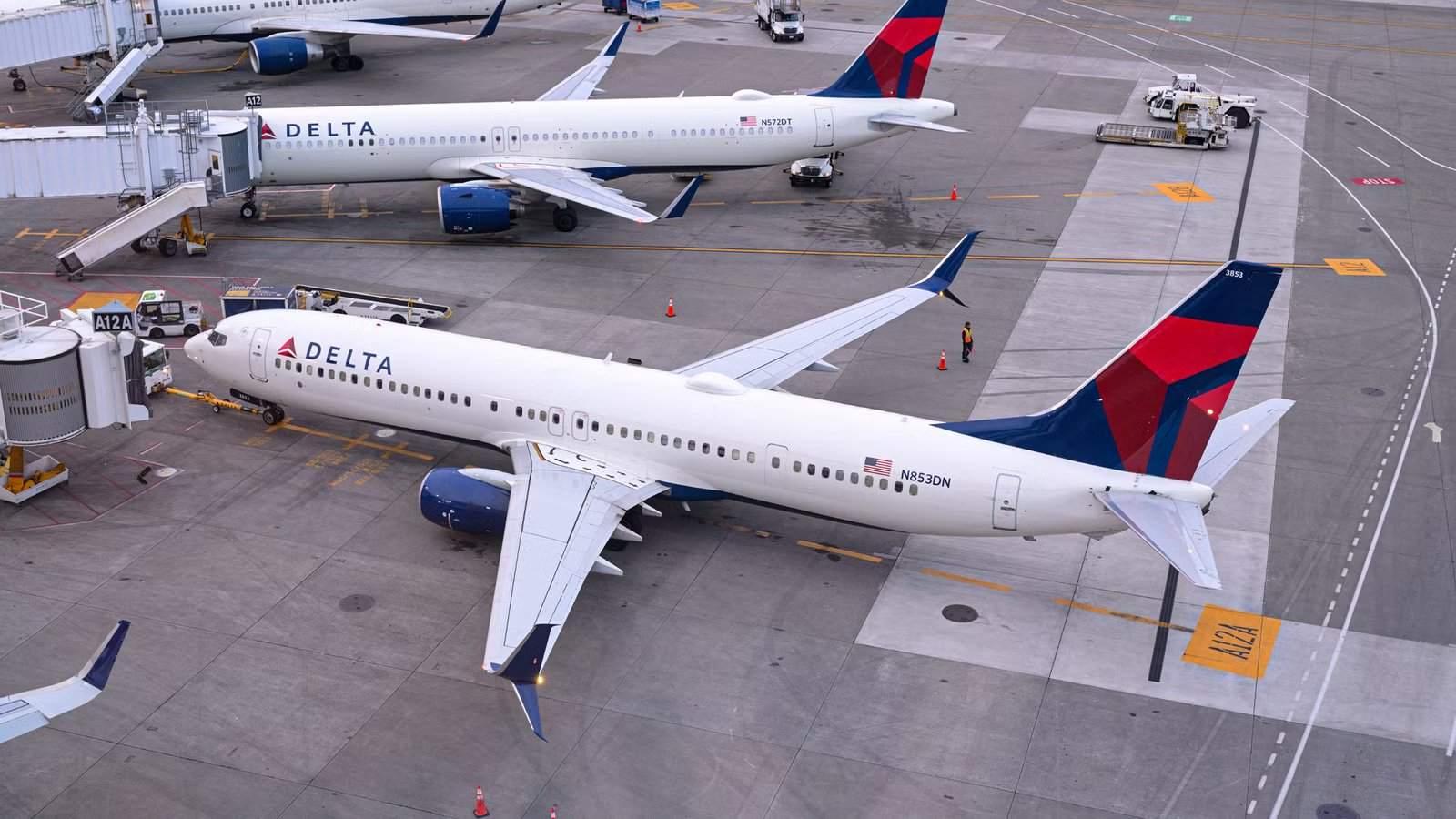
Fuel costs are one of the largest expenses for airline operations, and even minor efficiency gains can yield significant savings over an aircraft's lifecycle. Delta had previously applied split scimitar winglets to its Boeing 737 fleet, a project completed in 2025. Additionally, the airline is testing other energy-saving technologies, including MicroTau's riblet film on its Boeing 767 fleet and collaborating with Airbus on fello'fly formation flight technology.

These devices, called finlets, developed by Vortex Control Technologies, are installed on the aft fuselage and consist of four blade-like structures. Due to an existing vortex generator from the APU inlet on the right side of the 737 aft fuselage, the finlets have an asymmetric layout: three on the left and one on the right. Their function is to reshape airflow, reduce flow separation, and improve aft fuselage pressure recovery, thereby reducing drag. Delta and VCT validated a fuel consumption reduction of 1.2%, while VCT claims it can reach up to 1.4%. Each finlet is 25 inches (63.5 cm) long, 2.5 inches (6.35 cm) high, weighs 1.8 pounds (0.82 kg), and is attached to the skin of the aircraft's non-pressurized section using eight standard fasteners. The team previously developed similar drag-reducing micro-vanes for the Lockheed C-130 Hercules and Boeing C-17 Globemaster III.
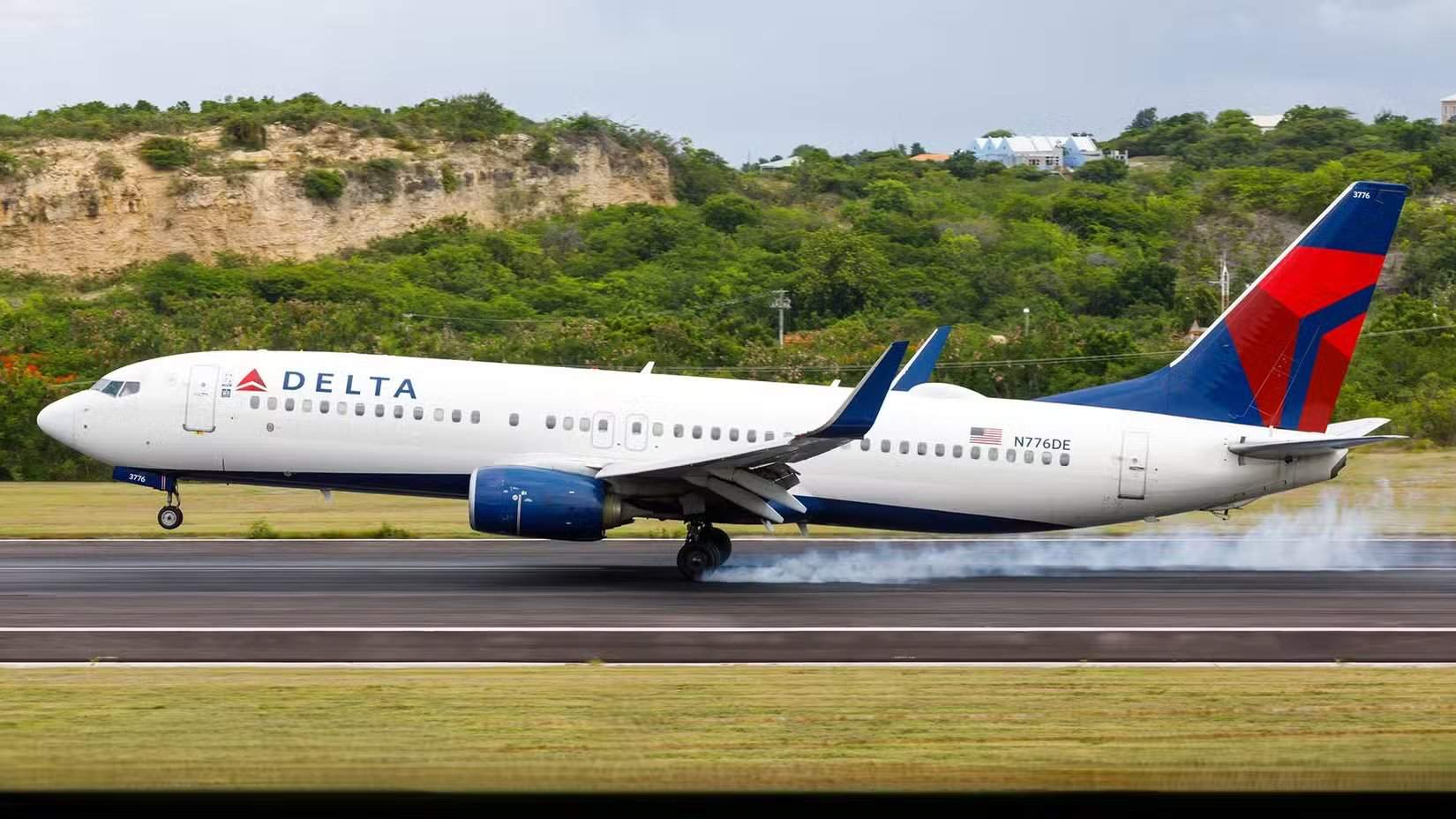
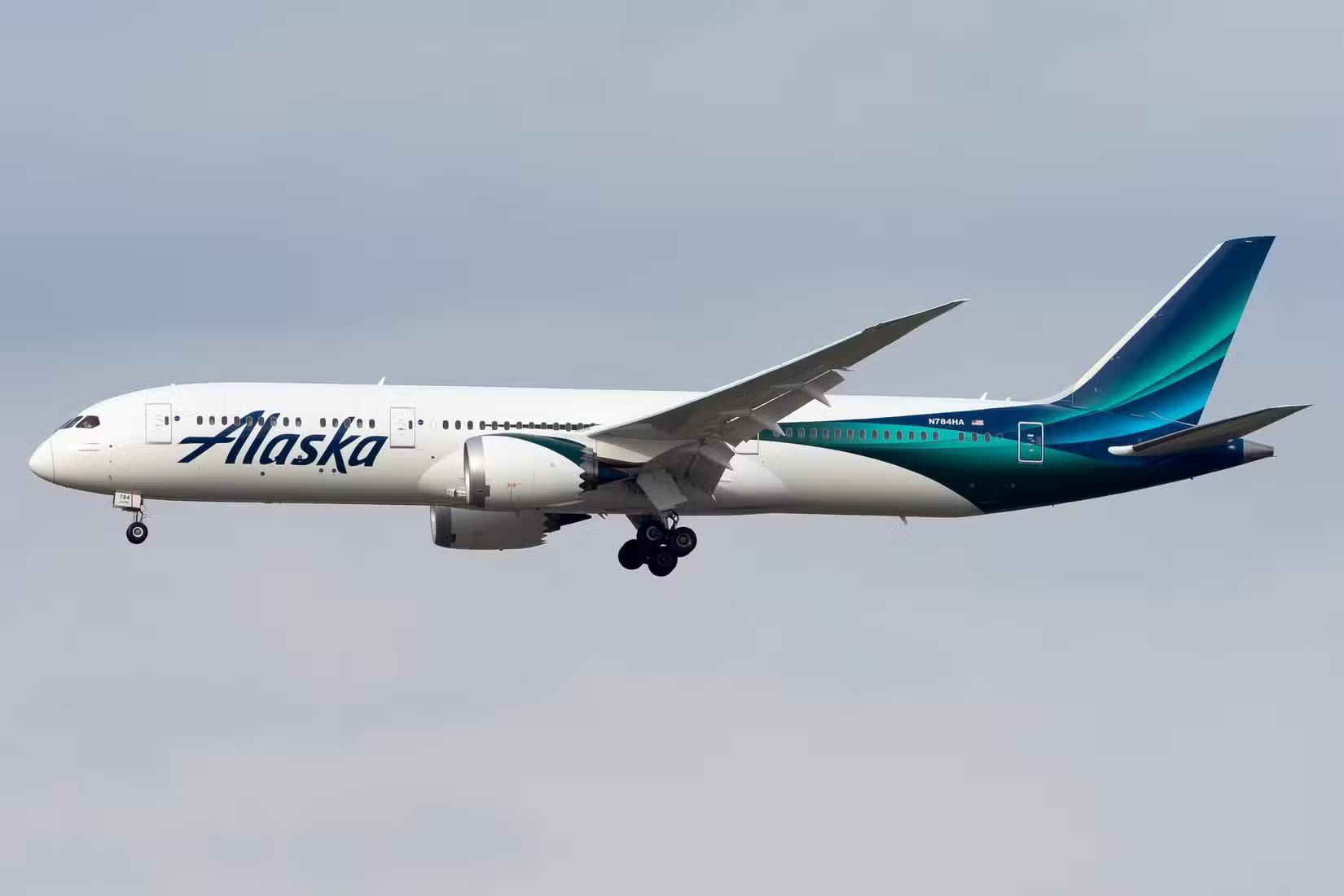
On June 17, 2026, Delta Air Lines announced it would install VCT finlets on its entire fleet of 240 Boeing 737 aircraft, including 77 737-800s and 163 737-900ERs. The retrofit is planned to be completed within 18 months, about half the time it took to install the split scimitar winglets. The installation process can be carried out during maintenance visits or overnight layovers at low cost. These finlets were first certified on the 737-700 in 2018, with certification extended to the 737-800 and 737-900ER in 2023. Delta is the sixth customer for VCT finlets, following Avelo Airlines, Copa Airlines, Norwegian, Southwest Airlines, and SunExpress.
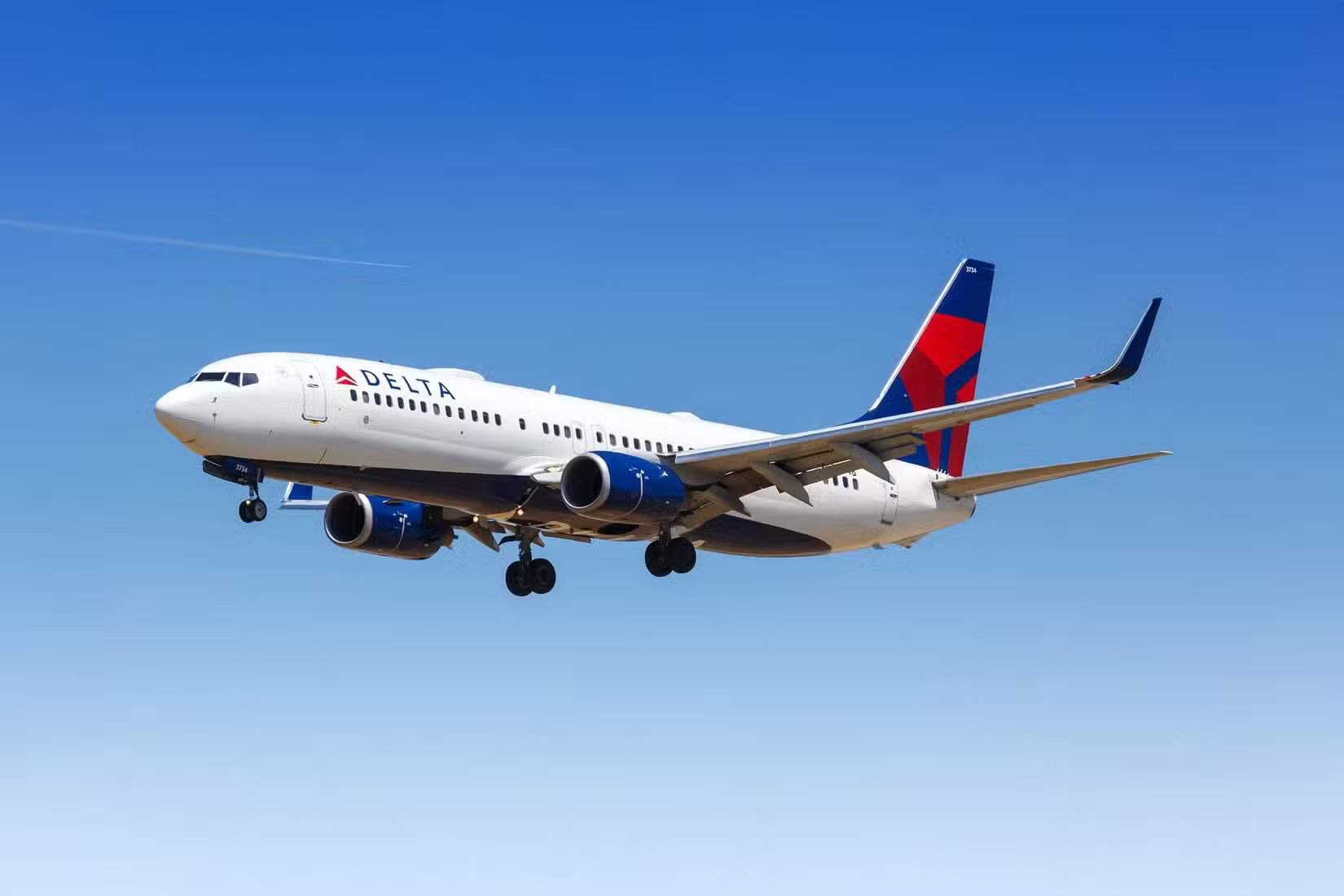
Delta currently does not operate the 737 MAX but has ordered 100 737 MAX 10s. Within its 737 fleet, the 737-900ERs are newer, comprising 130 new aircraft delivered between 2013 and 2019 and 33 used aircraft acquired from 2022 to 2023; the 737-800 fleet is older, with most aircraft aged between 24 and 28 years, but Delta plans to continue using these aircraft for six to ten more years through refurbishment and winglet installation.
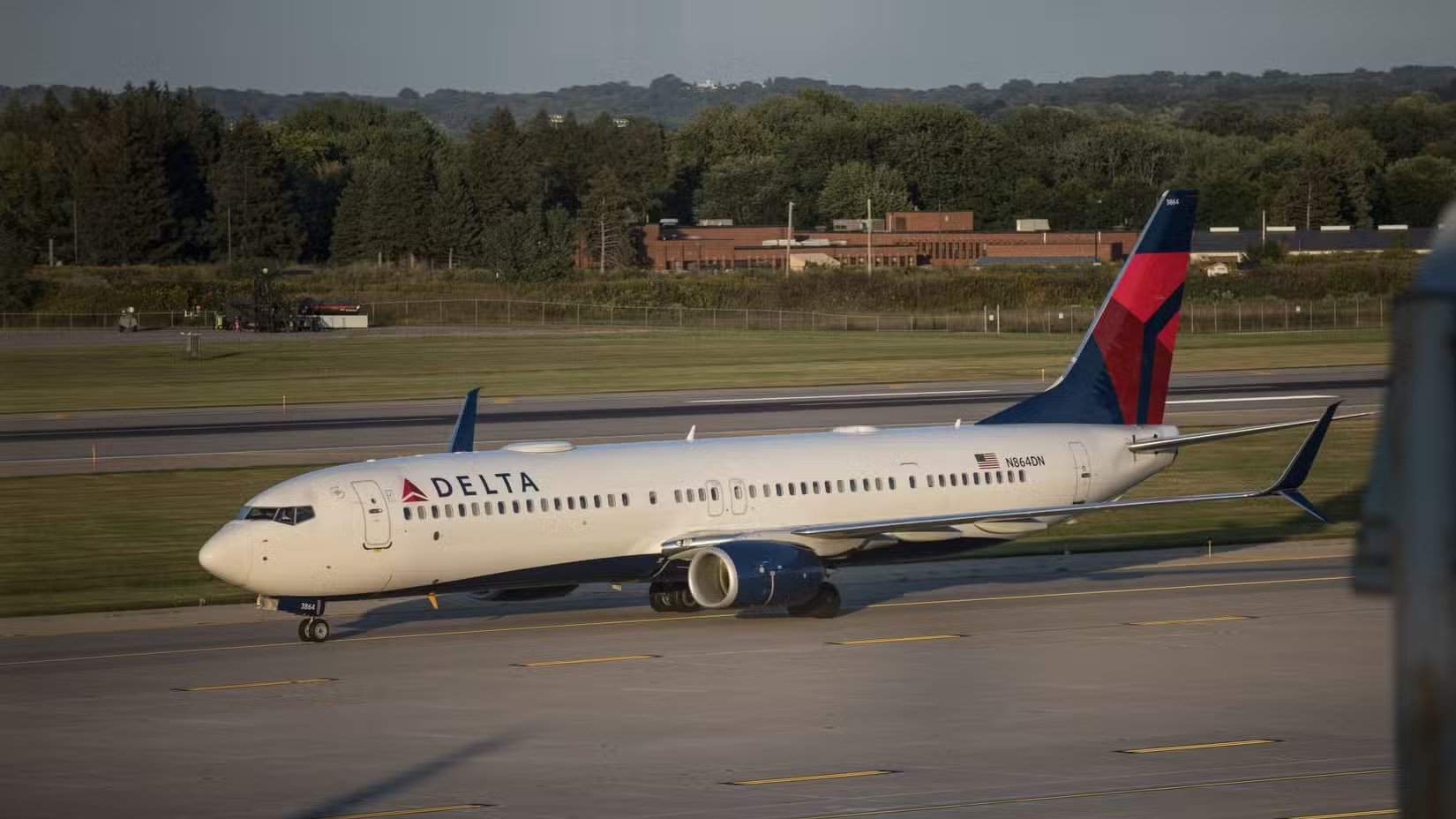
The economic benefits of installing finlets are significant. VCT claims each aircraft can save approximately $125,000 in fuel costs annually; based on Delta's reported 1.2% reduction, each aircraft saves nearly $107,000 per year. After completing the retrofit on all 240 aircraft, annual savings would exceed $25 million. Delta's annual fuel consumption is close to $10 billion. Combined with the previously installed split scimitar winglets (which reduce fuel consumption by 1.6% to 2.2%), Delta's 737s achieve a total fuel consumption reduction of over 3% compared to aircraft without any upgrades.
In addition to finlets, Delta is advancing several energy-saving projects: testing MicroTau's riblet film on its Boeing 767 fleet, which mimics shark skin structure to reduce drag through microscopic grooves, believed to lower fuel consumption by up to 4%; collaborating with Airbus on fello'fly formation flight technology, inspired by the V-formation of geese, allowing trailing aircraft to utilize the wake of leading aircraft, significantly reducing thrust requirements and potentially cutting fuel consumption by 5% to 10%. Meanwhile, the airline is also increasing its use of Sustainable Aviation Fuel and plans to further reduce carbon emissions by taking delivery of new aircraft (such as the Airbus A321neo, A330neo, A350, and future 737 MAX and 787) and retiring older models (such as the Airbus A320-200, Boeing 757-200, and 767-300ER).
Related Products

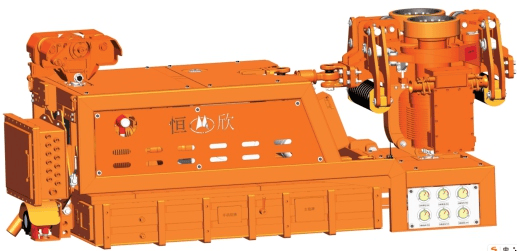
Explosion-proof lithium battery dispatching monorail crane locomotive (permanent magnet frequency conversion integrated machine)
Xiangtan Hengxin Industrial Co., Ltd.
3m intelligent buoy combining navigation safety and real-time marine monitoring integrated navigation and marine monitoring system for real-time maritime data
Chengdu Dixin Technology Co., Ltd.



Industrial and Commercial Point-Type Gas Detector
Jinan Benan Technology Development Co., Ltd.