US Freefly Systems Uses SLS Printing to Build Video Drones
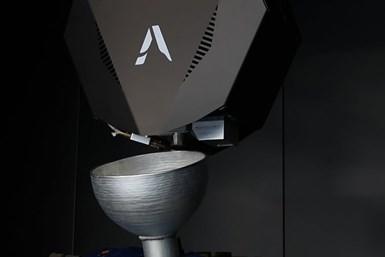
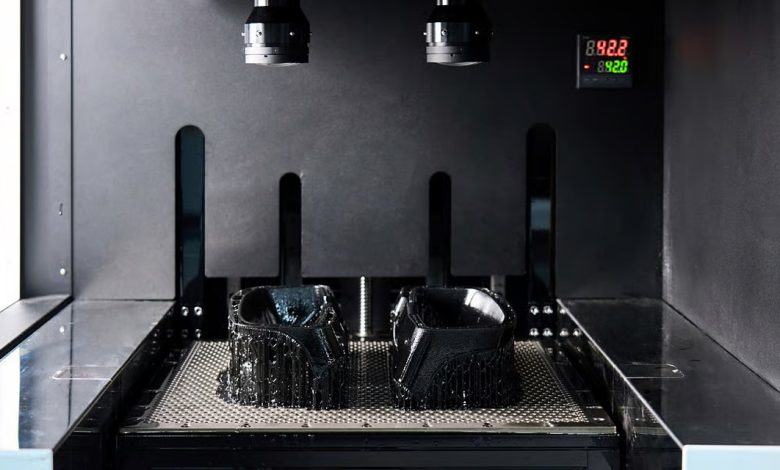
en.Wedoany.com Reported - US-based Freefly Systems has deeply integrated 3D printing technology into the research, development, and production of its video drones, utilizing Formlabs' SLS ecosystem for prototyping, tooling, and end-use part manufacturing.
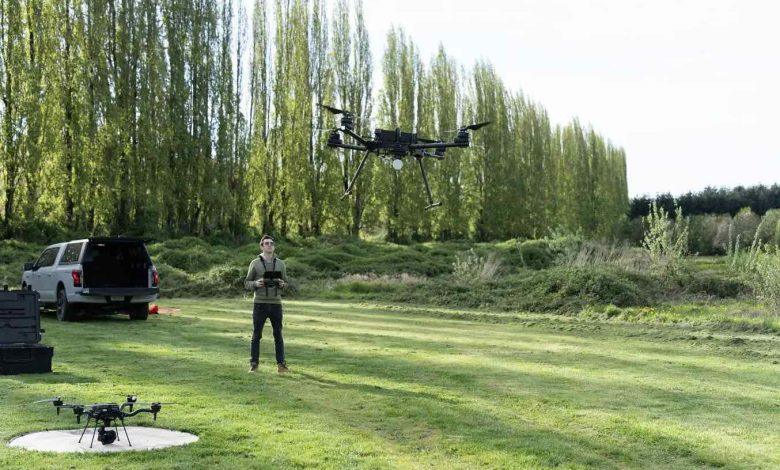
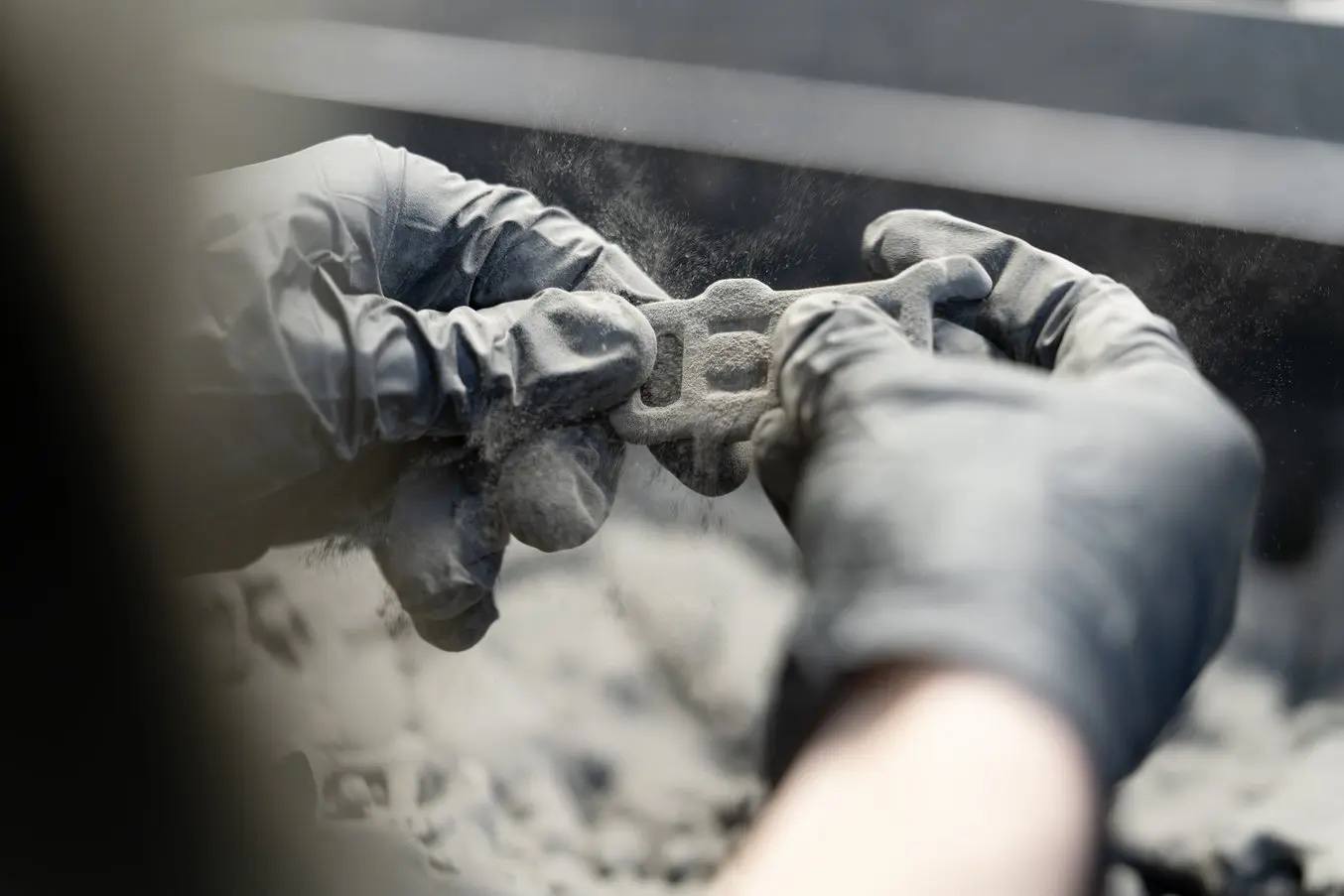
Headquartered in Washington state, Freefly Systems specializes in camera motion systems, producing drones capable of carrying cameras worth hundreds of thousands of dollars for filming movies, television, and commercial footage. The company's credits include Andor (2022), Dune (2021), and Mad Max: Fury Road (2015). 3D printing has become a tool for product development and production, with the company initially using traditional SLS systems and, in recent years, relying on Formlabs' Fuse 1 and Fuse 1+ 30W 3D printers, along with the Fuse Blast post-processing equipment.
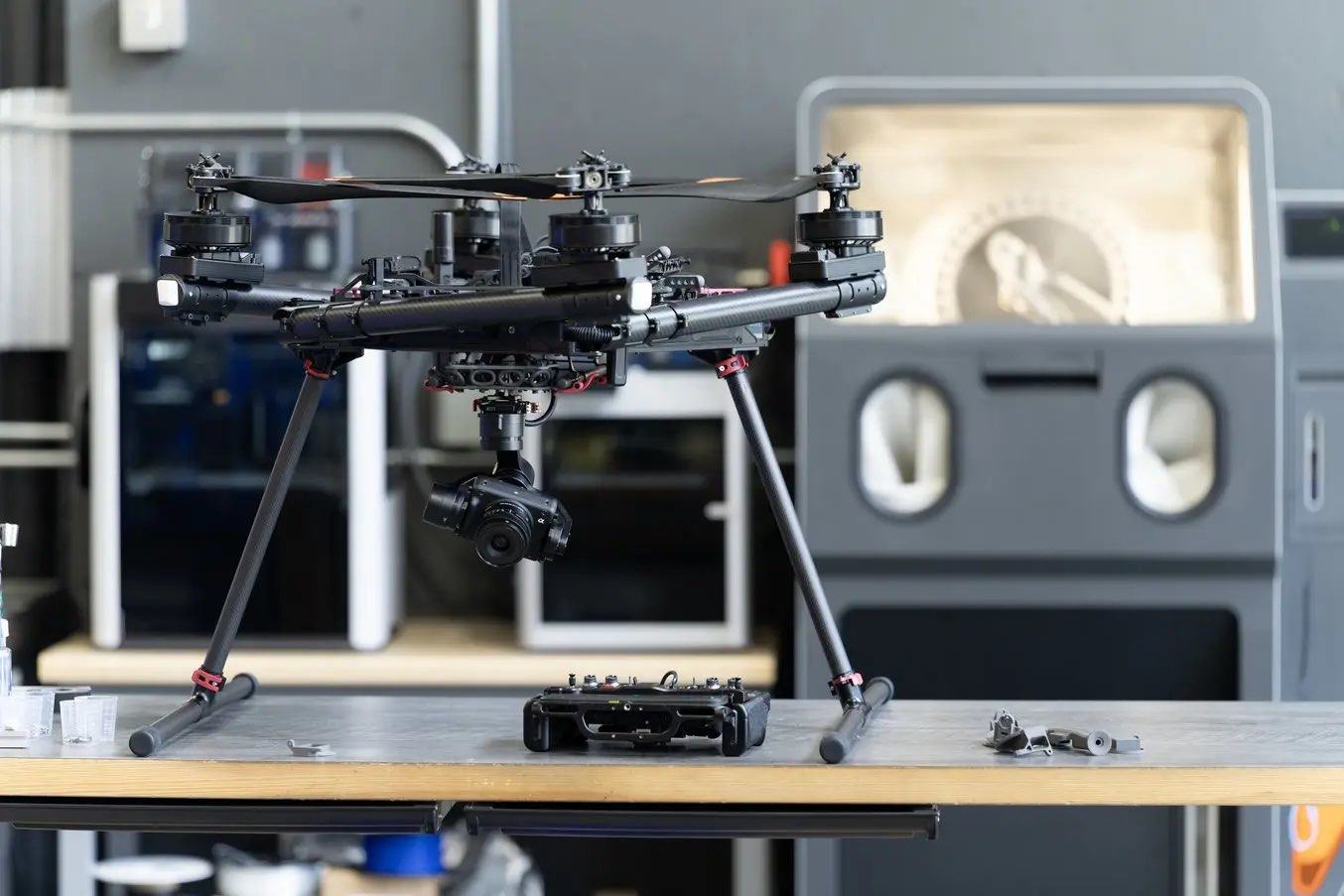
At its Washington facility, prototyping is one of the key applications of this technology. Nate Kuczun, Payload and Systems Engineer at Freefly Systems, stated that 3D printing enables rapid design of complex-shaped parts, helping to accelerate the R&D process. He cited an example where the team developed an antenna mast for the Alta X Gen2's dual GPS system, which underwent multiple iterations before achieving the ideal design. Additionally, the company successfully prototyped an FPV camera mount using Formlabs technology, after previous FDM prototypes of the same part kept breaking.
Kuczun explained that the iteration cycle in the drone field is much faster than in most aerospace projects, and the Fuse devices provide a way to quickly install hardware for different tests. Beyond prototyping, 3D printing is also used for tooling and end-use parts. The company 3D printed a production assembly fixture for calibrating the OLED screen of the Pilot Pro drone remote controller, and also manufactured a functional component for the Herelink radio module. By printing functional parts in-house, the company saves time and streamlines the supply chain.
Nylon 12 is Freefly's preferred material due to its good strength-to-weight ratio, durability, and environmental stability, making it suitable for both functional prototyping and end-use production. Kuczun noted that the material is strong enough for testing part form and fit, and the company has flown with Fuse-printed parts onboard.
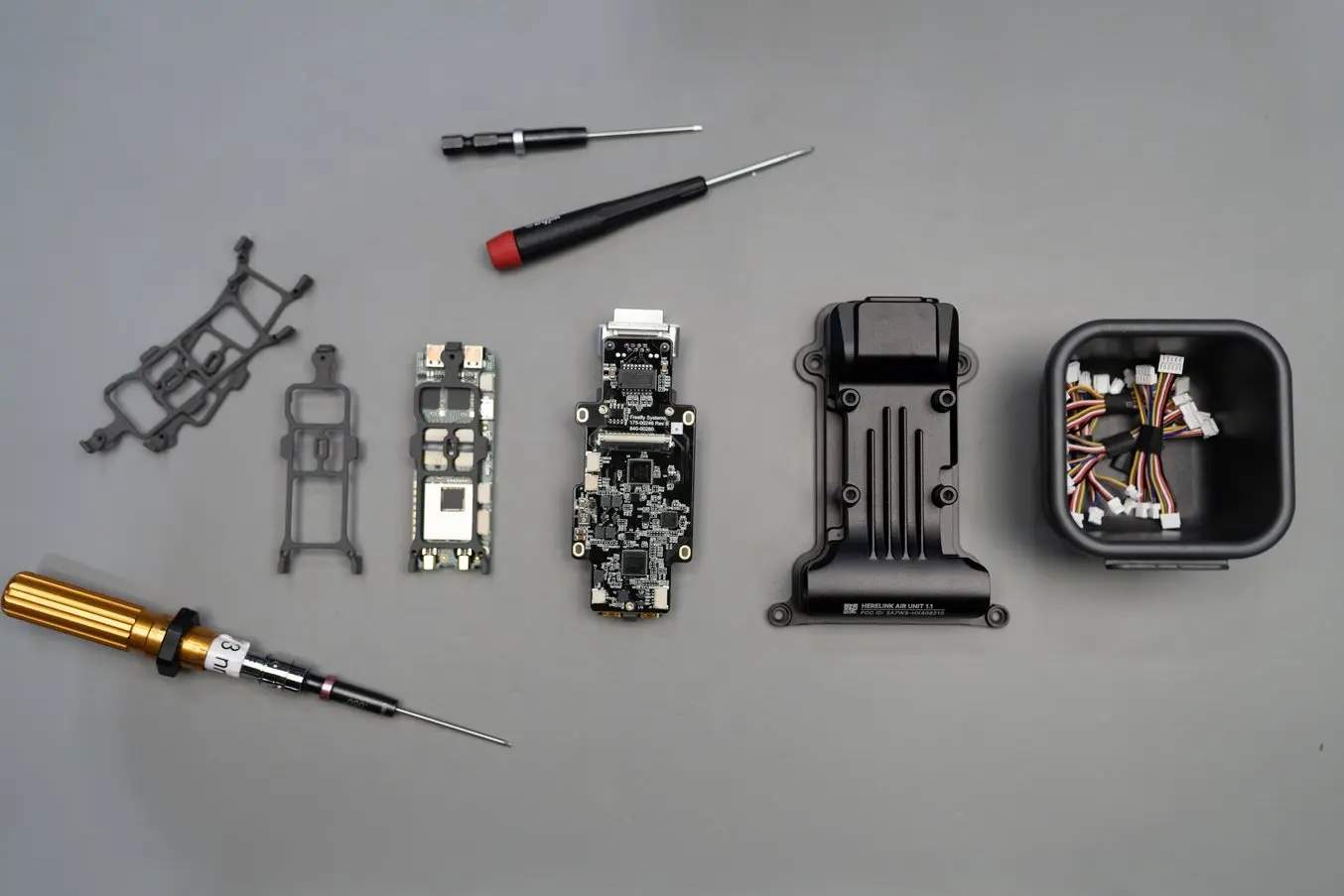
Freefly Systems' drone applications are extensive, ranging from capturing blockbuster footage to being equipped with cameras and LiDAR for infrastructure inspection, surveying, and scientific research.
Related Products

Standard Nozzle Flowmeter
Jinggong Automatic Control Instrument Complete Technology Development Company
Strip Coating and Plating Production Line Equipment
MCC-SFRE HEAVY INDUSTRY EQUIPMENT CO., LTD.
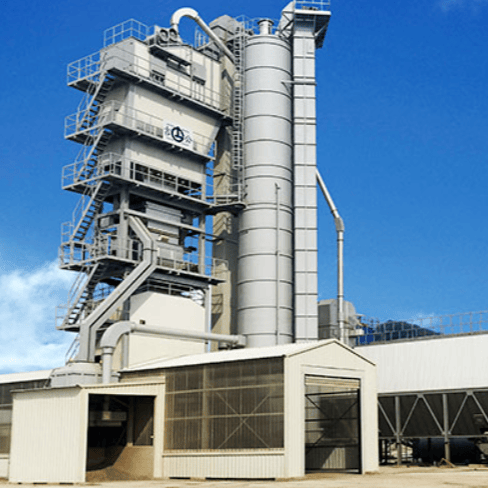
LBH4000 Batch Environmental Protection Asphalt Mixing Plant | Asphalt Batching Plant | Asphalt Mixing Plant
Jilin Province Road Construction Machinery Co., Ltd.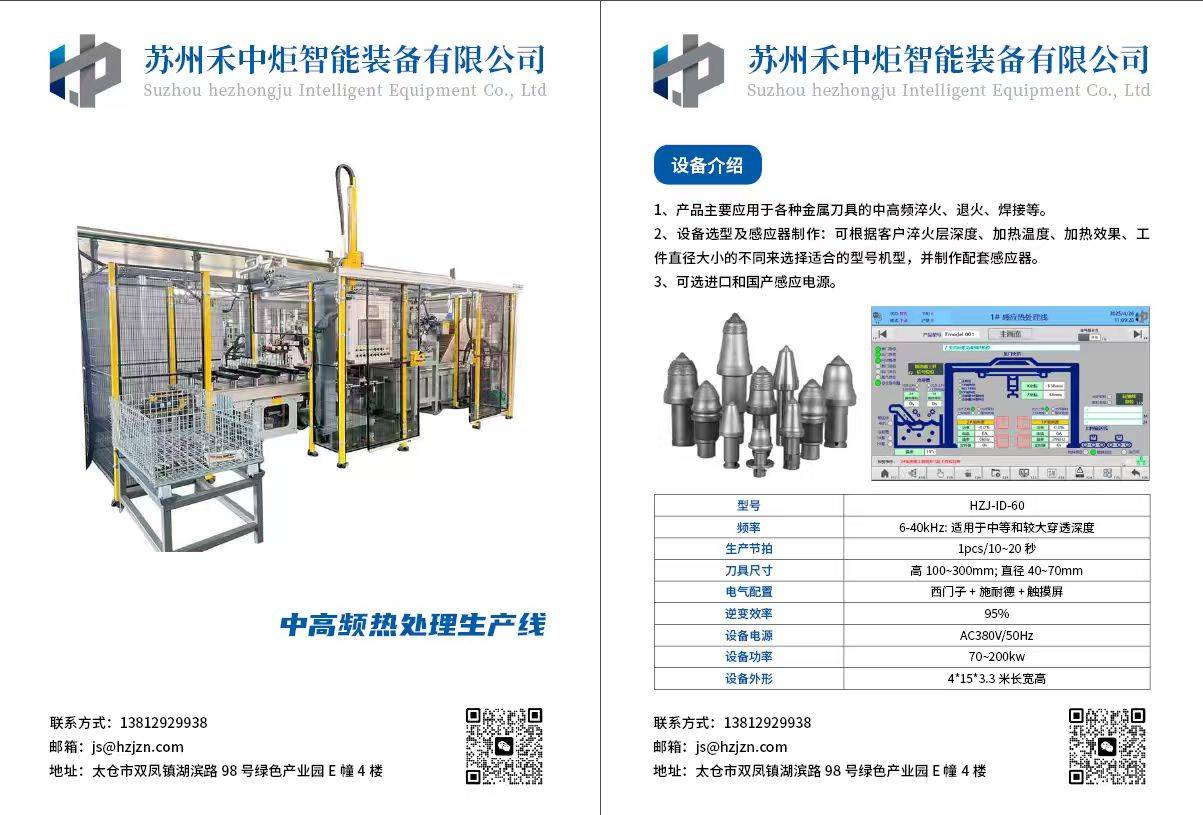
Excavator Bucket Teeth Heat Treatment Production Line
Suzhou Hezhongju Intelligent Equipment Co., Ltd.
CAP1400 main feedwater flow nozzle flowmeter.
Jiangsu Hongda Instrument Technology Co., LTD.
Industrial and Commercial Point-Type Gas Detector
Jinan Benan Technology Development Co., Ltd.