Brazil's Grupo Potencial Purchases 31 Volvo Biodiesel Trucks
en.Wedoany.com Reported - Grupo Potencial has purchased 31 Volvo FH B100 Flex trucks, which will run on pure biodiesel (B100). Some vehicles are equipped with dump bodies for transporting soybeans and soybean meal, while others use tanker trailers for fuel distribution. The trucks are planned to operate in the South, Southeast, and Midwest regions, key logistics corridors for the company.
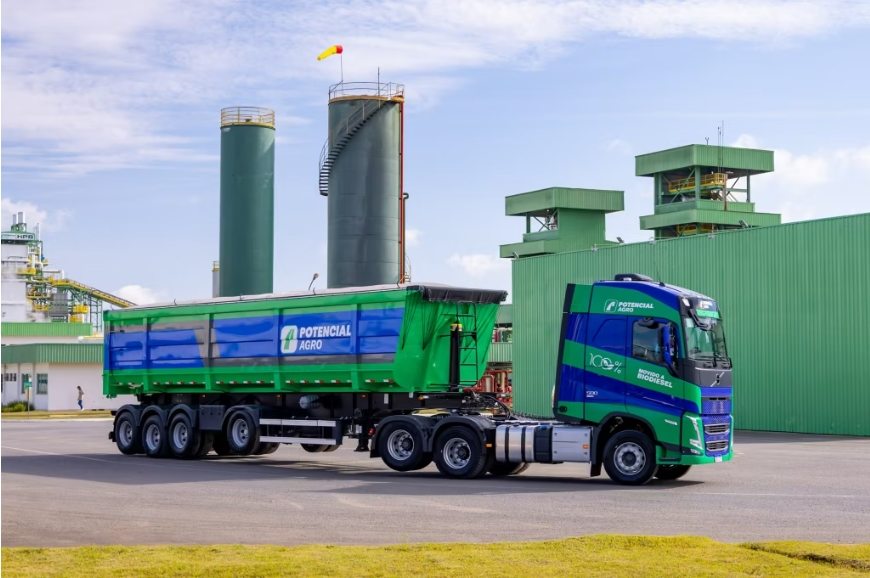
Alcides Cavalcanti, Executive Director of Volvo Caminhões, stated that the purchase of these trucks demonstrates a positive market response to low-emission products, which are designed to advance decarbonization in multiple aspects. The supply of B100 Flex trucks is part of Volvo's goal to reduce fossil-derived carbon dioxide emissions from vehicles. The sale was completed by Nórdica Veículos, a Volvo dealer in parts of Paraná state.
According to Grupo Potencial's estimates, the 31 trucks combined can avoid over 3,000 tons of carbon dioxide emissions annually. Group Vice President Carlos Eduardo Hammerschmidt revealed that the vehicles were purchased with the group's own funds, aligning with its investment direction in technology and sustainable growth. As a biodiesel producer, the group believes decarbonization requires integration among agribusiness, biofuel industry, automotive sector, and logistics. He stated: "This partnership with Volvo turns our vision into reality, proving that existing solutions can reduce emissions without sacrificing safety, efficiency, or operational competitiveness."
Grupo Potencial's history began in 1954 when Eduardo Pedro Hammerschmidt opened the first gas station in Lapa, Paraná. Today, the group has become one of the main players in Brazilian agriculture and energy, with operations spanning soybean crushing, biodiesel production, corn ethanol, refined glycerin, biogas, and logistics. Its subsidiaries include Potencial Combustíveis, Potencial Agro, BWI Trading, BWT Transporte, BWSP Serviços Portuários, BTAR, and Jeta Combustível. By 2030, the complex aims for a production capacity of 1.7 billion liters of biodiesel, 500 million liters of degummed oil, 1 billion liters of ethanol, and 9 million cubic meters of biogas, with a planned total processing capacity of 4.7 million tons of soybeans and corn per year. During the same period, the company's investments will exceed 6 billion reais, with the goal of becoming the world's largest single-plant biodiesel producer. Plans include expanding soybean crushing, increasing corn ethanol, biogas, and degummed oil production, as well as advancing new logistics and environmental projects. Recently completed projects include a new soybean crushing plant and a second refined glycerin factory.
Related Products

Jiujiang Pinggang 125MW Subcritical Gas Power Generation Project
Capital Engineering & Research Incorporation Limited
714CD Series C-Band Weather Radar
Chengdu Zhongdian Jinjiang Information Industry Co., Ltd.
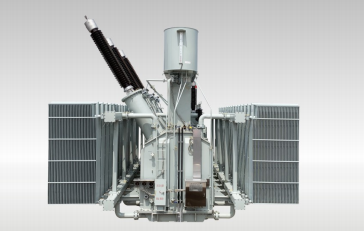
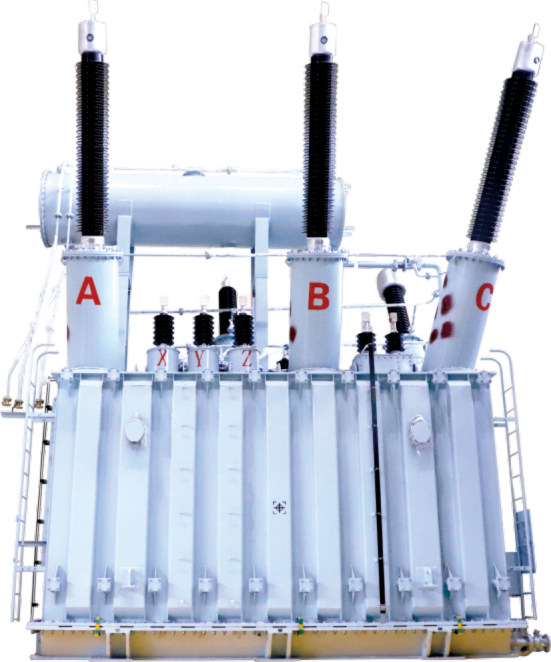
220kV and Below Voltage Level Energy-saving Oil-immersed Power Transformers
FuZhou TianYu Electric Co., Ltd.