Lonza Joins Medicines Manufacturing Research Centre CMAC
Wedoany.com Report-Apr. 20, Lonza, a global leader in pharmaceutical manufacturing, has joined the Centre for Continuous Manufacturing and Advanced Crystallisation (CMAC), a premier research hub based at the University of Strathclyde in Scotland. CMAC collaborates with academic and industrial partners to advance pharmaceutical manufacturing through continuous processing, digitalization, and innovative crystallization techniques. Lonza’s membership, announced recently, aims to enhance its particle technology and drug product development services.
Lonza has recently announced that it has joined CMAC.
By joining CMAC, Lonza gains access to a network focused on Chemistry, Manufacturing, and Control (CMC) technologies, enabling the development of efficient manufacturing processes and high-quality pharmaceutical products. This partnership will support Lonza in applying research outcomes to improve CMC processes for its clients, strengthening its capabilities in active pharmaceutical ingredient (API) and drug product technologies.
Massimo Bresciani, CMAC Industry Director, stated: “Welcoming Lonza into CMAC marks a significant milestone in our mission to transform medicines manufacturing. Its global leadership, technical depth, and strategic vision will be instrumental in shaping and accelerating the adoption of highly automated manufacturing platforms and advanced CMC solutions. This collaboration reinforces our commitment to building a connected ecosystem where academic innovation and industrialists converge to translate cutting-edge research into impactful, scalable solutions for the pharmaceutical and biotech sectors.”
Francois Ricard, Head of R&D, Advanced Synthesis at Lonza, added: “Our participation in CMAC will allow us to work with world-leading industry and academia experts and apply best practice in the fields of API development, continuous processing, drug product development, and overall digital CMC strategy. Our global team will drive the implementation of these processes and technologies across scales in a CDMO setup for the benefit of our customers and partners.”
In a separate development, a University of Bristol-led study examined the impact of healthcare reallocation during the COVID-19 pandemic on children with congenital heart disease (CHD) in the UK. The study found that prioritizing urgent and lifesaving surgeries led to a significant reduction in elective procedures. Despite this shift, overall post-operative complication rates and mortality did not increase, indicating successful management of critical cases under constrained conditions.
These initiatives highlight advancements in pharmaceutical manufacturing and pediatric healthcare, addressing industry and societal needs through innovation and resilience.
Related Products


Steel Pipes for Refining and Coal Chemical Industries
YANGZHOU LONTRIN ENERGY EQUIPMENT CO.,LTD.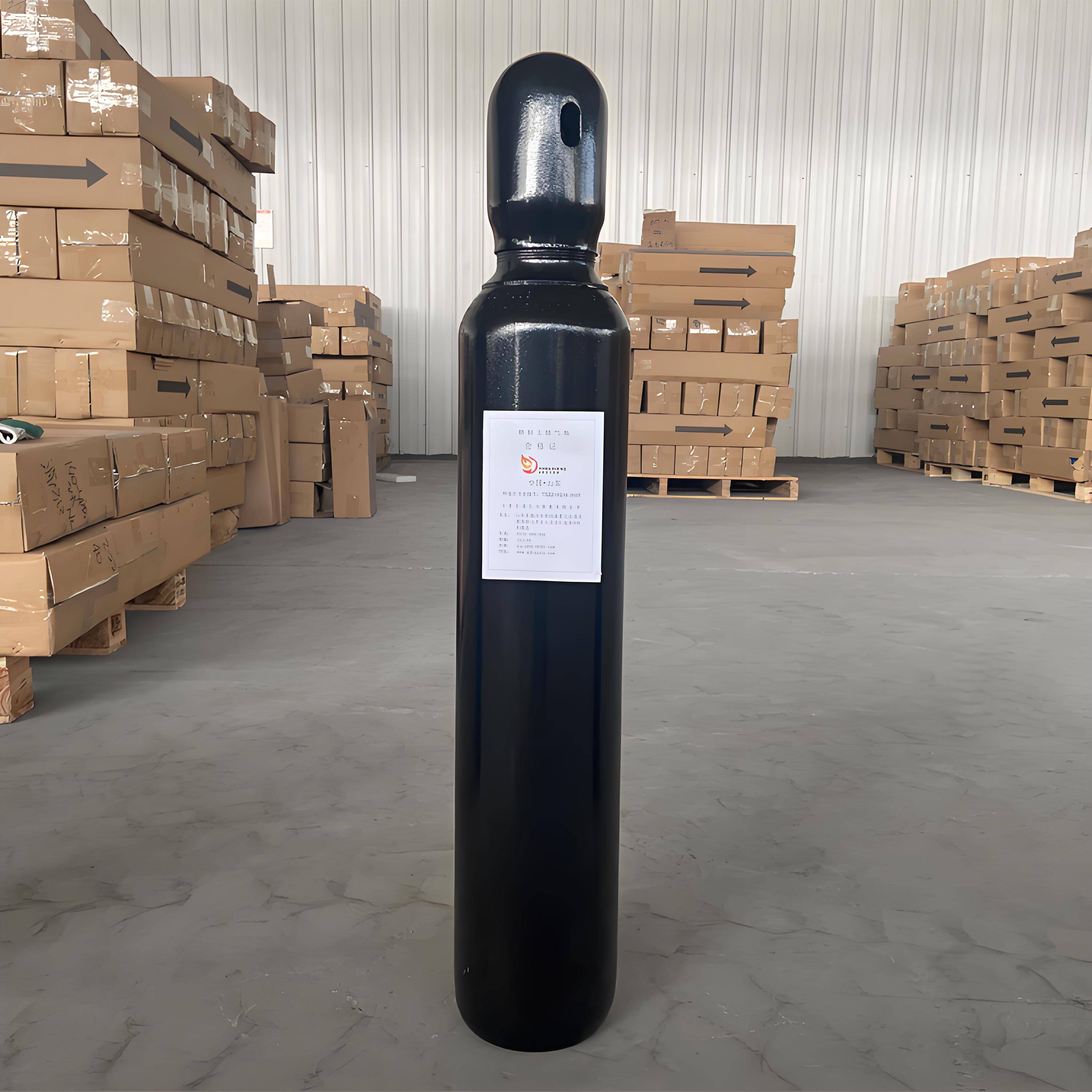
Nitrogen Export, Nitrogen Manufacturer, High-purity Nitrogen Supplier
Foshan Yuexin Industrial Gas Co., Ltd.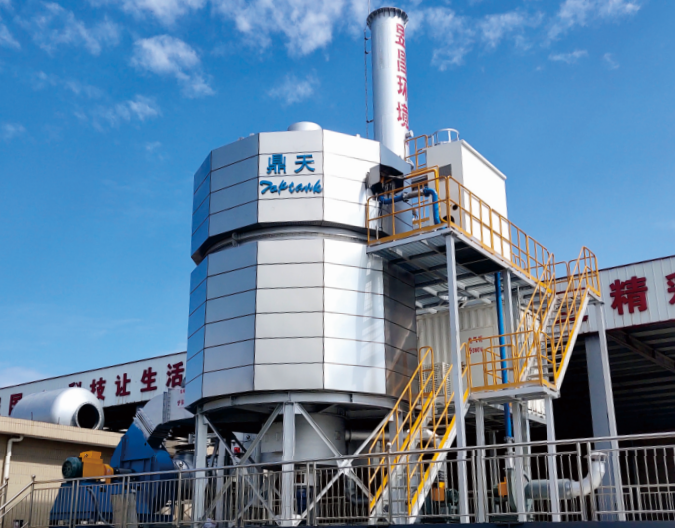
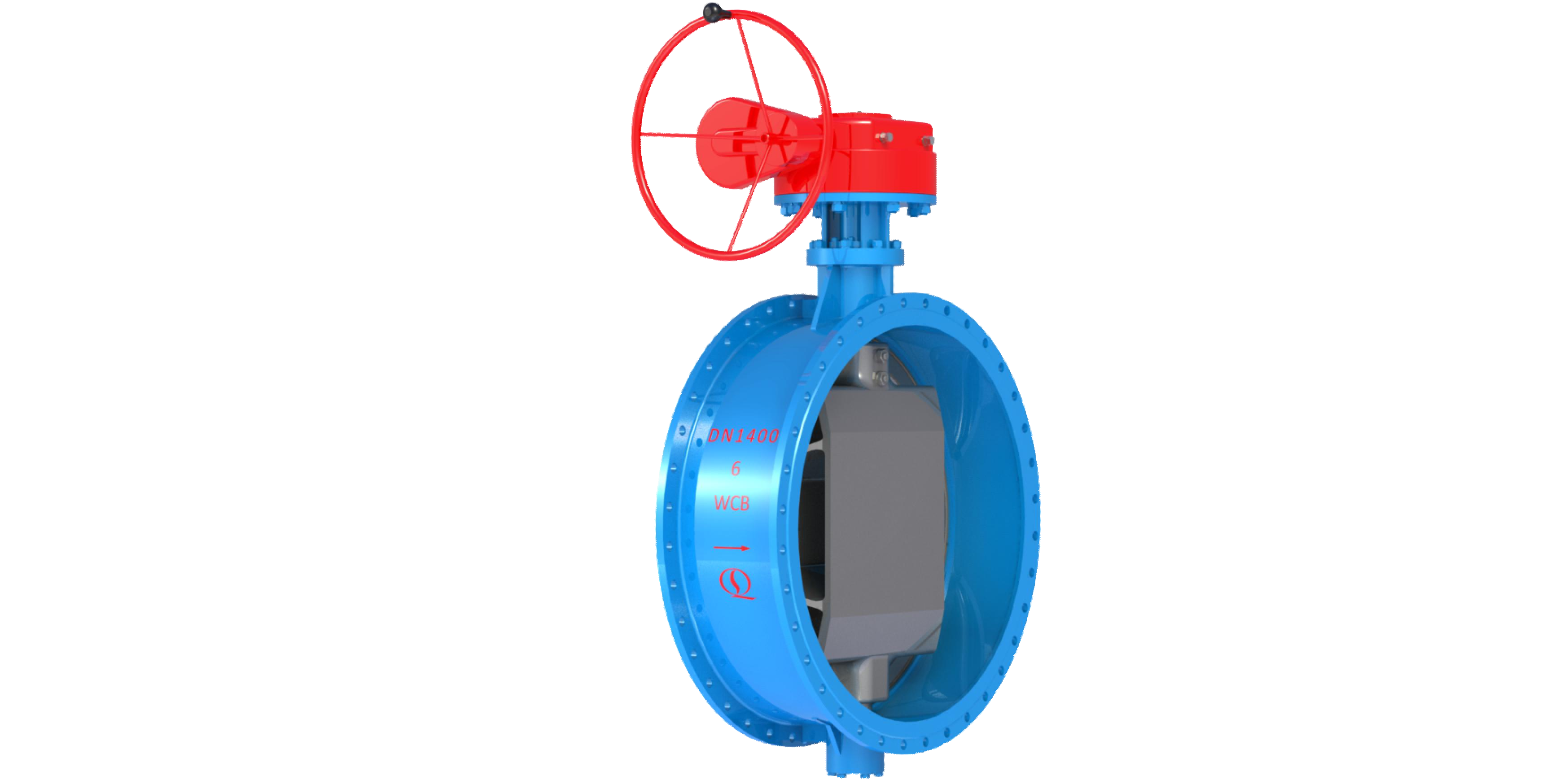
Bidirectional Metal Hard Sealed Seawater Butterfly Valve
Henan Quanshun Flow Control Science & Technology Co., Ltd.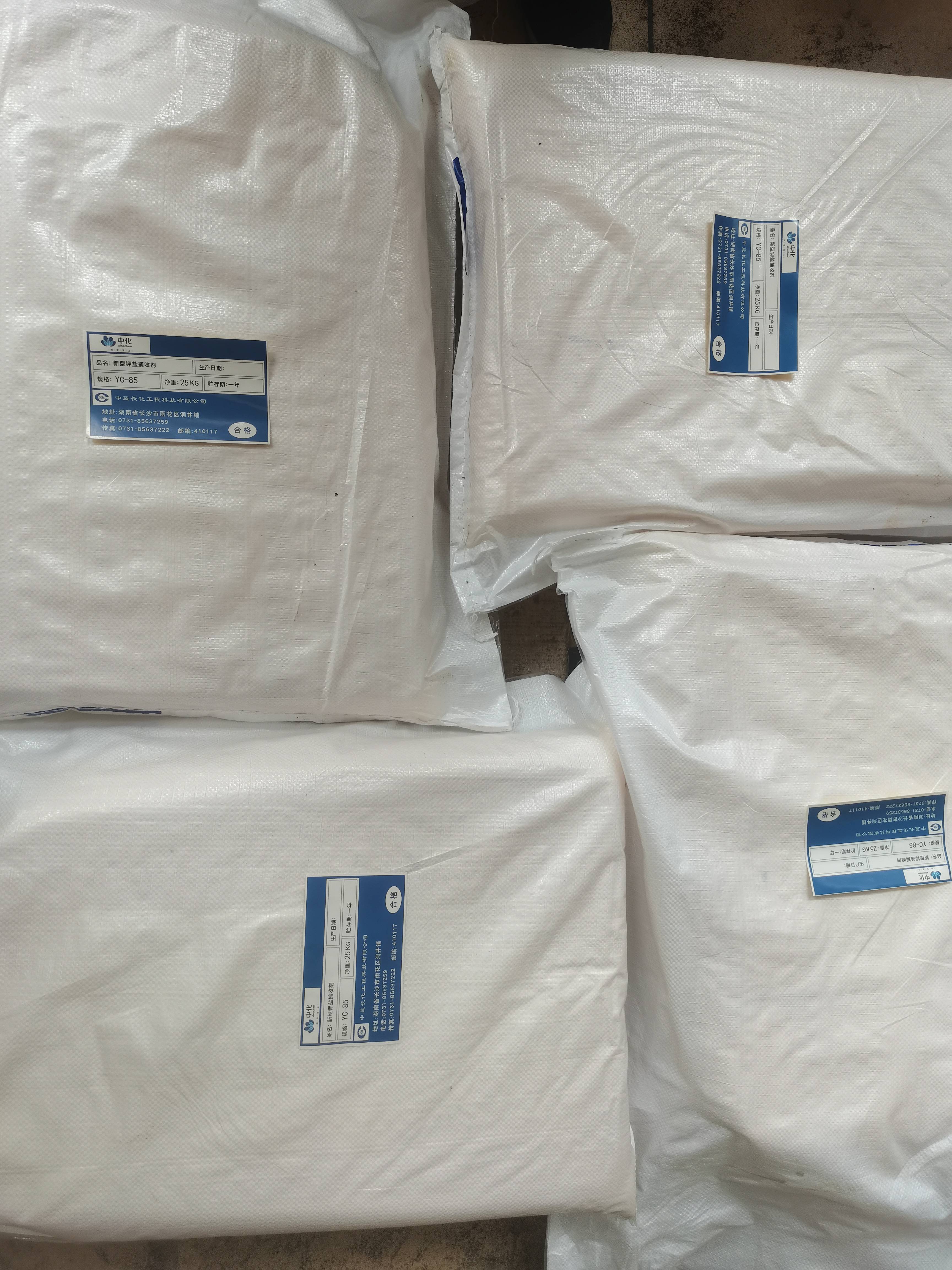
New Environmentally Friendly Green Potassium Salt Collector
Chonfar Engineering and Technology Co., Ltd.
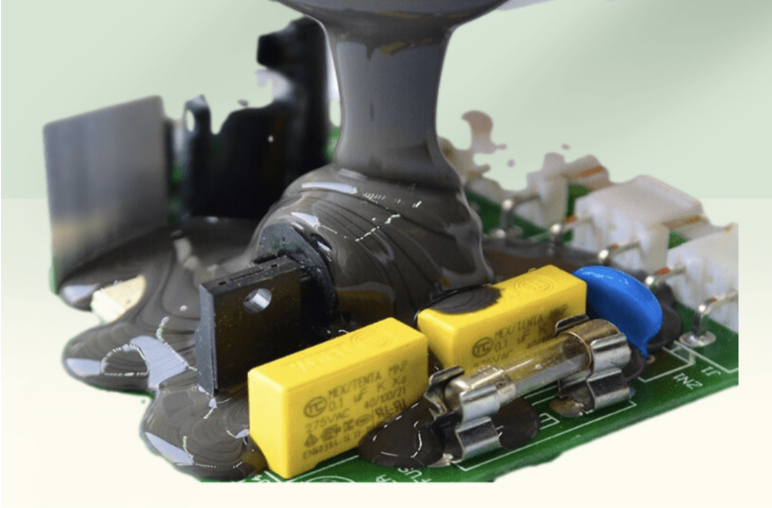
High Thermal Conductivity Encapsulating Resin
Nantong BESALL Sealing Technology Company.,Limited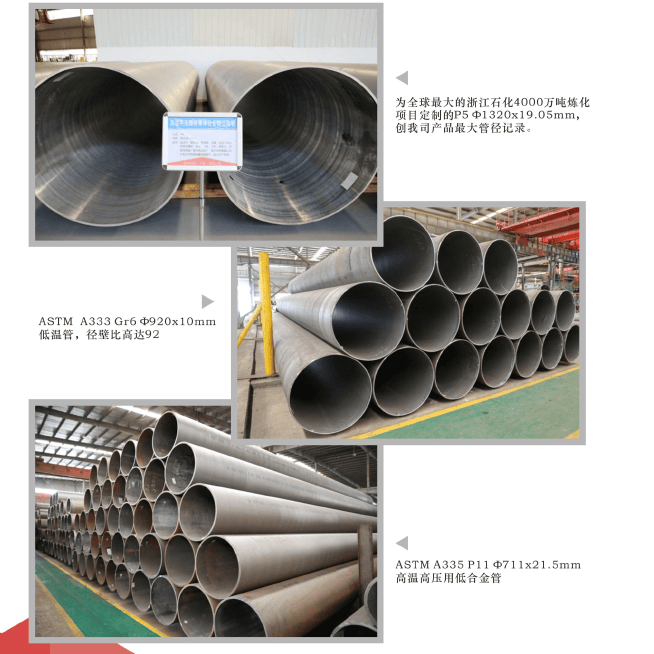
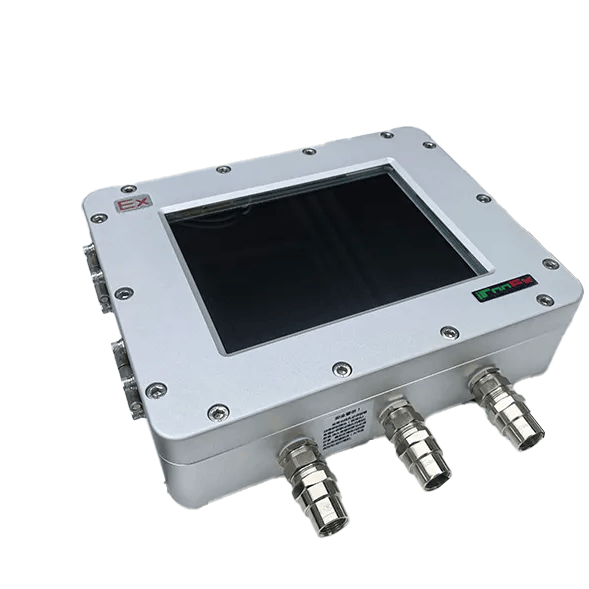

CAP1400 main feedwater flow nozzle flowmeter.
Jiangsu Hongda Instrument Technology Co., LTD.