BETA Launches Two-Month Electric Aircraft Demonstration Project in Hawaii
en.Wedoany.com Reported - BETA Technologies, in partnership with Surf Air Mobility and Hawaiian Airlines, has launched a two-month demonstration flight program in Hawaii to collect data on the operational, economic, and infrastructure requirements for commercial-scale electric aviation. The program uses BETA's Alia Conventional Takeoff and Landing (CTOL) electric aircraft, led by Surf Air Mobility, which operates Mokulele Airlines—the largest commuter airline network in Hawaii by number of airports served—while Hawaiian Airlines provides route and logistics insights, supports feasibility assessments, and facilitates local stakeholder engagement.
The Alia CTOL aircraft is a single-pilot, fully electric fixed-wing design powered by an H500A electric motor driving a five-blade fixed-pitch pusher propeller. The aircraft has a wingspan of 50 feet (15 meters), a maximum range of 387 miles (623 kilometers), a top speed of 176 miles per hour (283 kilometers per hour), and can carry up to five passengers or 200 cubic feet of cargo. It charges in under an hour using BETA's Charge Cube ground infrastructure, is capable of Instrument Flight Rules (IFR) and night operations, and requires no specialized airport infrastructure beyond a power source.
Hawaii's inter-island network provides a technically representative environment for evaluating commercial-scale electric aircraft. The state's short overwater routes, established demand for regional air service, and diverse weather conditions offer a controlled yet operationally realistic test environment for assessing mission suitability. Mokulele Airlines' existing network across the islands provides a direct commercial operational baseline for evaluating electric aircraft performance.
The flight activities aim to generate quantitative data across five operational areas: aircraft performance; direct operating costs; maintenance requirements for electric aircraft in commercial service; battery performance and energy consumption on representative inter-island missions; and crew training, ground operations, safety protocols, and charging infrastructure needs.
Kyle Clark, CEO and founder of BETA Technologies, stated that these early demonstrations will provide Surf Air with firsthand insight into the practicality and economics of the Alia aircraft and inform future high-tempo, sustainable intra-island service. Deanna White, CEO of Surf Air Mobility, noted that the aviation industry has been discussing electric flight for years, and the question is no longer whether electric aircraft can fly, but how they can be successfully integrated into commercial service now. The data generated by this program will help define the operational, economic, and infrastructure requirements needed to advance next-generation regional air transportation.
Surf Air Mobility plans to deploy the Alia CTOL aircraft in its Hawaii cargo and passenger operations following certification by the U.S. Federal Aviation Administration (FAA). The company also intends to establish a Maintenance, Repair, and Overhaul (MRO) facility in Hawaii, which would become the state's factory-authorized BETA service center once certified. Prior to the Hawaii program, Bristow completed a six-month operational trial of the Alia CTOL in Norway, validating aircraft performance, charging infrastructure, and procedures in winter conditions over more than 126 flights. BETA is also one of nine companies participating in the FAA's eVTOL Integration Pilot Program, a three-year nationwide initiative covering 26 states, expected to begin operations this summer.
Related Products
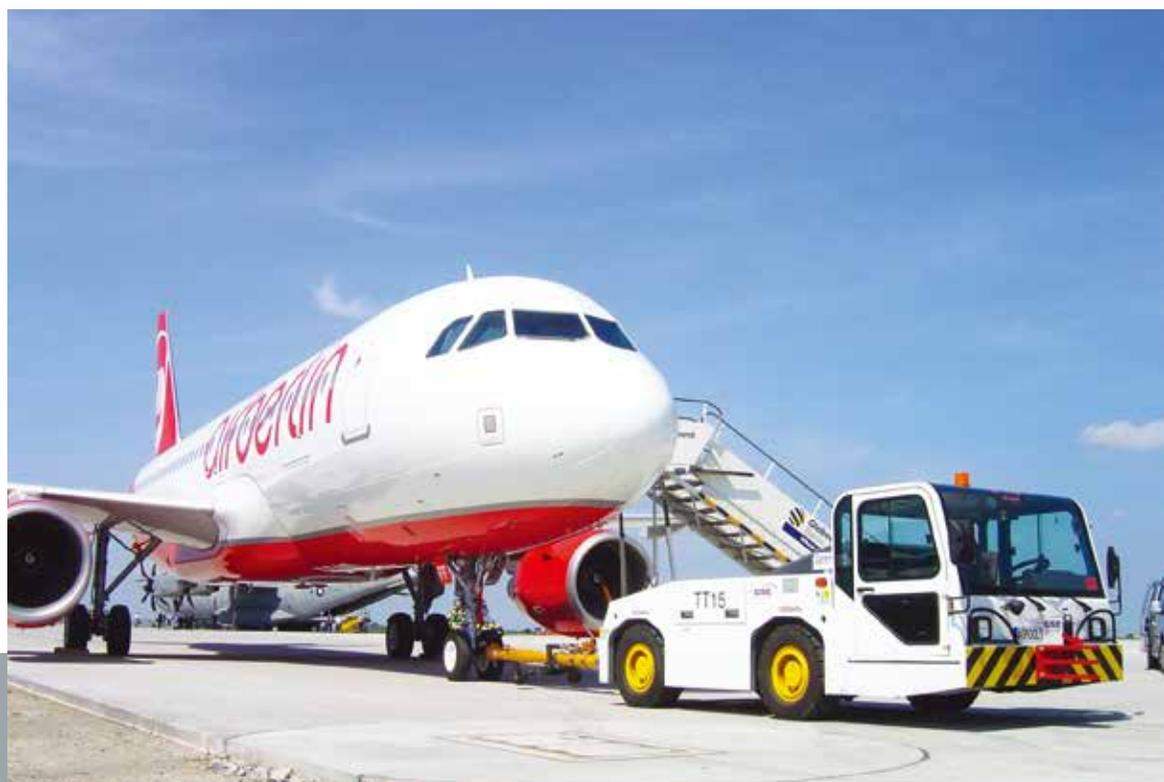

WGQY Series Aircraft Tow Tractor-WGQY15, WGQY27
Weihai Guangtai Airport Equipment Co., Ltd.

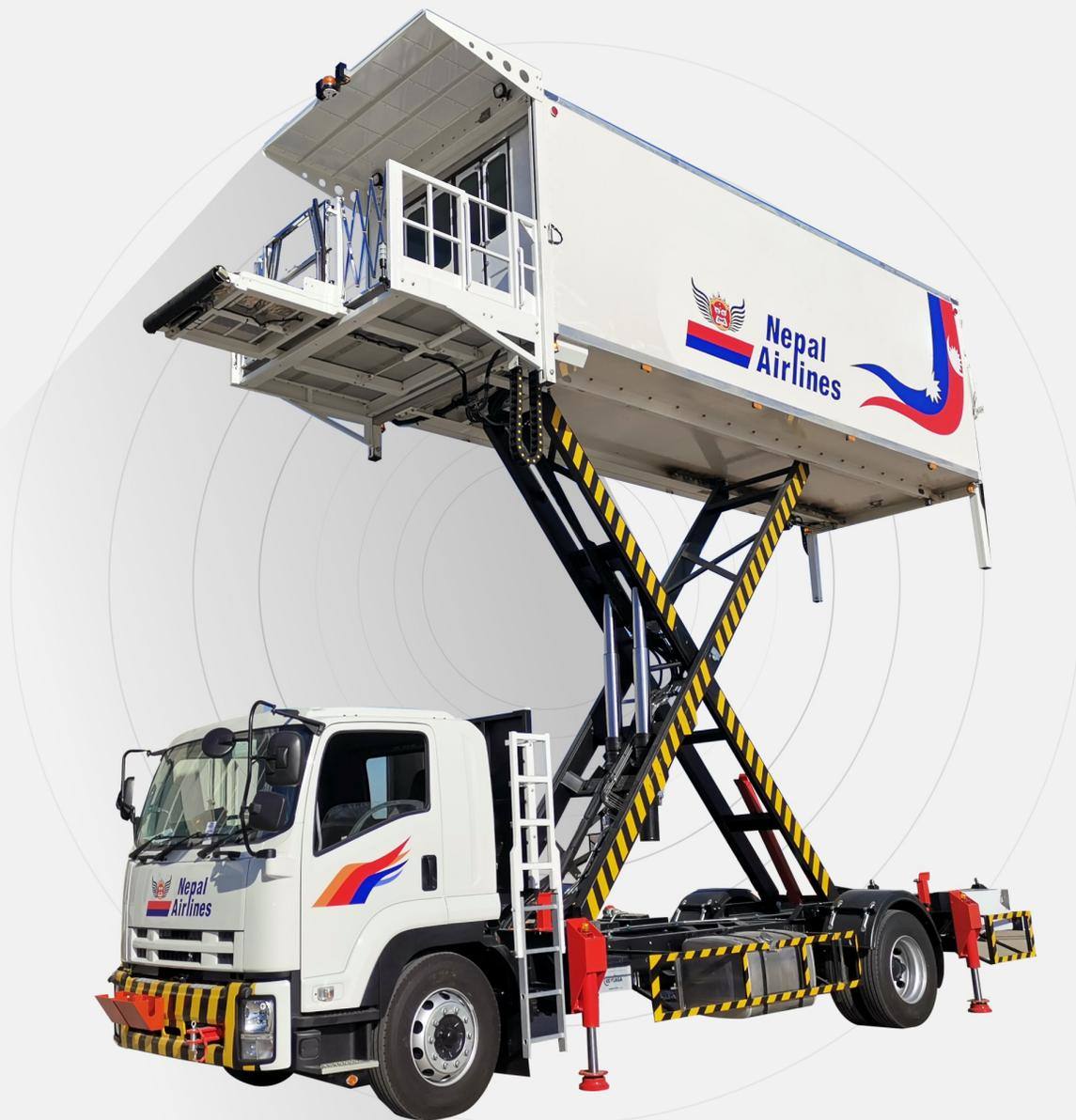
XC-6000e Type Aviation Catering Truck (Fuel Type)
Shenzhen CIMC-TianDa Airport Support Ltd.
China - Alashankou/Khorgos - Europe Full Range Transportation (Mala/Hamburg/Duisburg/Budapest, etc.)
Shenzhen Neptune Logistics Co., Ltd.


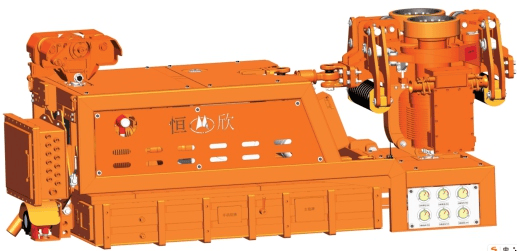
Explosion-proof lithium battery dispatching monorail crane locomotive (permanent magnet frequency conversion integrated machine)
Xiangtan Hengxin Industrial Co., Ltd.

Wheel and Track Technology Business
Beijing Research & Design Institute of Rubber Industry Co., Ltd.