GM Defense and Lockheed Martin Sign Memorandum Focusing on Industrial Capacity
en.Wedoany.com Reported - The strategic focus of the U.S. defense industry is shifting from technological superiority to industrial capacity. The memorandum of understanding signed last month between GM Defense and Lockheed Martin indicates that industrial capacity is becoming as strategically valuable as engineering capability. The core message of the agreement is that future defense projects will increasingly be constrained by factory floors rather than research laboratories.
This shift reflects a deep transformation in Western manufacturing. The need for governments to replenish weapons stockpiles and address geopolitical uncertainties is driving attention from procurement budgets to production systems, supplier capabilities, and manufacturing resilience. Discussions are no longer limited to design capabilities but are centered on construction speed, scale, and efficiency.
Recent conflicts have exposed a practical issue: the development of advanced weapon systems requires years of investment, but replacing depleted stockpiles is far more difficult than anticipated. According to the Financial Times, the U.S. government plans to increase missile and air defense production capacity to three to four times current levels over the next three to seven years. This goal requires not only additional funding but also an industrial system capable of sustaining high output levels. Expanding capacity is no easy task; it is constrained by multiple factors including tooling, labor supply, supplier readiness, certification procedures, and access to specialty materials. Bottlenecks downstream in the supply chain can limit the progress of an entire project, regardless of upstream final assembly capabilities.
The role of manufacturing efficiency in the defense sector differs from that in the commercial sector. Defense production typically involves lower volumes, greater demand volatility, and longer product life cycles, where optimizing flexibility often takes precedence over maximizing throughput. The current environment is forcing a reversal of these priorities.
In this context, GM Defense's involvement is particularly critical. The production disciplines accumulated by the automotive industry—process standardization, supplier integration, production planning, and continuous improvement—are attracting widespread interest from sectors such as defense. Commercial manufacturing offers experience in managing large-scale industrial complexity, rather than replacing defense-specific expertise. The agreement indicates that when a party with defense system development capabilities collaborates with one experienced in high-volume production, industrial engineering, and supplier management, future competitive advantage will increasingly depend on cross-industry integration.
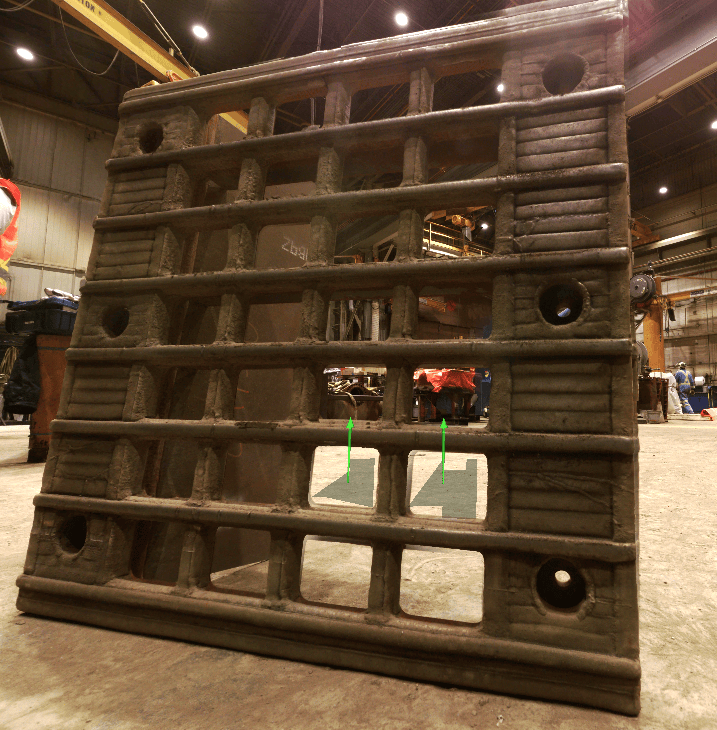
Modern defense projects rely on complex supplier networks encompassing highly engineered components such as precision castings, specialized electronics, propulsion systems, and composite materials. Many suppliers operate with narrow capacity margins, long certification cycles, and limited alternative sources. Expanding capacity requires coordinated investment across the entire manufacturing ecosystem. Practices from the automotive industry in supplier development, production visibility, and process control are being adopted by defense manufacturers to enhance resilience without sacrificing quality and traceability.
In the long term, industrial capability is becoming a strategic asset. In sectors such as defense, aerospace, energy, and semiconductors, capacity, flexibility, and production resilience have evolved from operational issues to strategic considerations. Automotive expertise is finding applications in defense, commercial digital manufacturing technologies are supporting highly regulated industries, and supply chain strategies are increasingly influencing national industrial policies. Manufacturing knowledge itself is becoming a transferable asset capable of strengthening industries facing new production demands. The defense sector is shifting from a single dimension of technological superiority to a comprehensive assessment of industrial output capacity.
Related Products


LBH4000 Batch Environmental Protection Asphalt Mixing Plant | Asphalt Batching Plant | Asphalt Mixing Plant
Jilin Province Road Construction Machinery Co., Ltd.

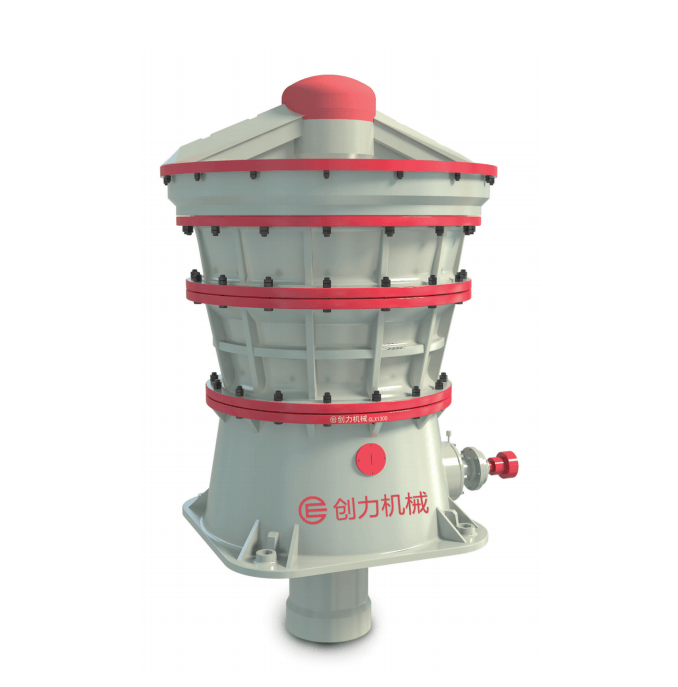
CLX Series Intelligent Hydraulic Gyratory Crusher
Guangdong CHUANGLI intelligent machinery Equipment Co., LTD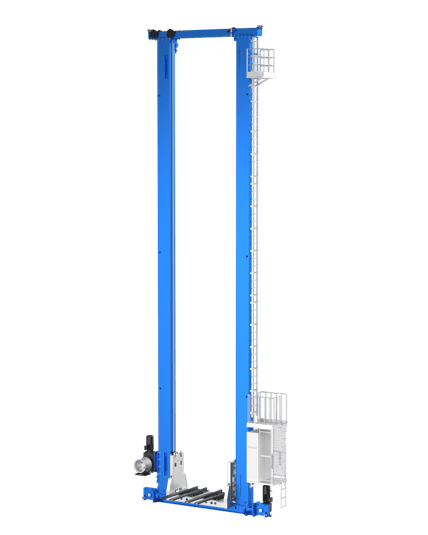
Pallet Solutions Product Line: HD3000 Double-Column Stacker Crane
Zhongding Intelligent (Wuxi) Technology Co., Ltd.

Industrial and Commercial Point-Type Gas Detector
Jinan Benan Technology Development Co., Ltd.

Pneumatic high-pressure wear-resistant ball valve
Zhejiang Deca Control Valve Meter Co., Ltd.