BMW US X5 Product Development Carbon Emissions Reduced by 40%
en.Wedoany.com Reported - The BMW Group announced that it has expanded its sustainability initiatives in the production of its upcoming fifth-generation BMW X5, reducing CO2 equivalent emissions throughout the product development process by 40% compared to the previous generation.
These emission reductions span the entire vehicle lifecycle, covering everything from raw material sourcing and manufacturing to end-of-life recycling. BMW stated that it will release a verified product carbon footprint report when the model goes on sale. To achieve its emission reduction targets, the company focuses on using renewable energy and increasing the proportion of secondary materials across all X5 drivetrain variants.
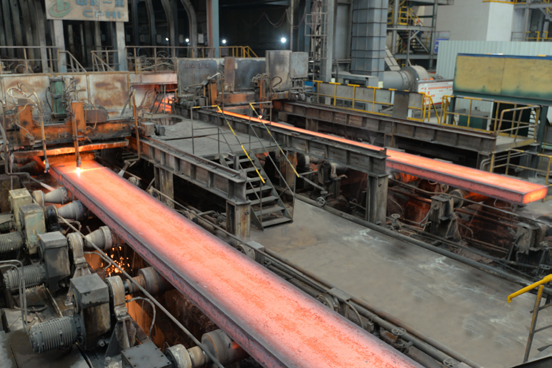
In the supply chain, approximately 50% of the flat steel used in the BMW X5 body is electric arc furnace steel, which is produced using renewable energy and contains a high proportion of recycled content. BMW says this was achieved through long-term cooperation with local North American suppliers. The all-electric BMW iX5 60 xDrive is equipped with a sixth-generation battery, with emissions per watt-hour reduced by 28% compared to the previous generation. These batteries use a higher proportion of secondary materials in the raw materials for cobalt, lithium, and nickel, and rely on renewable energy in the production of cathode and anode materials as well as battery manufacturing.
In terms of circular material application, secondary raw materials have entered heavy components that traditionally did not use recycled content. Aluminum suspension components, including rims, rotating bearings, wheel carriers, rear axle supports, and brake calipers, use renewable energy during electrolysis and production. The aluminum used in the new X5 doors contains 35% recycled and closed-loop materials, sourced directly from scrap at BMW's Spartanburg plant stamping shop. The yarn used for the headliner fabric is entirely based on 100% recycled PET. In the all-electric iX5 60 xDrive, secondary raw materials account for approximately one-third of the total vehicle weight, equivalent to about 940 kilograms.
In plant operations, the X5 is assembled at BMW's largest production facility, Plant Spartanburg in South Carolina. All external electricity used for production at this plant comes from renewable energy. From 2006 to 2025, energy consumption per vehicle at Plant Spartanburg decreased by 66%, while waste sent to landfills during the same period was reduced by 88%. The newly built high-voltage battery assembly plant in Woodruff, South Carolina, directly connected to Plant Spartanburg, operates without the need for fossil fuels under normal conditions, producing battery systems for the electric variants of the X5 series.
Nicolai Martin, member of the Board of Management of BMW AG responsible for purchasing and supplier network, stated that sustainability is a key element of the company's future-oriented business model, and current global challenges are accelerating the transition to a circular economy as well as more sustainable and innovative technologies. The BMW Group, which owns the BMW, MINI, and Rolls-Royce brands, aims to achieve net-zero emissions across the entire value chain (covering supply chain, production, and vehicle use phases) by 2050 at the latest, with a short-term target of reducing CO2 equivalent emissions by at least 60 million metric tons compared to 2019 levels.
Related Products

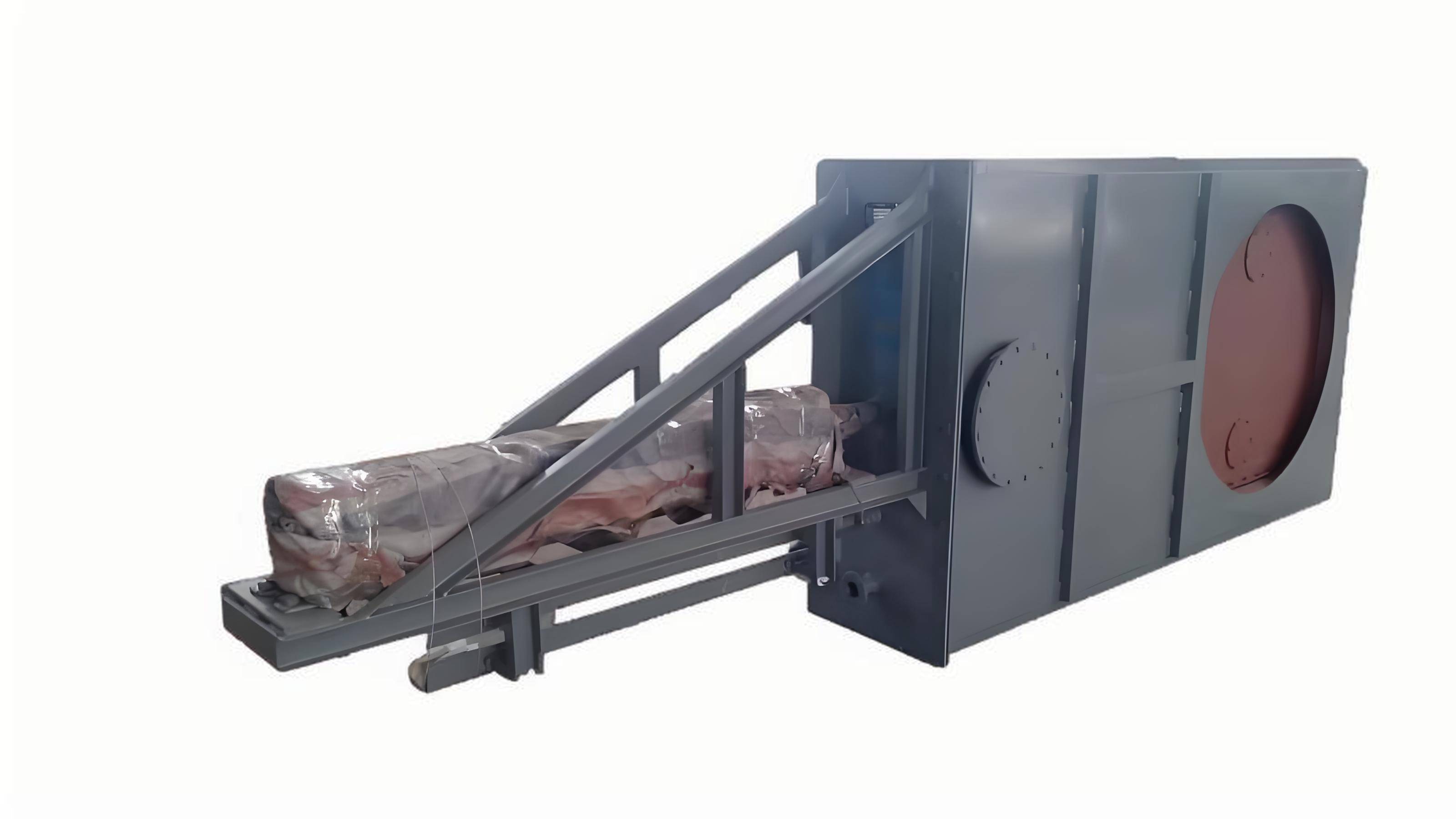
Double-slide Triple-sealed Hot Air Isolation Door
Xi'an Yingchuan Electric Power Equipment Co., Ltd.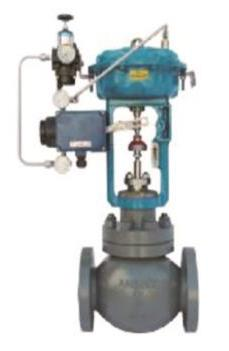
Quick-Change Single-Seat Control Valve / Quick-Change High-Pressure Single-Seat Control Valve
Beijing Consen Automation Technology Co., Ltd.
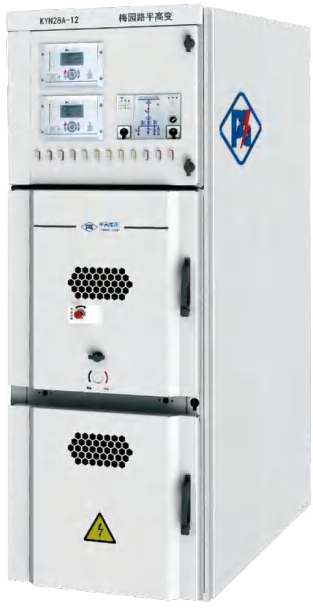
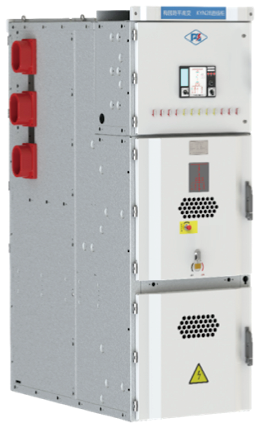
KYN28A-12 Metal Armored Removable Switchgear
Tianjin Ping Gao Intelligent Electric Co., Ltd.
Oil-immersed Amorphous Alloy Core Distribution Transformer
Pinggao Group Smart Electric Co., Ltd.