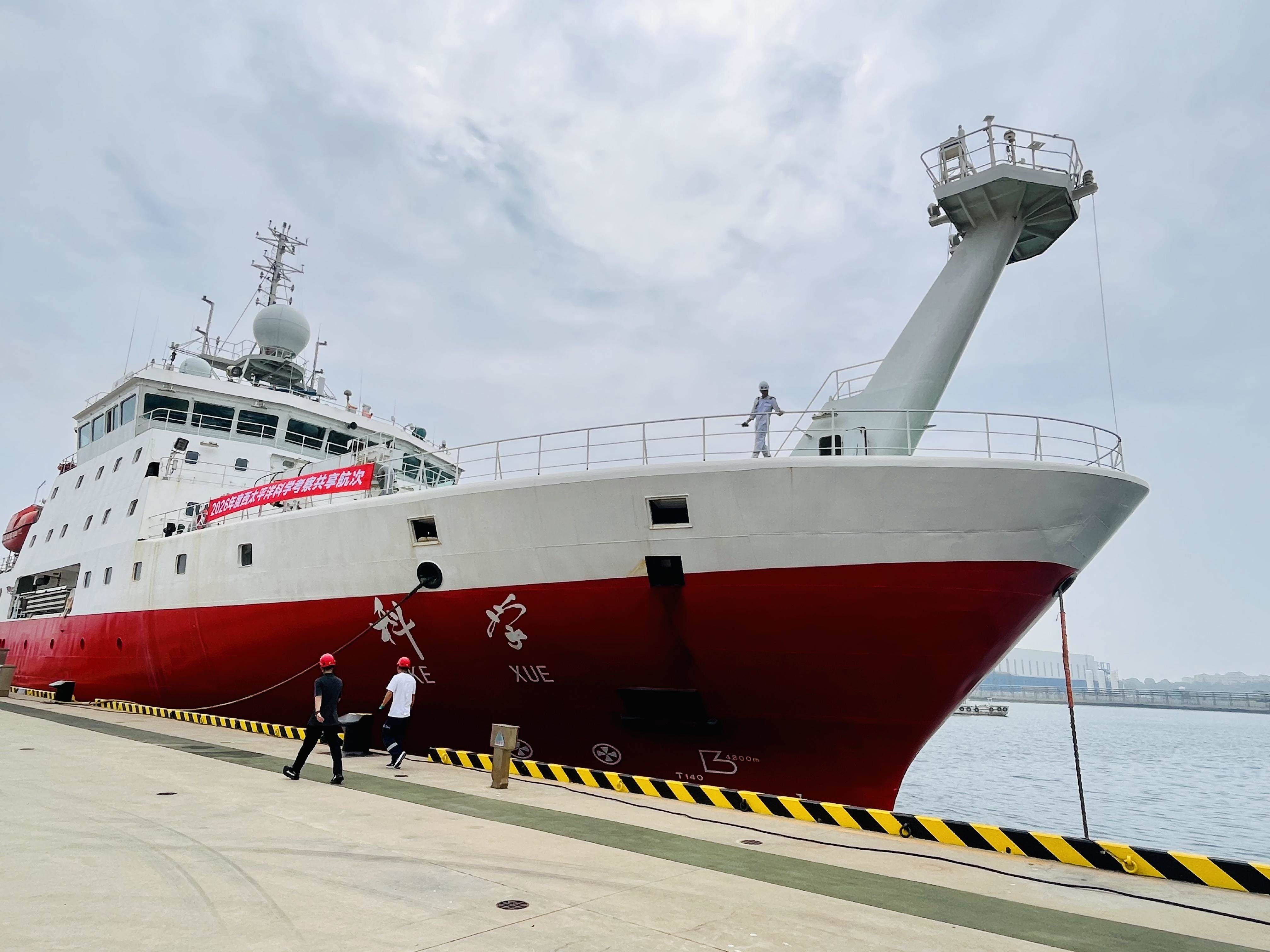
China's Research Vessel "Kexue" Embarks on 15th Western Pacific Scientific Expedition, Building the "Langya" Precision Observation and Forecasting Coupled System
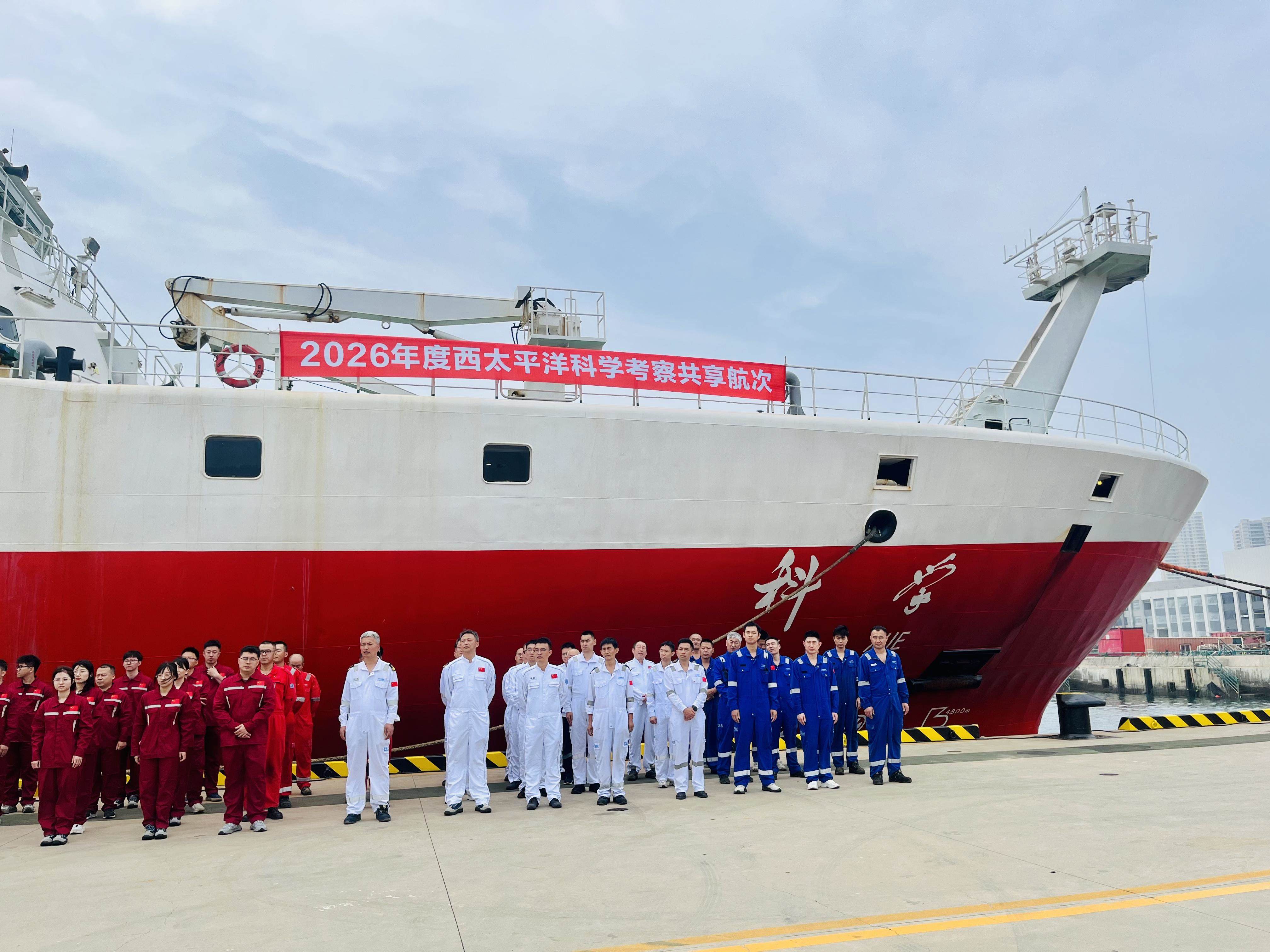
en.Wedoany.com Reported - On July 4, 2026, the comprehensive research vessel "Kexue" departed from the dock of the Institute of Oceanology, Chinese Academy of Sciences (IOCAS), to carry out the 2026 Western Pacific Scientific Expedition Shared Cruise. This cruise is scheduled to last approximately 40 days, focusing on two major scientific issues: the variability of the Western Pacific boundary currents and warm pool and their climatic and environmental effects, as well as the evolution of complex geological landforms and their resource and environmental impacts. It will simultaneously conduct multidisciplinary comprehensive observations including air-sea interaction, physical oceanography, marine ecology and biology, marine chemistry, and marine geology.
In terms of observation methods, this cruise has deployed a collaborative observation system combining "fixed-point buoys and subsurface moorings + mobile gliders + ship-based sections," expanding observation capabilities from traditional fixed sections to regional coverage, and from single-point profiles to a three-dimensional networked array. The deployed "Langya" series buoys and subsurface moorings are responsible for capturing key data such as current velocity, temperature, and salinity structures. The buoys will conduct intensive, high-frequency measurements of air-sea interface processes over the tropical Western Pacific warm pool to accurately estimate heat, momentum, and material fluxes at the air-sea interface. The subsurface moorings will focus on long-term continuous observations of the full-depth ocean dynamic processes, revealing cross-scale energy cascade processes.
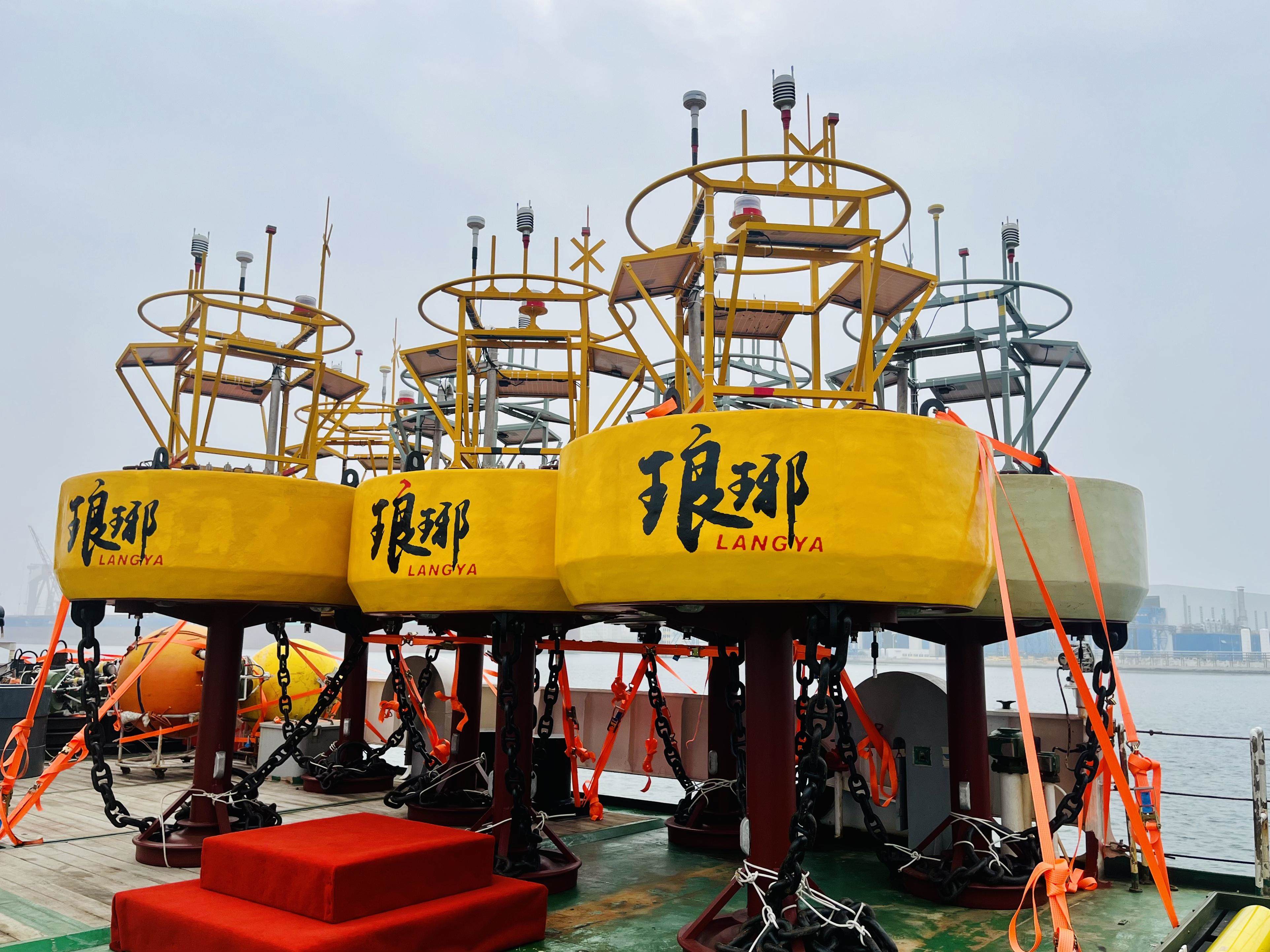
Wang Fan, Director of the Institute of Oceanology, Chinese Academy of Sciences, introduced that this cruise has established the "Langya" precision observation and forecasting coupled system. The buoys and subsurface moorings provide long-sequence, high-frequency in-situ data for training the "Langya" Artificial Intelligence large model. Through a synchronous correction method of "observing while calibrating," the aim is to build an autonomous and controllable deep-sea intelligent observation and forecasting system.
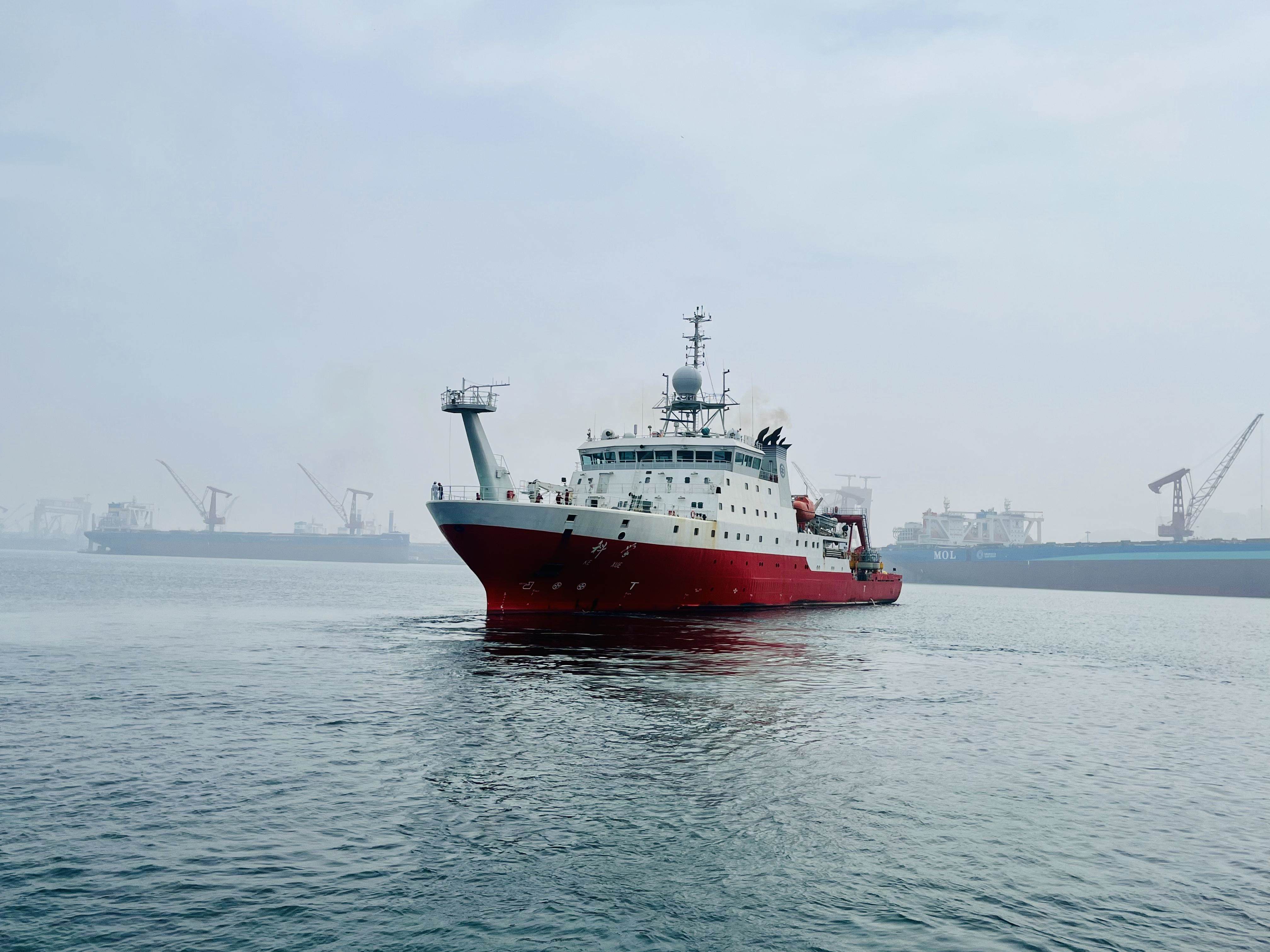
With continuous funding from the National Natural Science Foundation of China, the Institute of Oceanology, Chinese Academy of Sciences has been organizing Western Pacific scientific expeditions since 2010, and this is the 15th such cruise. The survey area has expanded from the western boundary current region to the convergence zone of the warm pool and cold tongue. The research team has completed observation tasks at over 1,100 stations, acquiring time-series observation data of multiple marine environmental elements along several key sections in the Western Pacific for up to 14 consecutive years. Based on these data, the team has gradually constructed a coupled system theory of "climate change - hydrodynamic processes - material cycles - deep structure - life evolution" for the Western Pacific, laying a theoretical foundation for addressing global climate change and exploring deep-sea resources and the environment.
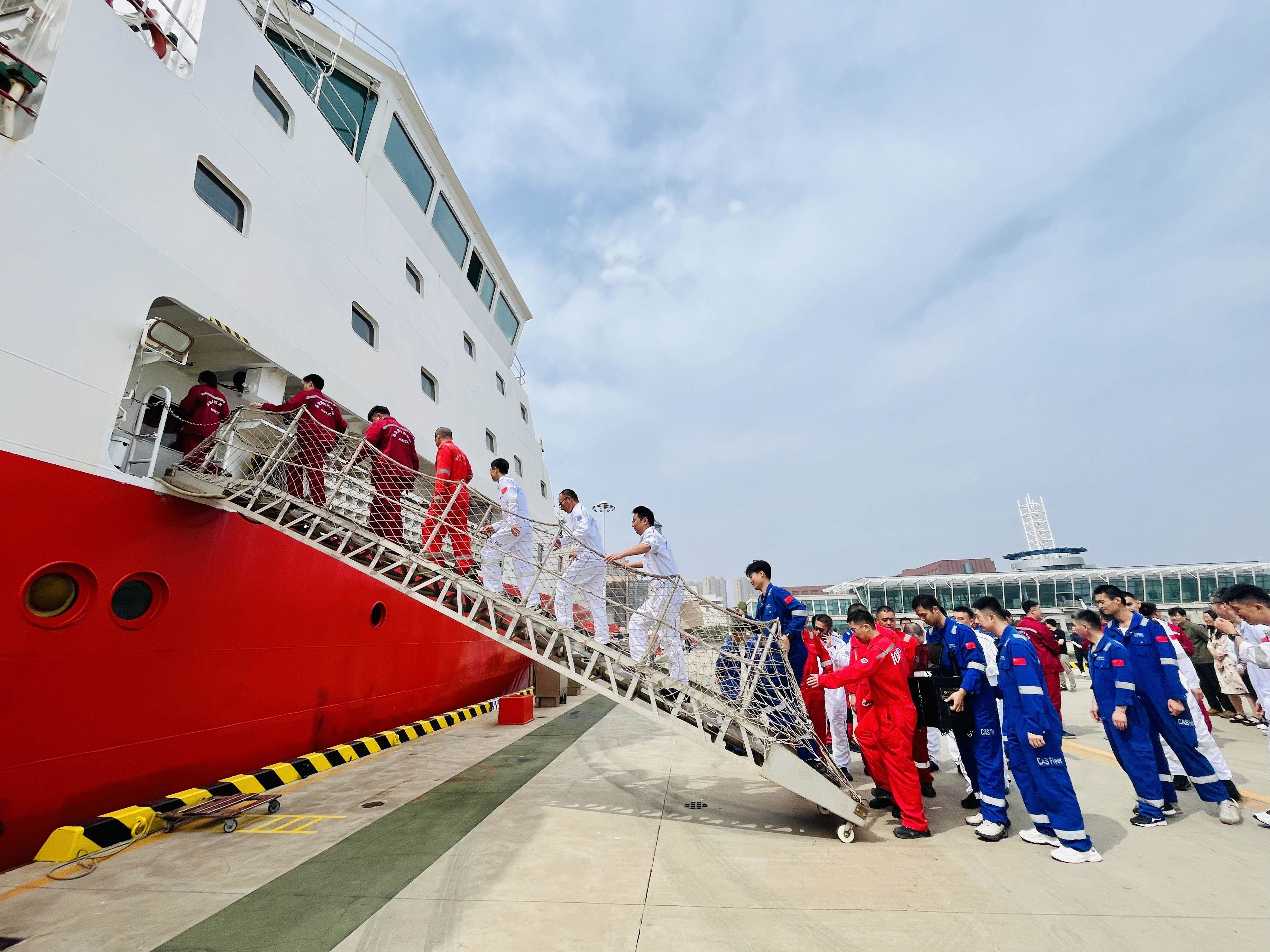
This time, the "Kexue" carries researchers from over ten institutions, including the Institute of Oceanology, Chinese Academy of Sciences, University of Chinese Academy of Sciences, Ocean University of China, Sun Yat-sen University, Xiamen University, Fuzhou University, and the First Institute of Oceanography, Ministry of Natural Resources. They will obtain a batch of in-situ observation data and physical samples.
Related Products


Mine Explosion-proof and Intrinsically Safe Industrial Ethernet Ring Network (10 Gigabit/Gigabit)
Chongqing Mas Sci&Tech Co., Ltd.





G.652.D Wavelength-extended Non-dispersion Shifted Single-mode Optical Fiber
HONGAN GROUP CO., LTD.
GYTA Type Non-Self-Supporting Aerial/Duct Optical Cable
TONGDING INTERCONNECTION INFORMATION CO., LTD.

Industrial and Commercial Point-Type Gas Detector
Jinan Benan Technology Development Co., Ltd.