Ukraine Ordered to Pay $71 Million to Company Linked to Russian Aluminum Giant
en.Wedoany.com Reported - The U.S. Treasury Department imposed a new round of sanctions on Russia in June 2026, targeting United Company Rusal International PJSC (Rusal), the world's second-largest aluminum producer. As a result, multiple international companies have terminated contracts with Rusal, and the global aluminum supply chain faces significant uncertainty.
This round of U.S. sanctions aims to further restrict Russia's revenue from metal exports. Rusal, one of the world's largest aluminum producers, accounts for approximately 6% of global aluminum supply. Following the announcement, aluminum prices on the London Metal Exchange (LME) rose sharply, intensifying market concerns over supply shortages. In 2018, the U.S. imposed sanctions on Rusal, which were lifted later that year due to global supply chain disruptions. This round of sanctions is expected to have more far-reaching impacts.
Several companies have already responded to the sanctions. Maersk terminated its contracts with Rusal; Rio Tinto announced it would invoke force majeure clauses to end some supply agreements with Rusal; and Norwegian shipping company Torvald Klaveness noted significant changes in the market. Shipping analysts point out that the uncertainty caused by the sanctions is spreading across the dry bulk market. In response, Rusal has begun reaching out to Chinese companies and traders to seek alternative markets. Analysts believe China may become the primary destination for Rusal's metals, but Chinese officials remain cautious about the risks of violating sanctions.
Rusal plays a critical role in the global supply chain, not only in primary aluminum production but also in the global trade network of raw materials such as bauxite and alumina. These sanctions could have cascading effects on aluminum-related operations worldwide, from Guinea and Jamaica to France and Ireland.
Related Products

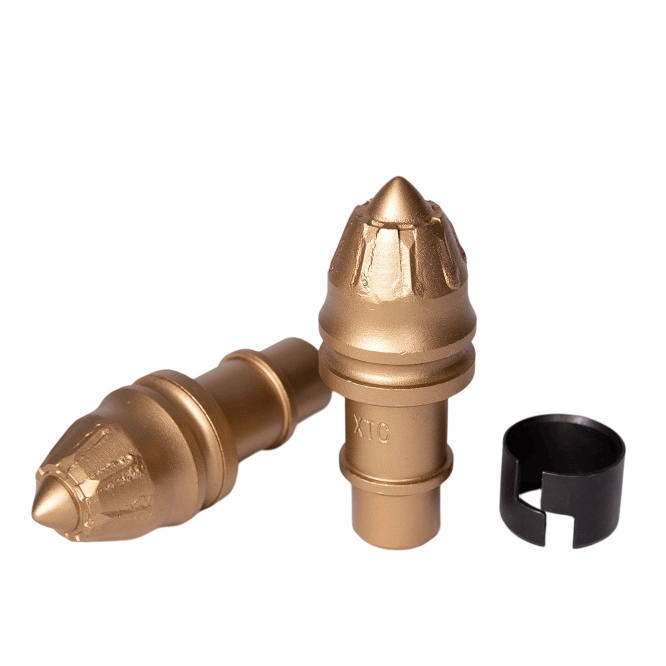

Industrial and Commercial Point-Type Gas Detector
Jinan Benan Technology Development Co., Ltd.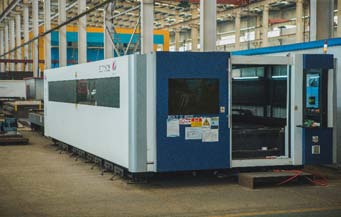
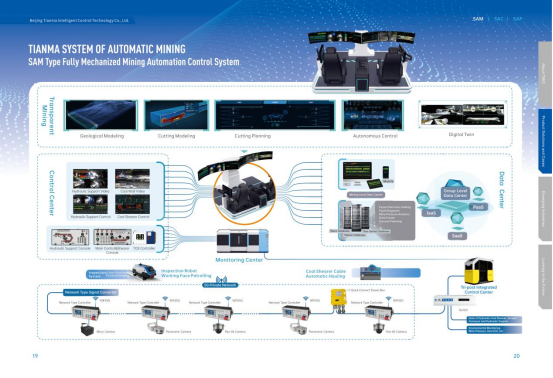
Comprehensive Mining Automation Control System
Beijing Tianma Intelligent Control Technology Co., Ltd.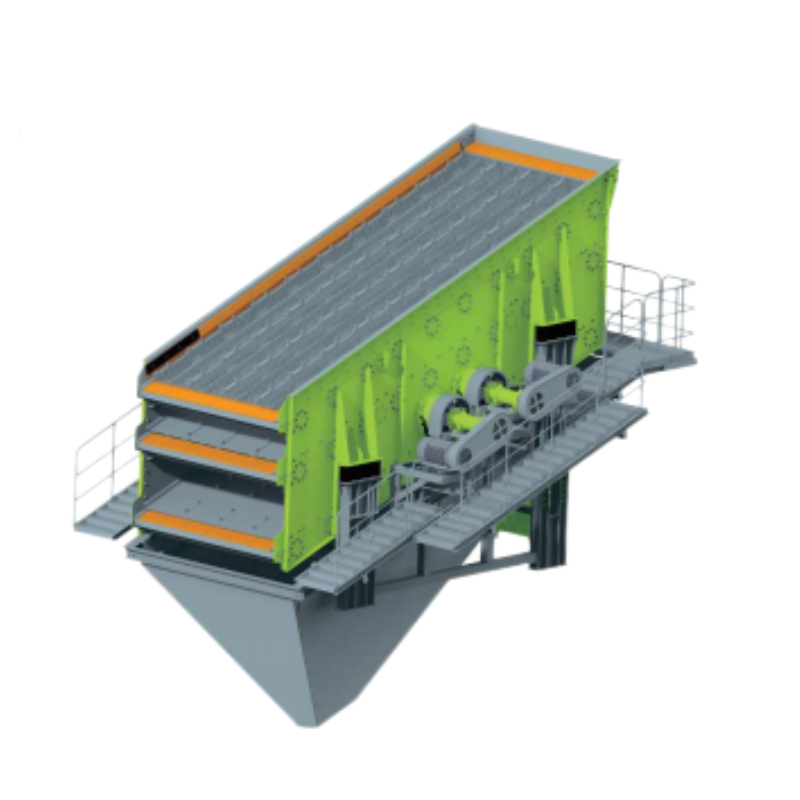
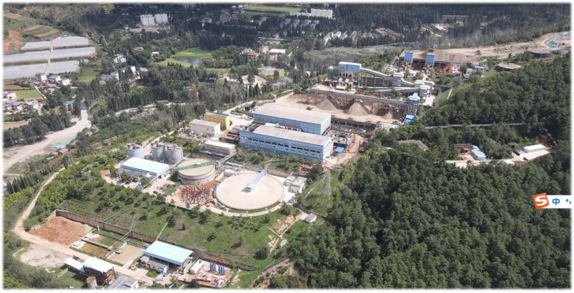
Yunnan Phosphorus Chemical Group Co., Ltd. 2 Million t/a Phosphorus Ore Mining and Beneficiation Project
China Bluestar Lehigh Engineering Corporation