Saudi Ministry of Communications and Information Technology Launches National AI and Cloud Computing Roadshow
en.Wedoany.com Reported - The Saudi Ministry of Communications and Information Technology (MCIT), in partnership with industry stakeholders, has launched a nationwide roadshow on artificial intelligence and cloud computing, aimed at enhancing digital skills and promoting technology adoption. This initiative is part of Saudi Arabia's national strategy to expand sovereign computing capabilities, build hyperscale cloud infrastructure, and accelerate workforce modernization for both the public and private sectors. As global competition for computing power intensifies and regional demand for AI services grows, Saudi Arabia is positioning itself as a regional digital hub.

According to UNESCO data, Saudi Arabia has committed over $18 billion to support digital infrastructure for AI, cloud computing, and large-scale data centers. The Saudi Public Investment Fund (PIF) has allocated more than $40 billion for AI-related investment projects, underscoring the Kingdom's ambition to become a core backend provider of compute-as-a-service in emerging markets. MCIT is simultaneously building a national skills system to match this large-scale infrastructure deployment.
Vendor partnerships are a key pillar of infrastructure expansion. AWS (Amazon Web Services) has committed over $5 billion to build AI-focused cloud zones in Saudi Arabia, expected to serve numerous high-performance workloads that currently cannot run at scale. Microsoft has deployed local cloud and AI environments in Saudi Arabia, offering secure, low-latency services to critical industries and government agencies. Google Cloud has established a Center of Excellence to help local organizations adopt cloud technologies and cultivate local talent. This roadshow aims to build the workforce capacity needed to fully leverage these hyperscale investments.
National digital initiatives typically require extensive capacity-building programs to succeed. Research from the World Economic Forum indicates that workforce readiness is often a key differentiator in countries' AI competitiveness. McKinsey's analysis of global digital transformation trends also emphasizes that public-sector talent development can accelerate the adoption of emerging technologies. From an infrastructure perspective, IDC reports show that regions with concentrated hyperscale expansion often see simultaneous growth in managed services, developer ecosystems, and local training capabilities—aligning with MCIT's strategy.
Saudi Arabia is working to unify a range of national platforms under the "Vision 2030" digital transformation framework, including HumAIn and ASAS AI platforms, both focused on sovereign AI and data center capabilities. These platforms aim to complement global cloud provider services by offering local infrastructure that keeps sensitive data within Saudi borders—critical for sectors such as healthcare, energy, and finance, where regulatory requirements and digital sovereignty dictate how organizations deploy AI.
MCIT has designed the roadshow for diverse enterprise audiences. Large enterprises need guidance on migrating legacy workloads to the cloud, as modern AI models rely on elastic computing power. Small and medium-sized enterprises require practical roadmaps for responsible AI adoption. Government agencies, central to the modernization under "Vision 2030," need clear security deployment frameworks. Frameworks such as the NIST AI Risk Management Framework provide governance baselines for critical industry needs and are actively integrated into these training programs.
The roadshow's nationwide structure aims to accelerate digital adoption beyond major cities. Saudi Arabia emphasizes spreading digital opportunities across regions, designing the event as a series of conferences rather than a single flagship event. Regional engagement highlights localized challenges such as skill gaps, network capacity limitations, or limited specialized training opportunities—addressing these infrastructure and talent issues requires sustained on-the-ground participation.
Sovereign computing is a primary driver of these initiatives. As global demand for AI training and inference grows, countries are securing their own processing capabilities. Saudi Arabia's investments align with this trend, and the roadshow ensures domestic organizations are ready to utilize the infrastructure being built. By positioning itself as a regional digital hub, Saudi Arabia uses promotional activities to translate large-scale infrastructure projects into tangible enterprise value.
The initiative is expected to foster collaboration among hyperscale providers, local tech companies, universities, and training institutions. Localized training needs may spur the creation of more specialized AI training centers and encourage organizations to align their transformation roadmaps with national platforms.
By prioritizing skills development alongside infrastructure investment, MCIT emphasizes that physical capacity requires a qualified workforce. This roadshow demonstrates how Saudi Arabia integrates national strategy, global partnerships, and local capacity building into a cohesive modernization movement. The scale of Saudi Arabia's combined public and private investment provides a significant test case for state-driven technological transformation.
Related Products


GYTA Type Non-Self-Supporting Aerial/Duct Optical Cable
TONGDING INTERCONNECTION INFORMATION CO., LTD.

Flat Portable Satellite Terminal 0.35m Aperture Manual Portable Terminal
China Starwin Science & Technology Co., Ltd.
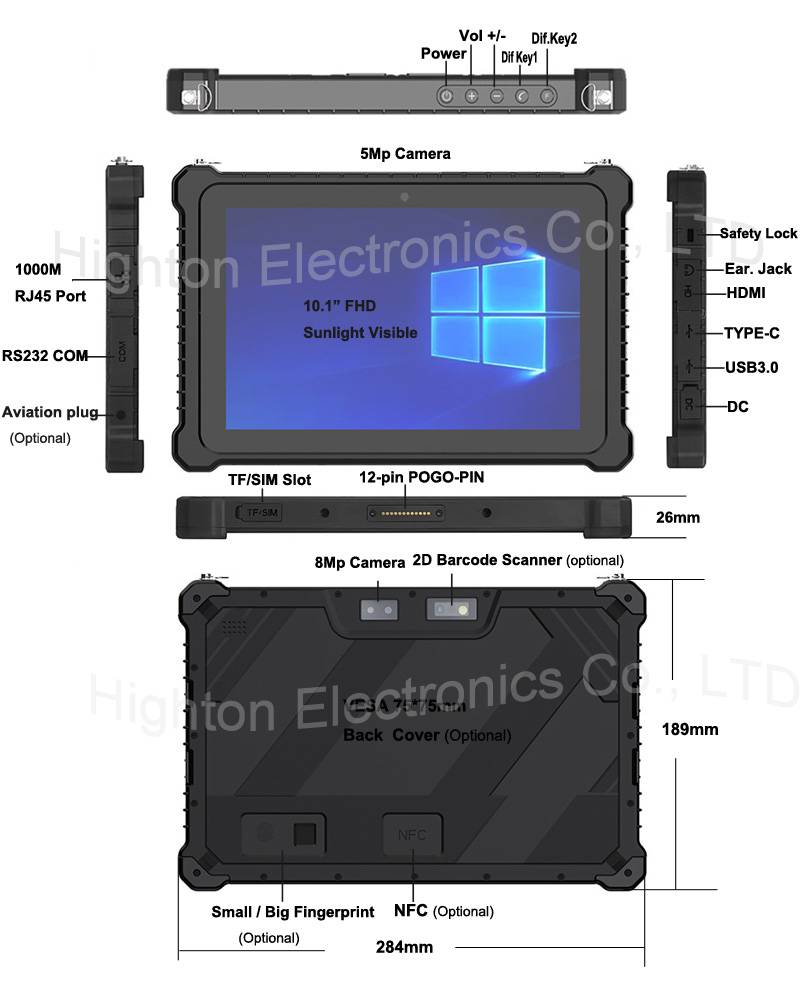
Hot Selling 10 Inch Intel N5100 I5 I7 FHD 8 +128GB 16+256GB Win10 Pro Win11 Pro 4G 5G Rugged Tablet PC Pad with NFC Barcode
Highton Electronics Co., Ltd.
Multi-function Marine Monitoring Low-altitude Detection Radar Sea-air Boundary Ocean Dynamic Environment Measurement
Chengdu Dixin Technology Co., Ltd.


Conveyor Belt Intelligent Monitoring System
LUO YANG WIRE ROPE INSPECTION TECHNOLOGY CO., LTD.