Fraunhofer IAP Develops Microcapsule Adhesive Technology
en.Wedoany.com Reported - Germany's Fraunhofer Institute for Applied Polymer Research IAP has developed a microcapsule adhesive technology that encapsulates two-component adhesive components in microcapsules, triggering the bonding reaction through pressure application without requiring additional curing steps.
Adhesive bonding technology enables component joining over large areas, combines different materials, and promotes lightweight construction. However, in industrial practice, adhesive application typically involves additional process steps such as metering, coating, and curing. Direct handling of reactive adhesive components imposes higher requirements on occupational safety, process control, and operator training. The adhesive strength of traditional tapes may also vary over time due to differences in material systems, temperature, substrates, and loads.
To address these challenges, Fraunhofer IAP has developed novel microcapsules within the framework of the Fraunhofer Cluster of Excellence Programmable Materials CPM. Each capsule encapsulates one component of a two-component adhesive system, keeping the system inert while the capsules remain intact. When pressure is applied, the capsules rupture, allowing the two components to meet and crosslink, forming a strong bond at the contact surface. This process occurs at room temperature without the need for additional curing steps.
The main technical challenge lies in the encapsulation itself, as reactive two-component adhesives may interact with the chemicals used to form the capsule shell. According to Dr. Christian Neumann, a scientist at Fraunhofer IAP, precise control of capsule chemistry enables the adhesive components to remain active, achieve reliable encapsulation, be storable and processable, and selectively open under pressure. Since the adhesive is only activated during the joining step, direct contact between operators and reactive components is reduced. The researchers focus on isocyanate-free adhesive systems based on acrylates or epoxides, making the technology attractive for companies wishing to avoid isocyanate-containing formulations.
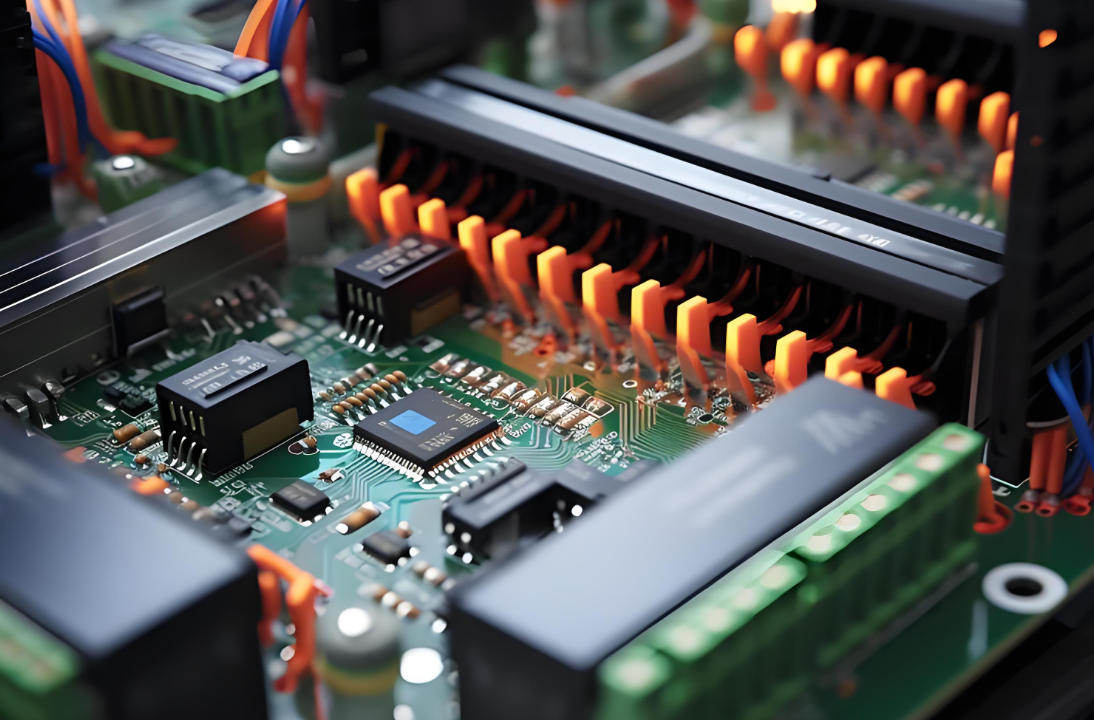
In the next development phase, the microcapsules will be applied to planar carrier materials, such as fabric substrates or fiber knits, allowing the adhesive to become a positionable interlayer material that activates only during joining. Potential applications include battery stacking in the automotive industry, mechanical engineering, electronics manufacturing, and microstructured components with fine channels, where traditional metering and coating methods are technically demanding or economically unviable. Adhesive strength is being evaluated in collaboration with the Fraunhofer Institute for Machine Tools and Forming Technology IWU. At the Fraunhofer Pilot Plant Centre for Polymer Synthesis and Processing PAZ, microcapsules can be produced at ton-scale, providing sufficient material for application-oriented testing. The institute is now seeking industrial and research partners to contribute specific components, carrier materials, or assembly processes.
Related Products

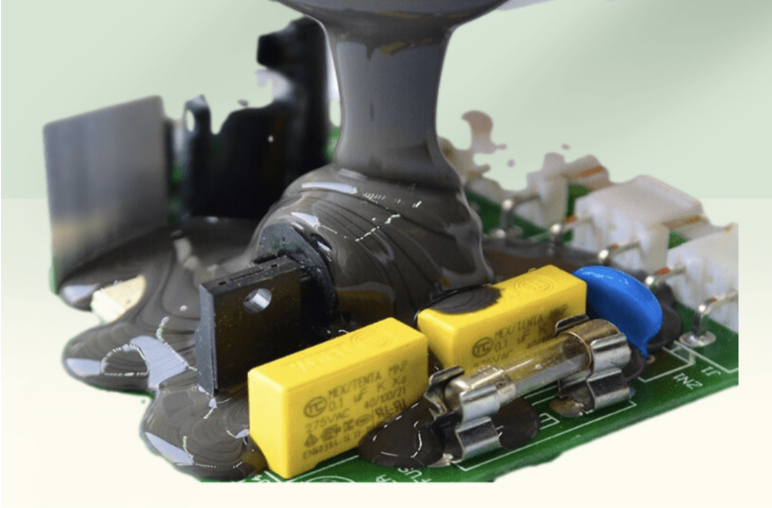
High Thermal Conductivity Encapsulating Resin
Nantong BESALL Sealing Technology Company.,Limited
Nitrogen Export, Nitrogen Manufacturer, High-purity Nitrogen Supplier
Foshan Yuexin Industrial Gas Co., Ltd.
Industrial and Commercial Point-Type Gas Detector
Jinan Benan Technology Development Co., Ltd.
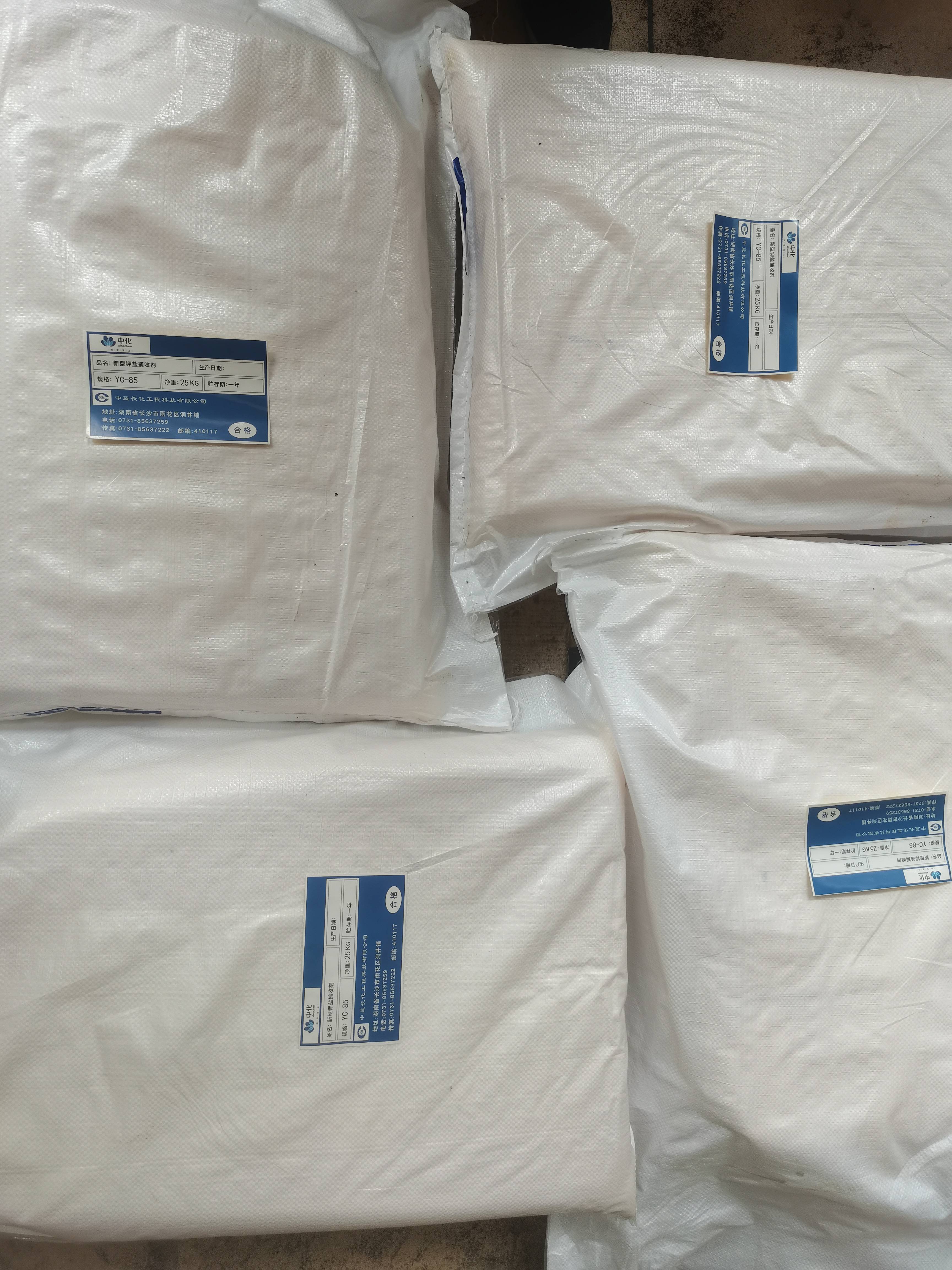
New Environmentally Friendly Green Potassium Salt Collector
Chonfar Engineering and Technology Co., Ltd.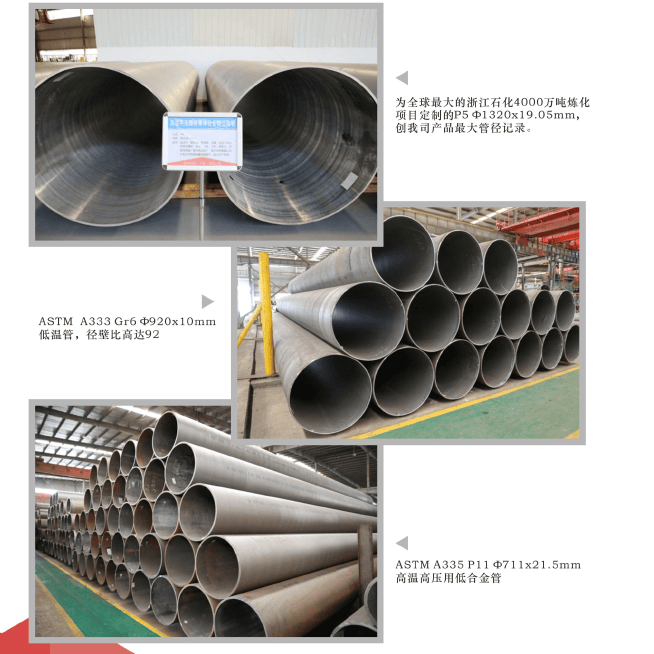

CAP1400 main feedwater flow nozzle flowmeter.
Jiangsu Hongda Instrument Technology Co., LTD.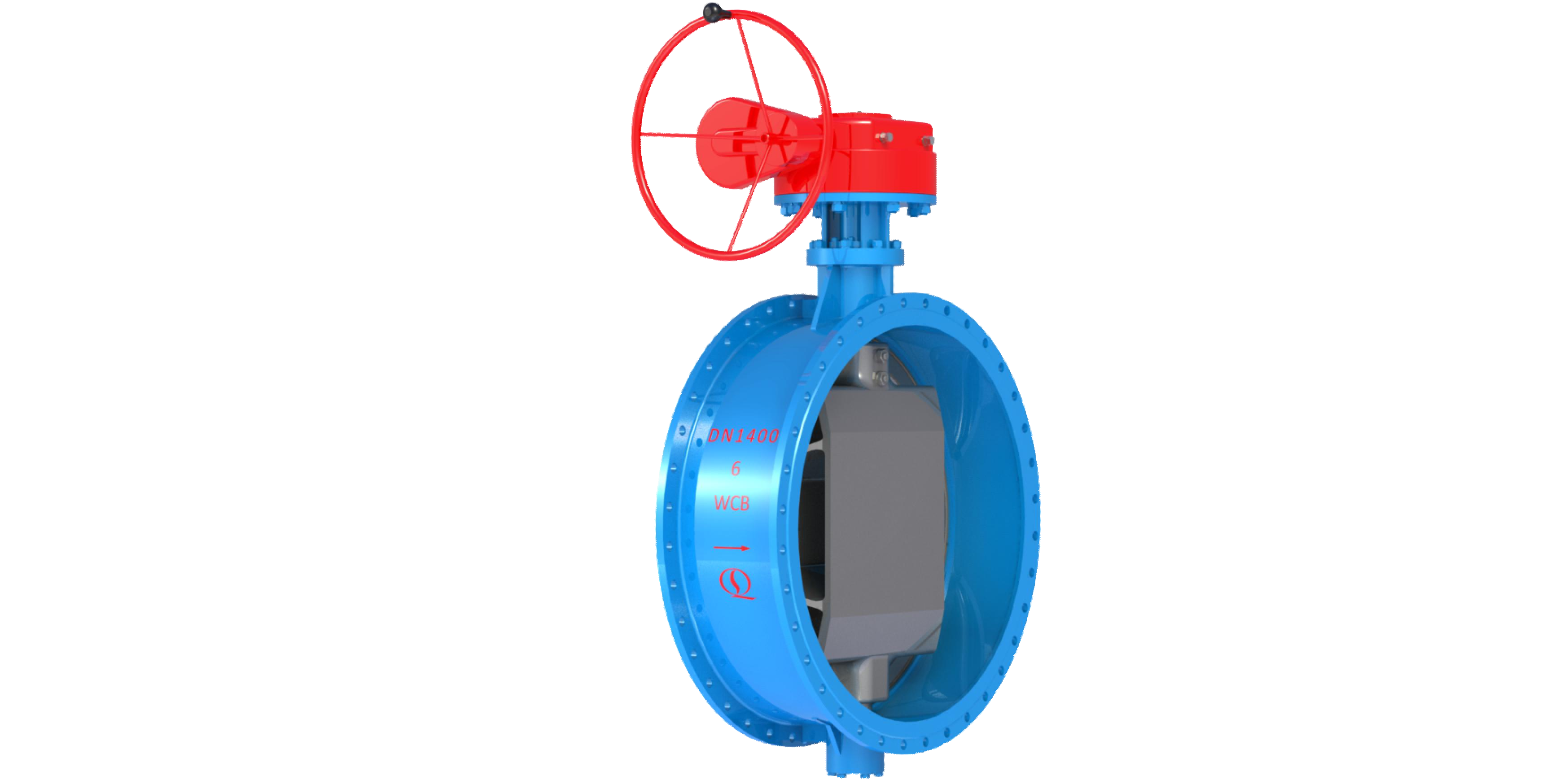
Bidirectional Metal Hard Sealed Seawater Butterfly Valve
Henan Quanshun Flow Control Science & Technology Co., Ltd.