Brazilian Chamber of the Construction Industry: Industry inventory of approximately 350,000 units, new project launches down nearly 5%
en.Wedoany.com Reported - The Brazilian construction industry is facing multiple pressures from high interest rates, labor shortages, regulatory changes, and new technologies. Cristiano Gregorius, Executive Director of the Sienge Ecosystem, noted that current sales levels remain stable, but new project launches fell nearly 5% in the first quarter, leading to an increase in available property inventory to approximately 350,000 units. He believes these variables urgently need to be addressed through integrated management, which involves the adoption of artificial intelligence technology and cultural change.

According to data from the Brazilian Chamber of the Construction Industry (CBIC), industry sales increased slightly by about 4% compared to the same period last year, but new project launches fell nearly 5%. Gregorius analyzed that this is directly impacted by interest rates, capital costs, and the uncertainty entrepreneurs face when launching new projects. The current industry inventory stands at approximately 350,000 properties, equivalent to a sales cycle of nearly ten months per property. This level is not alarming but is considered high, while the historical normal inventory level ranges between six and ten months. When inventory is low, the industry accelerates new project launches, but currently, due to high capital costs, the market had previously expected interest rates to decline faster in early 2026, but the pace of decline has been slower than anticipated.
The labor shortage is another major bottleneck facing the industry. Gregorius stated that difficulties primarily arise on construction sites, but also in offices. After the pandemic, some workers shifted to more attractive jobs such as food delivery and transportation, leading to an aging workforce on construction sites, with the average age now exceeding 42. The industry needs to improve compensation models, provide better working conditions, and make career planning visible. He believes that industrialization will be one of the main solutions to the labor shortage on construction sites, as tax reform creates tax equity between traditional construction and off-site construction, potentially encouraging more workers to move to safer and more organized industrial environments.
Regarding the impact of tax reform, Gregorius pointed out that the reform creates tax equity, but certain segments will pay more taxes. Companies currently with a tax burden of about 10% may see it rise to approximately 26.5% depending on the final rate, with part of the increase being passed on to contractors. An initial adaptation period and temporary industry inflation may occur. In the medium term, the trend favors the business environment, especially for companies already operating in compliance, as the tax system helps reduce distortions and increase transparency.
In terms of mechanization levels, Gregorius believes Brazil still lags far behind other countries. The mass housing market (such as the "My House, My Life" program), oriented towards operational efficiency and low margins, has a higher degree of automation due to the scale effect of repetitive unit types. In contrast, the mid-to-high-end market has an established financial model centered around a construction period of approximately three years, where clients pay part of the property price during construction. If the construction period is shortened through high mechanization, many buyers would lack the financial capacity to keep up with the new payment schedule, thus the business model itself imposes limitations.
Regarding the application of artificial intelligence, Gregorius stated that many companies are still in the experimental phase, focusing on individual levels rather than corporate strategy. The lack of a clear application plan and structured vision is why many initiatives fail to produce tangible results. Currently, companies have begun using the technology in a more pragmatic way, with clear objectives and measurable return indicators. He cited an example of automating collection rules, where AI agents can interact with customers, propose renegotiations, issue invoices, etc., reducing processes that previously took days to just minutes. The Sienge Ecosystem has delivered dozens of AI-based features and is advancing to the agent model stage, where autonomous agents will be able to execute complete processes, thereby expanding governance, standardizing processes, and reducing reliance on informal relationships.
Gregorius believes that management integration in heavy construction is more mature than in residential construction. In vertical construction, the number of areas and processes is greater, and the lack of integration is amplified. Factors affecting the entire industry include technology adoption, regulatory changes, interest rates, and increased competition, making integration crucial—not only internal integration but also integration with the entire supply chain.
Related Products
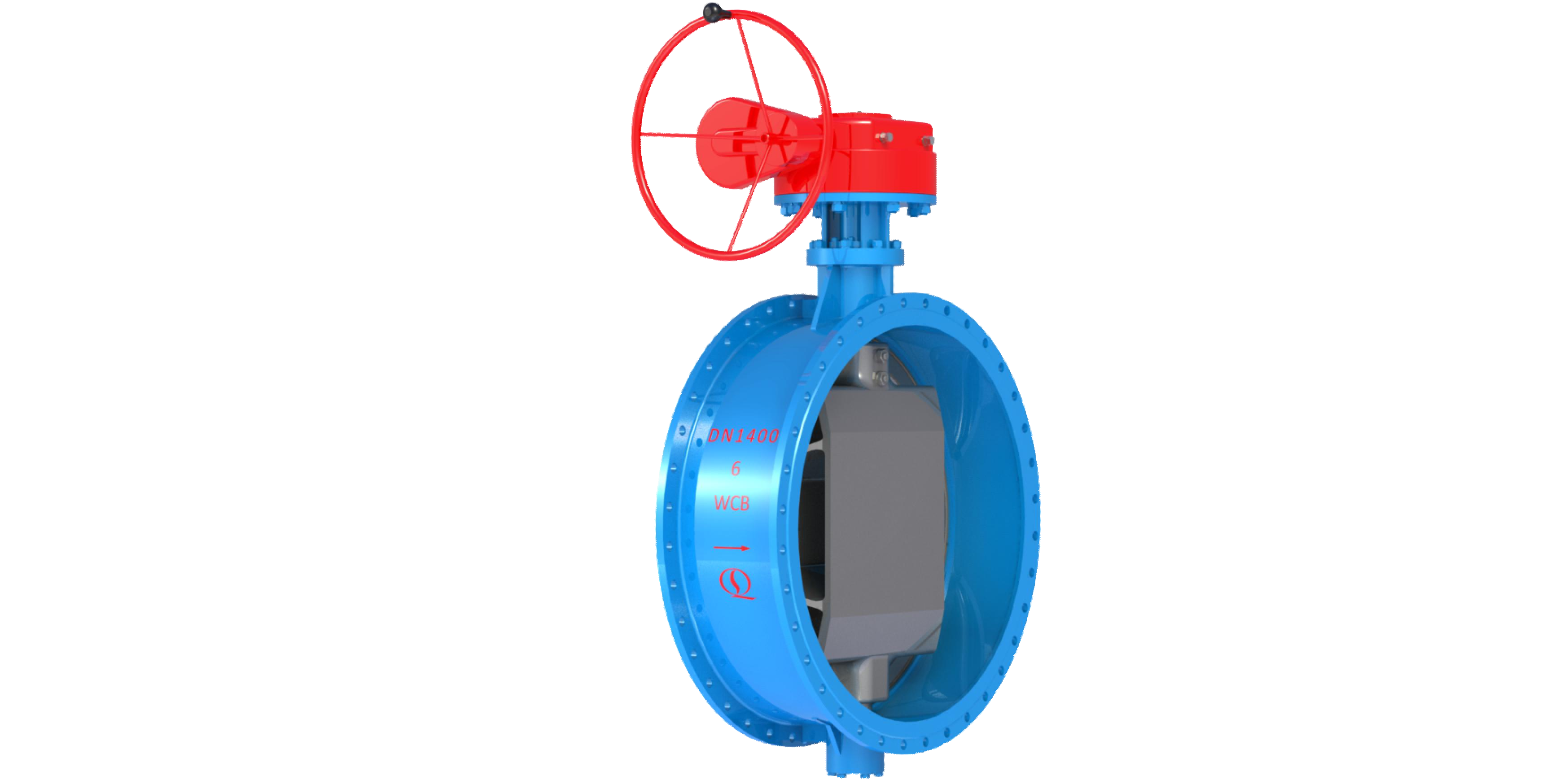

Bidirectional Metal Hard Sealed Seawater Butterfly Valve
Henan Quanshun Flow Control Science & Technology Co., Ltd.
Acoustic Mineral Fiber Ceiling Tile 595x595x12mm
Shanxi Pano Trading Co., Ltd
Ceiling light | led Ceiling Light | LED Indoor light | LED Ceiling lighting
Queendom Group Technology Co., Ltd.
Ultra-Pure Ferrite Stainless Steel Products
Gansu JISCO Group Hongxing Iron and Steel Co., Ltd.
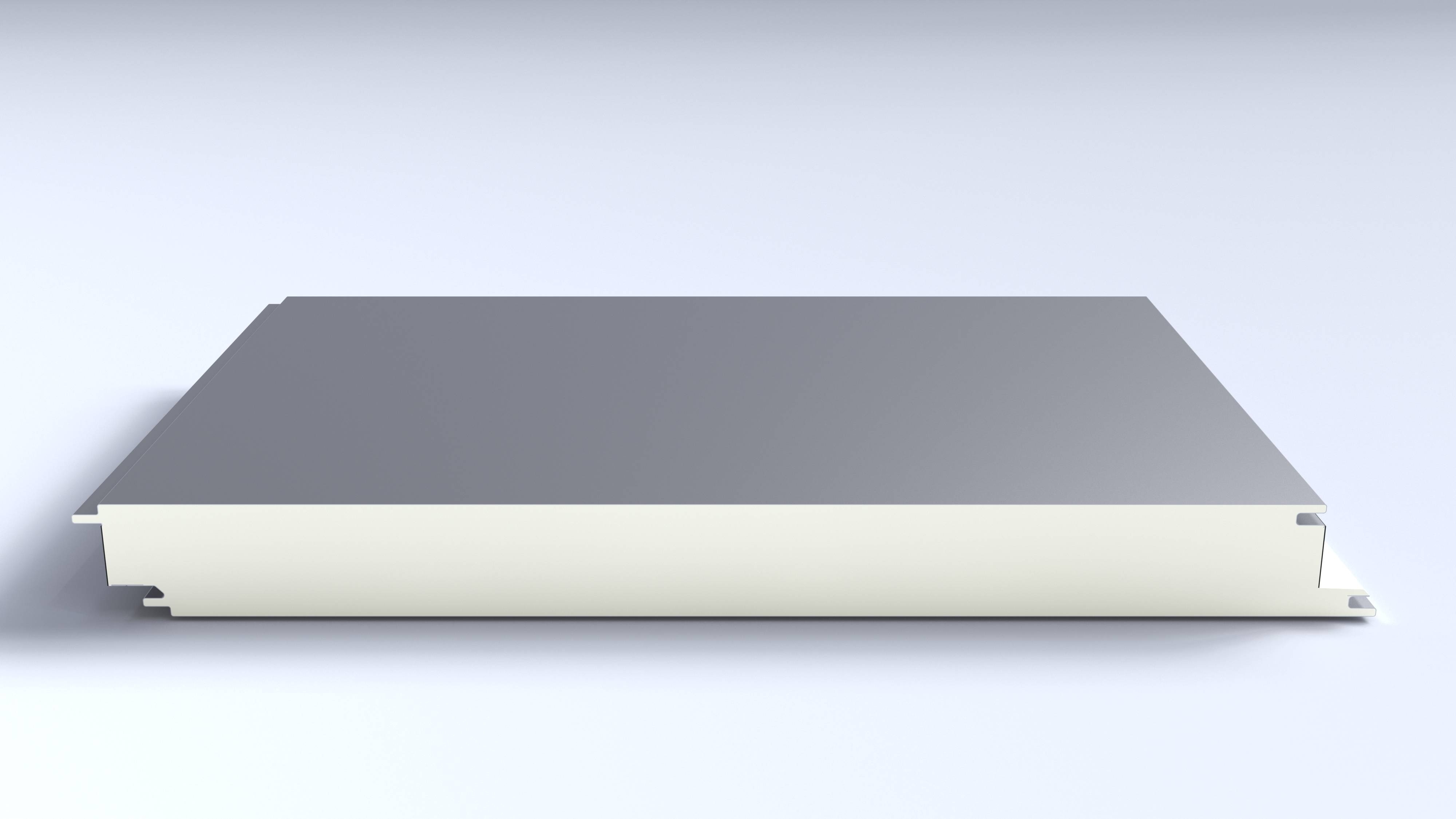
Pure Polyurethane Wall Panel BD-AEF-PIR-01
Baodu International Engineering Technology Co., Ltd.
145kV Porcelain Column Type Sulfur Hexafluoride Circuit Breaker
TBEA ZONFA Shanghai High Voltage Switchgear Co., Ltd.