Russia's 2026 Best Infrastructure Award Presented in Moscow
en.Wedoany.com Reported - The 2026 Russian National Infrastructure Award "InfraRos" ceremony was recently held in Moscow. This year's winning projects cover more than 40 organizations across multiple regions, including Moscow, Crimea, and the atomic cities under Rosatom, showcasing the core trends in Russia's current urban development and infrastructure construction. At the ceremony, over 40 institutions were recognized, with winners including DOM.RF, the Moscow City Government, Gals-Development Group, S.Holding, Orbita (in cooperation with the Alupka City Government), TechnoKRT, Rosatom's Energy Development, Solntse Moskvy, Mosgortrans, VESNA, and DBO Communications Agency.
This year's winning projects fully embody the core concept of "replacing concrete with digital." Urban construction and management are accelerating their digital transformation, with technology becoming a key tool for communication between the government and residents. The Moscow City Government won awards for seven digital service projects, becoming one of the highlights of the event. Alexander Pishchelko, head of the Moscow City "New Technology Administration," stated that this recognition confirms that digital services are becoming an effective communication tool between the city and its residents.
In the field of electric transportation infrastructure, AFK Sistema won the "Best Electric Transportation Infrastructure Project" award for its large-scale passenger electric vessel production project. The project is implemented based on its shipbuilding asset, "Empirium Group." Unlike traditional infrastructure projects, AFK Sistema issued its first green bonds in December 2025, totaling 6.5 billion rubles, to fund this initiative. The raised funds are used for the design and production of electric vessels such as the "Ekobas," "Ekokruzer," "Moskva 2.0," and "Moika 2.0," as well as the "Ekostation" docking and charging complex. Since the beginning of 2026, four vessels from the "Moskva 2.0" project series have been put into operation in Moscow, St. Petersburg, Nizhny Novgorod, and other locations. At the end of June, the first "Moika 2.0" project cruise ships were launched on sightseeing routes in Vologda. Additionally, the Perm Shipyard is building the country's first hybrid three-deck cruise ship, the "Baikal." The plan aims to build 74 electric vessels and modern docks between 2023 and 2026. Electric vessels can reduce greenhouse gas emissions by approximately 1,228.7 tons of CO2 equivalent annually.
The list of winners also includes projects from Crimea and the atomic cities under Rosatom. Among them, the joint project by Orbita and the Alupka City Government, as well as the "Energy Development" autonomous non-profit organization under Rosatom's management system, were recognized. At the ceremony, InfraRos founder Maxim Kuznetsov emphasized that modern living infrastructure is an ecosystem that determines the economic sustainability of regions and the quality of life for the population. Mikhail Viktorov, Chairman of the Russian Association for Digitalization of Construction, Housing, and Utilities, noted that infrastructure development is a key priority and fundamental condition for Russia's overall sustainable growth.
The InfraRos business competition aims to recognize companies and projects that create a comfortable urban environment and develop resident services within the framework of the Russian national project "Living Infrastructure." This year's list of winners and trends indicate that large enterprises driving innovation at the federal and regional levels provide momentum for the development of small and medium-sized businesses. Innovative practices in digital transformation, electric transportation, and urban environment improvement are shaping a new face for Russia's future urban development.
Related Products

CITIC Heavy Industries Tunneling Equipment Tunnel Engineering Shield Machine
CITIC Heavy Industries Co., Ltd.
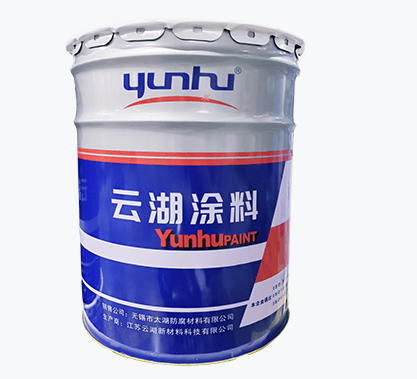
YHTank8400N Solvent-Free Liquid Epoxy Coating
JIANGSU YUNHU NEW MATERIAL TECHNOLOGY CO., LTD.
Acoustic Mineral Fiber Ceiling Tile 595x595x12mm
Shanxi Pano Trading Co., Ltd
Ultra-Pure Ferrite Stainless Steel Products
Gansu JISCO Group Hongxing Iron and Steel Co., Ltd.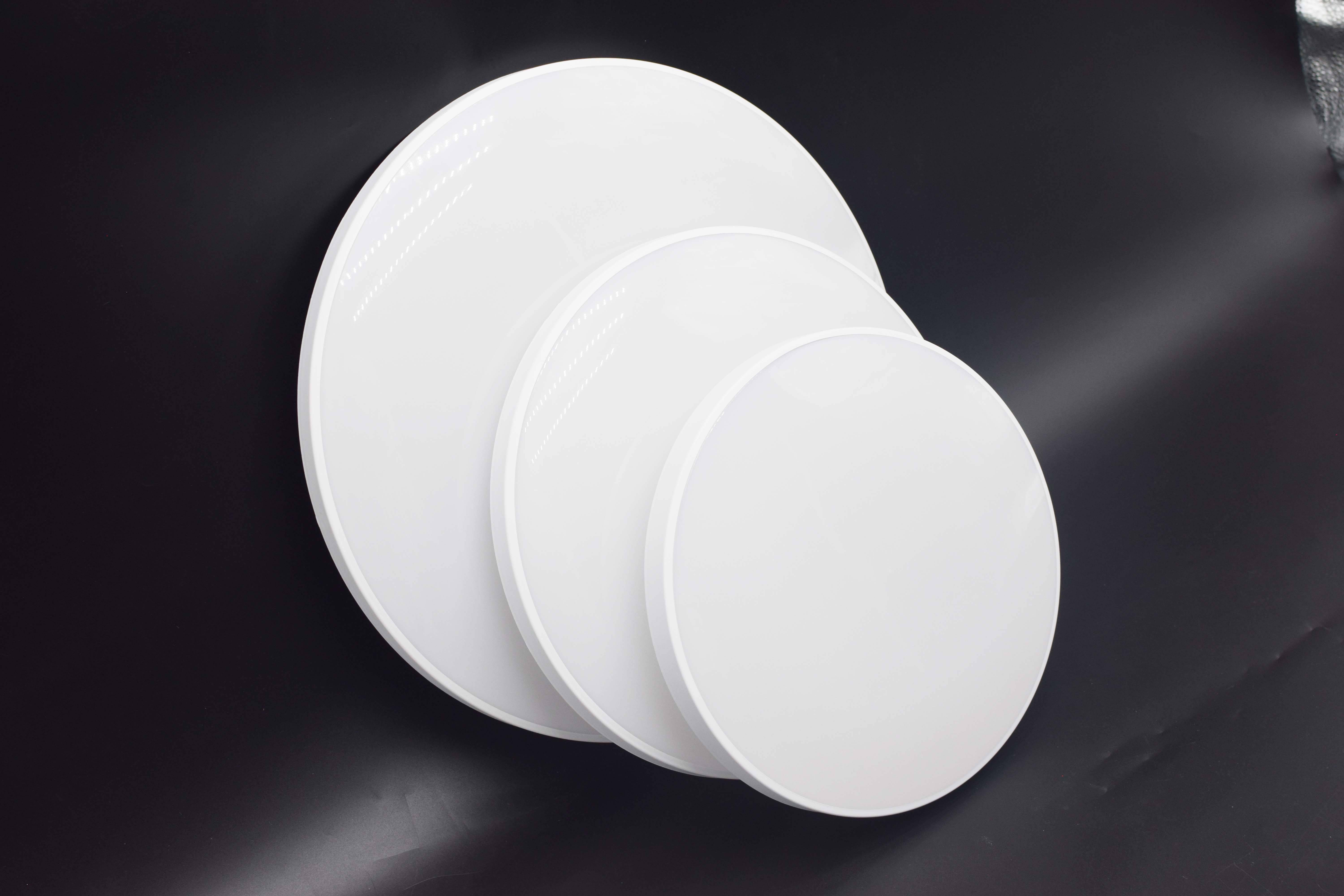
Ceiling light | led Ceiling Light | LED Indoor light | LED Ceiling lighting
Queendom Group Technology Co., Ltd.