Brazil's Claro and Vivo Connect Nearly 2,000 Medical Centers Using Fust
en.Wedoany.com Reported - Brazil's Ministry of Communications (MCom), through a program that directly utilizes resources from the Telecommunications Services Universalization Fund (Fust), has assigned the task of connecting 1,983 Basic Health Units (UBS) to 30 telecom operators, with Claro and Vivo (Telefónica's subsidiary) becoming the main leaders of the project. The initiative aims to accelerate the digitalization of the healthcare system and expand access to services such as telemedicine. It includes installing internet access infrastructure, internal WiFi networks, and providing technical support and maintenance for 24 months.
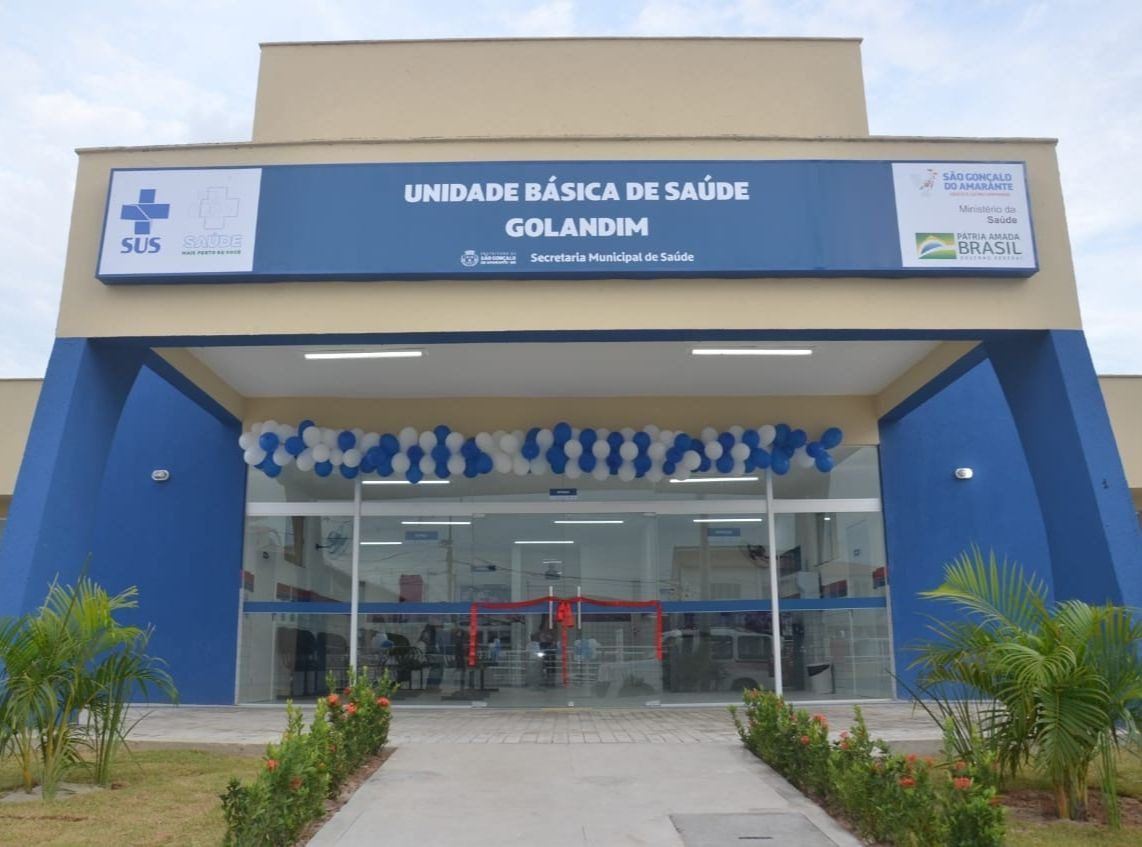
Claro secured the task of connecting over 1,300 health units in the tender, accounting for approximately two-thirds of the total project. Vivo is responsible for 471 units, TIM won contracts for 51 medical centers, and the remaining units were taken on by regional operators. This initiative is Fust's first project focused on digital health, following the mechanism's previous use in 2024 and 2025 to provide internet connectivity for public schools.
Fust's direct application model allows operators to execute government-designated projects and offset this against their mandatory contributions to the fund, with a deduction rate of up to 50%. This phase will invest 45 million reais, drawn from a total pool of 104 million reais, to cover 52% of the over 3,800 health units initially identified as priorities. According to the Ministry of Communications, competition among operators has led to a reduction in estimated costs, averaging a 14.9% savings compared to the reference values set by the government. Selected companies will have seven days to formally sign the participation agreement.
The distribution of medical centers prioritizes regions with the greatest connectivity needs. The Northeast region received 923 units, the Southeast 623 units, the North 198 units, the South 141 units, and the Midwest 98 units. In addition to large national companies, the tender process attracted regional providers such as Zaaz Provedor de Internet, DTel Telecom, Algar Telecom, Desktop Internet, and FSF Tecnologia. Some companies were disqualified due to insufficient balances in Fust or failure to contribute to the fund, a requirement of the tender.
The project stems from a diagnosis by the Ministry of Health, which found that many medical centers have limited or no internet access. The goal is to complete deployment by June 2027, strengthening the digital transformation of the Unified Health System (SUS). Minister of Communications Frederico de Siqueira Filho stated that connecting UBS means shortening distances, facilitating specialist consultations through telemedicine, and ensuring patient records are available on doctors' screens. With the new infrastructure, Brazil hopes to accelerate the adoption of electronic medical records, expand teleconsultations, and improve information exchange between healthcare services, especially in regions with limited access to specialized medical care.
Related Products



GYTA Type Non-Self-Supporting Aerial/Duct Optical Cable
TONGDING INTERCONNECTION INFORMATION CO., LTD.
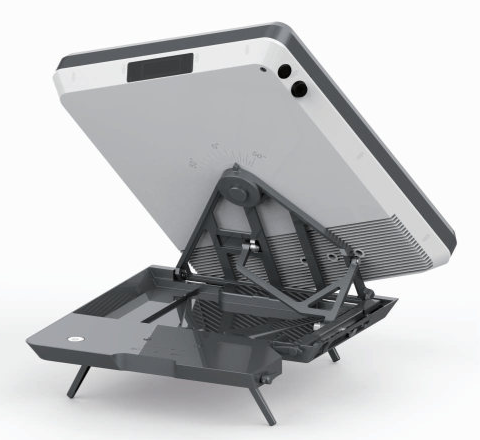
Flat Portable Satellite Terminal 0.35m Aperture Manual Portable Terminal
China Starwin Science & Technology Co., Ltd.
20 Inch 1600*900 Full HD 60Hz TFT LED Monitor with VGA and DP Interfaces for Desktop Computers-Business Use
Guangzhou Zanying Optoelectronics Technology Co., Ltd.



Comprehensive Mining Automation Control System
Beijing Tianma Intelligent Control Technology Co., Ltd.
Multi-function Marine Monitoring Low-altitude Detection Radar Sea-air Boundary Ocean Dynamic Environment Measurement
Chengdu Dixin Technology Co., Ltd.