South Korea's HD Hyundai Partners with Canada's UBC to Develop AI Autonomous Navigation and Future Naval Vessels
en.Wedoany.com Reported - South Korea's HD Hyundai Group recently signed a cooperation agreement with the University of British Columbia (UBC) in Canada, focusing on advanced digital technologies, artificial intelligence-powered autonomous navigation systems for ships, and next-generation naval vessel structures to jointly advance research.
Attending the signing ceremony were Jang Gwang-pil, Head of the Future Technology Research Institute at HD Korea Shipbuilding & Offshore Engineering; James Olson, Dean of the Faculty of Applied Science at UBC; Mark MacLachlan, Dean of the Faculty of Science; Orlando Rojas, Chief Scientific Officer of the BioProducts Institute; and Jang Young-jae, Deputy Consul General of the Consulate General of the Republic of Korea in Vancouver.
Industry analysts in South Korea noted that this move is not merely a conventional industry-academia collaboration but is seen as a key strategic maneuver by HD Hyundai Group to secure a competitive edge in the future global shipbuilding and defense markets.
Under the agreement, the two parties will conduct research and development across several cutting-edge fields, including: advanced digital and AI-assisted ship design, simulation technology based on Digital Twins, and autonomous navigation systems. The collaboration also extends to core equipment for future naval warfare, encompassing the development of next-generation destroyers, unmanned vessels, and submarines. In terms of materials, the partners plan to develop eco-friendly advanced materials for naval vessels and commercial ships to support the construction of a sustainable marine ecosystem.
Jang Gwang-pil stated that the company, leveraging its leading shipbuilding technology, has established a partnership with UBC to implement South Korea's "One Team" strategy for the defense industry. This partnership will serve as a foundation to further expand the breadth of collaboration with Canada in advanced naval vessel development.
Currently, Canada is advancing its submarine renewal program, and the demand for naval modernization is growing in the North American region. HD Hyundai Group is simultaneously pursuing technological cooperation, industrial collaboration, and government communication, aiming to enhance the international competitiveness of South Korean shipbuilders in the military and high-end naval vessel markets. It is reported that the Canadian government plans to replace its four "Victoria"-class submarines, acquired from the UK, with new submarines. The design, construction, and lifecycle maintenance project for all 12 submarines is valued at 60 trillion Korean won (approximately $45 billion USD). Construction costs alone are expected to account for one-third to one-half of the total investment, at least $15 billion USD (approximately 108 billion RMB). Currently, HD Hyundai Heavy Industries is joining forces with Hanwha Ocean to compete with several countries for overseas submarine export orders, including those from Canada and Poland.
As a top-tier public research university in Canada, UBC possesses strong research capabilities in autonomous ship navigation and digital shipbuilding. Its research primarily focuses on foundational technologies and applications such as marine robotics, AI perception algorithms, and Computational Fluid Dynamics (CFD) optimization. In the field of AI-driven autonomous ship navigation systems, the university's Marine Robotics Lab and Department of Mechanical Engineering focus on path planning, obstacle avoidance algorithms, and multi-agent collaborative control for Unmanned Surface Vehicles (USVs) based on computer vision and deep learning. In digital technology and structural optimization, they utilize High-Performance Computing (HPC) and AI surrogate models to accelerate the topological optimization of ship structures, replacing time-consuming CFD simulations with machine learning to rapidly evaluate the fluid resistance and strength of different hull structures, supporting the design of next-generation green ships. In terms of interdisciplinary collaborative platforms, the Wood Science and Civil Engineering departments have accumulated expertise in the lightweighting of composite materials, indirectly contributing to the development of new structural materials for naval vessels, with a focus on material sustainability and durability.
Related Products

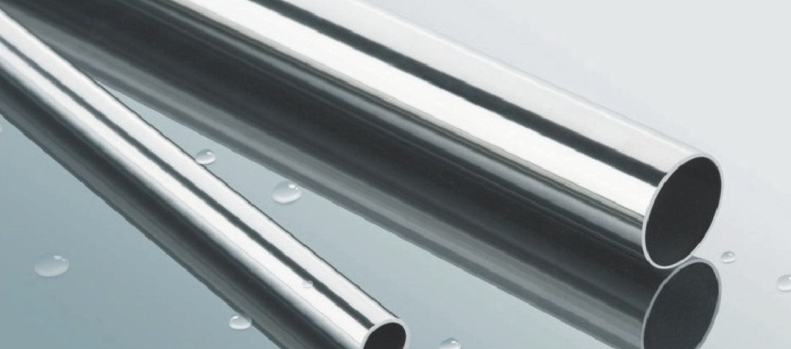
ERW Welded Pipe (Black Pipe and Hot-dip Galvanized Steel Pipe)
Handan Zhengda Steel Pipe Co., Ltd.

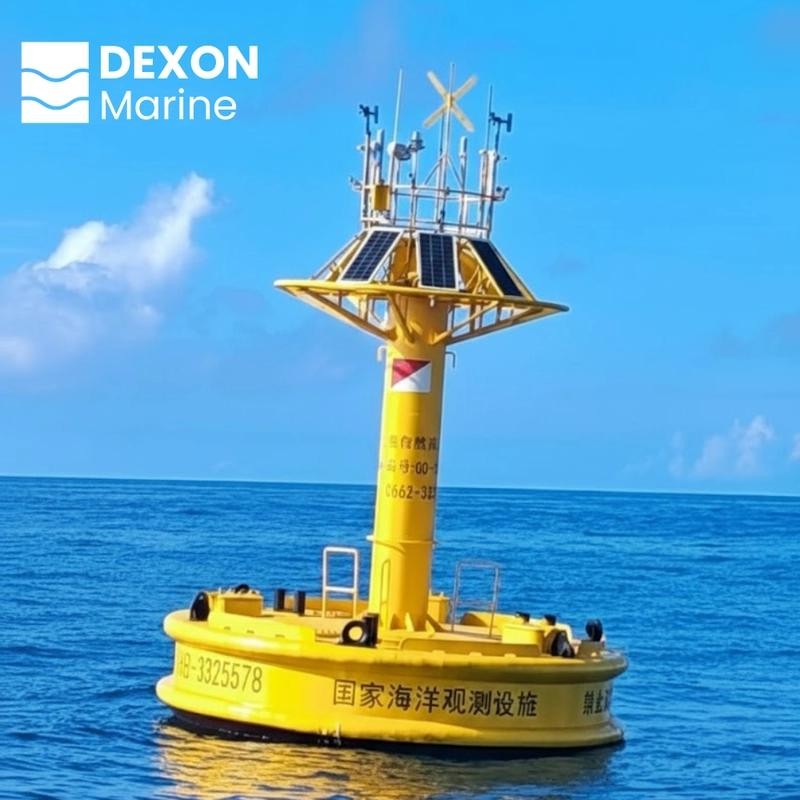
3m intelligent buoy combining navigation safety and real-time marine monitoring integrated navigation and marine monitoring system for real-time maritime data
Chengdu Dixin Technology Co., Ltd.
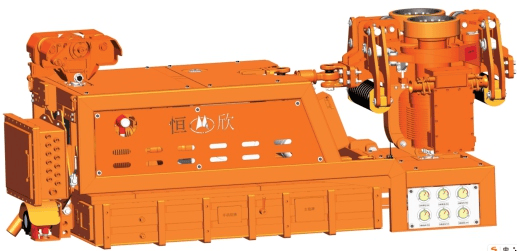
Explosion-proof lithium battery dispatching monorail crane locomotive (permanent magnet frequency conversion integrated machine)
Xiangtan Hengxin Industrial Co., Ltd.