Mexico's Auto Repair Industry Undergoes Digital Transformation, Annual Labor Value Exceeds 602 Billion Pesos
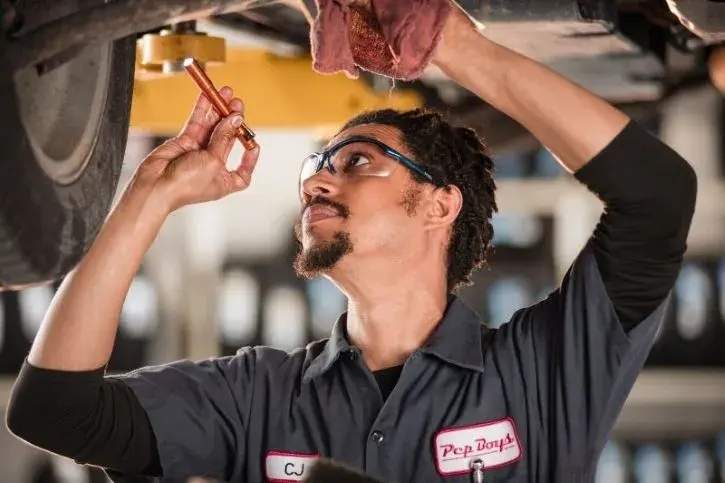
en.Wedoany.com Reported - The advancement of automotive technology is redefining the role of auto mechanics, shifting from traditional mechanical repairs to digital diagnostics. The repair methods that once relied on wrenches and experience are increasingly being replaced by scanners, digital platforms, and complex diagnostic processes.
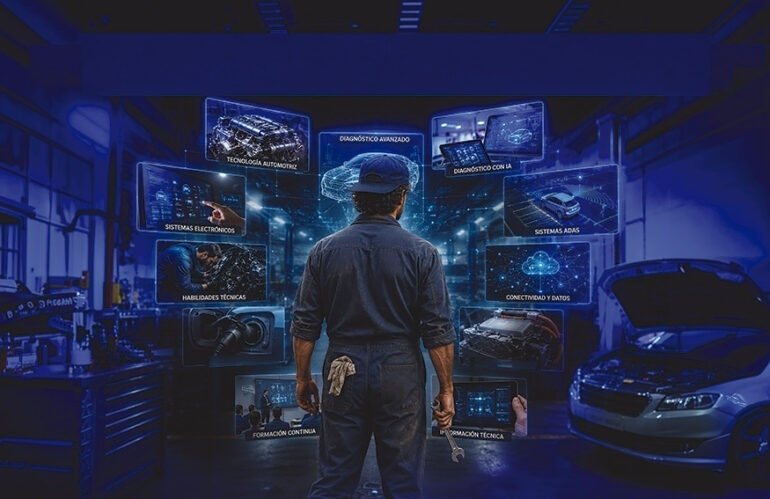
This transformation is directly reflected in the industry. Porfirio González, a mechanic in Mexico City's Industrial district with over 40 years of experience, says he excels at replacing mechanical components such as brake pads, spark plugs, or fuel injectors, but when it comes to scanners and computer checks, he relies on the next generation who are more familiar with these tools. Electronic systems are now controlling functions that were purely mechanical decades ago, and many diagnostic processes depend on data interpretation rather than visual inspection.
Beyond technological evolution, the repair industry also faces a shortage of skilled professionals. According to Isidoro Roura, National Sales Manager of asTech México, this phenomenon exists in Mexico, the United States, and Europe. He believes that new cars are more like computers on wheels. Natalia Salcedo, CEO of Pitz, points out that the solution is to promote technology to mechanics in a simple and practical way, and the adoption of new tools depends on whether they meet the actual needs of repair shops. She also notes that mechanics still face barriers in accessing technical information, especially in the Automotive Industry" target="_blank">new energy vehicle sector, where most documentation is not in Spanish.
Training is seen as key to addressing industry challenges. René Zamora Bustamante, who has been in the field for about 25 years, says some mechanics fall behind because they are unwilling to update their knowledge, and the only way to stay competitive is to take courses and learn new technologies. Víctor Manuel Cruz García, a mechanic from Zacatecas, also believes that many colleagues are afraid of facing unknown knowledge or admitting they need to learn something new, but those who invest time in training are more efficient at work. Marco Antonio García Flores, a technician with over 30 years of experience, argues that repair shops must continuously update to meet the new challenges of technological development, and tools like scanners and oscilloscopes have become assistants in modern diagnostics.
Mechanics also emphasize that experience remains indispensable. Technicians with decades of experience possess valuable practical knowledge, while the younger generation is more familiar with digital tools. This industry is undergoing an evolution, and according to data from the National Federation of Repair Shops (CNT), its annual labor value exceeds 602 billion pesos.
Related Products


Industrial and Commercial Point-Type Gas Detector
Jinan Benan Technology Development Co., Ltd.



Pneumatic high-pressure wear-resistant ball valve
Zhejiang Deca Control Valve Meter Co., Ltd.
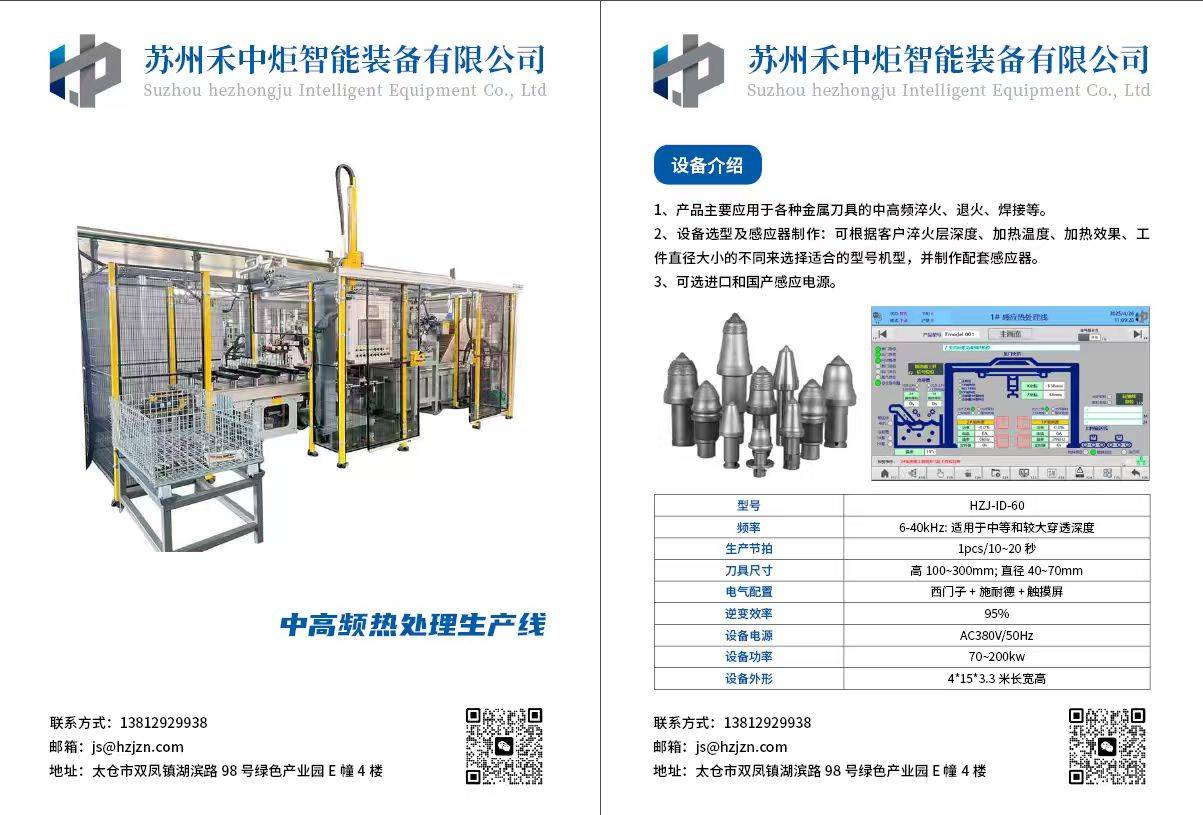
Excavator Bucket Teeth Heat Treatment Production Line
Suzhou Hezhongju Intelligent Equipment Co., Ltd.

LBH4000 Batch Environmental Protection Asphalt Mixing Plant | Asphalt Batching Plant | Asphalt Mixing Plant
Jilin Province Road Construction Machinery Co., Ltd.